Category: Medications - Page 2
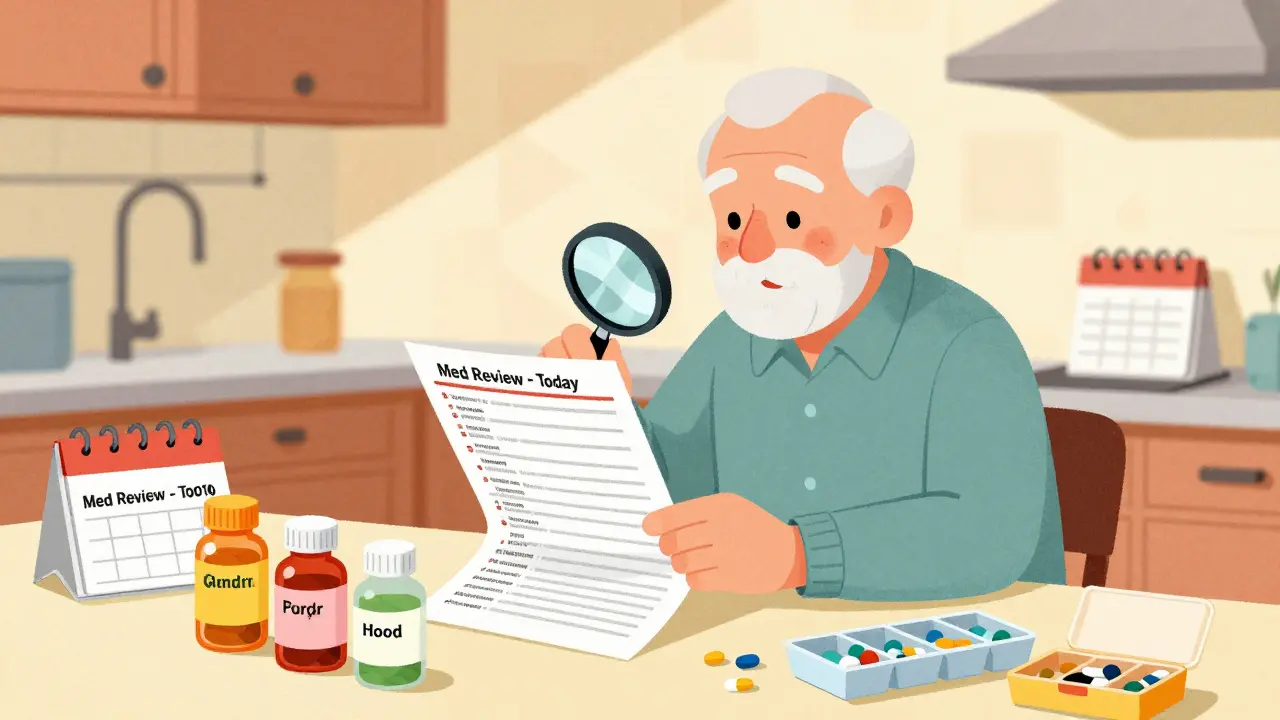
Generic Drug Safety in Older Adults: What You Need to Know
Generic drugs are safe for older adults-but only if used correctly. Learn how aging affects drug metabolism, why polypharmacy is dangerous, and which medications to watch out for-even if they're generic.
Read More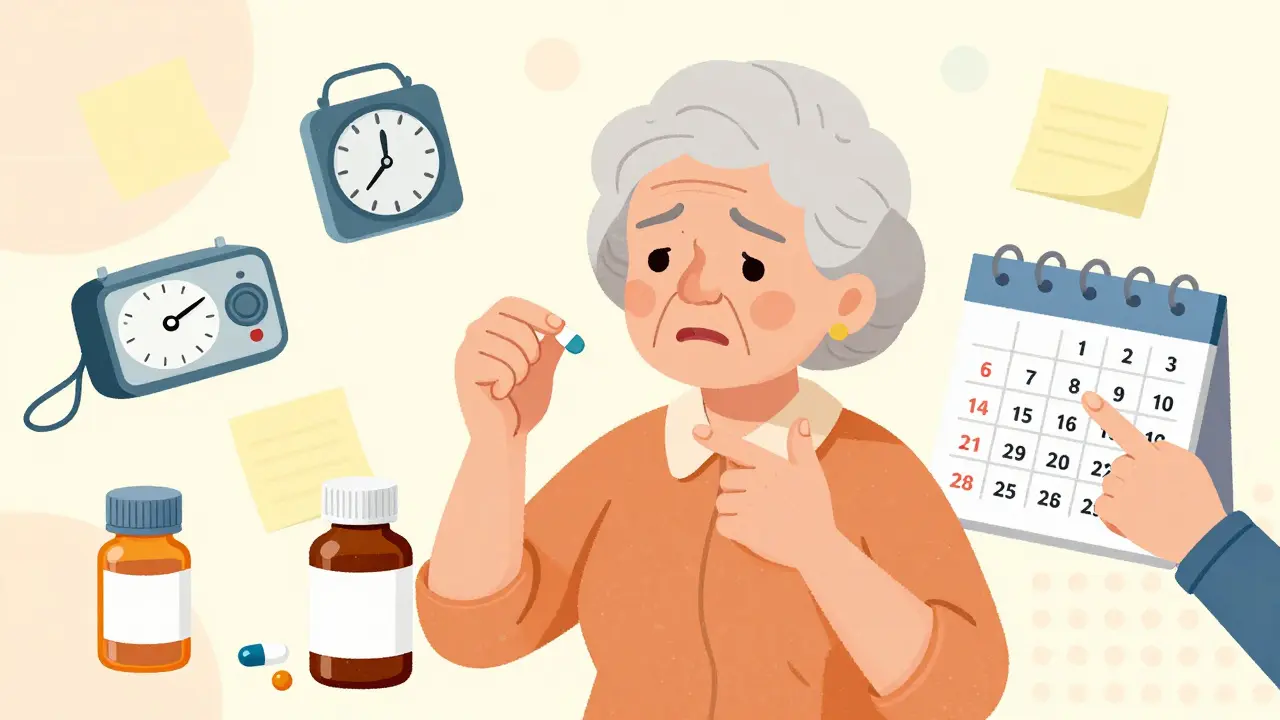
Why Patients Skip or Forget Medications: Common Barriers to Adherence
Half of all patients skip or forget their medications-not because they don’t care, but because the system makes it too hard. Learn the real reasons behind nonadherence and what actually helps.
Read More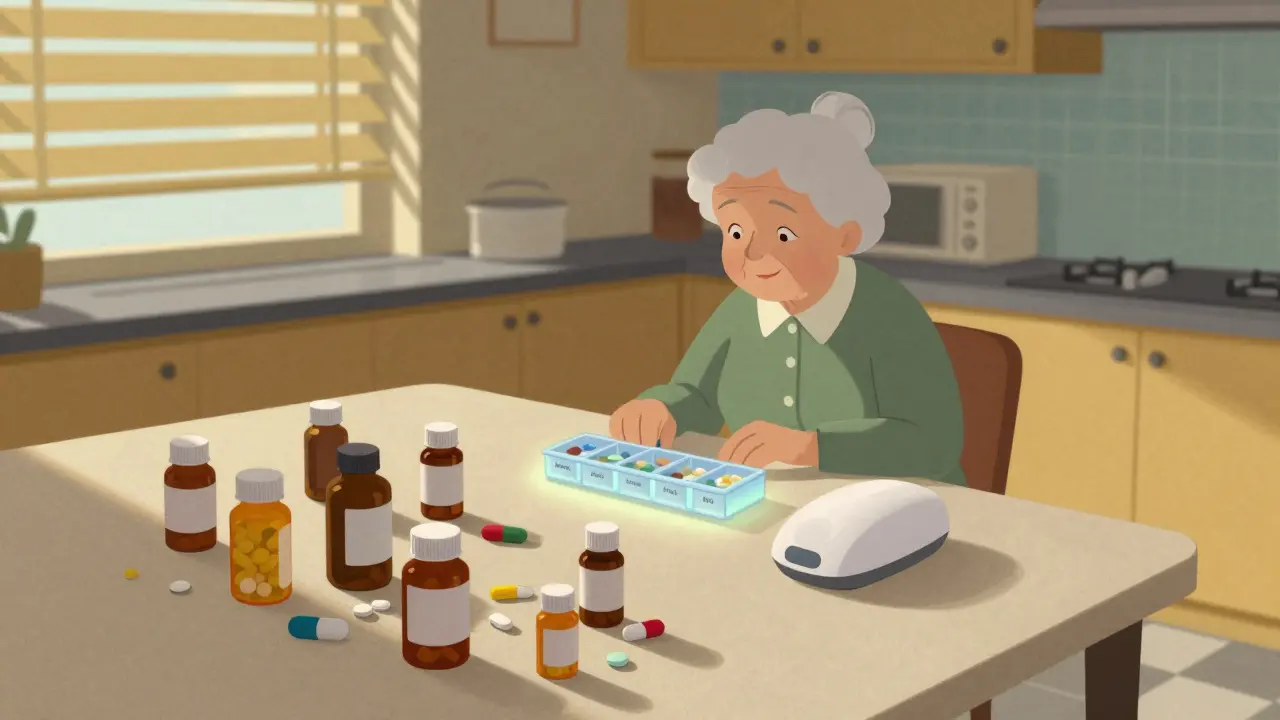
How to Simplify Complex Medication Regimens with Fewer Daily Doses
Too many daily doses make it hard to stick to your meds. Learn how fixed-dose combos, once-daily pills, and compliance packaging can cut pill burden and boost adherence-without sacrificing effectiveness.
Read More
Refrigerated Medications While Traveling: Best Cooling Options for 2026
Learn the safest, most reliable ways to keep insulin, Mounjaro, and other refrigerated medications at the right temperature while traveling-whether you're flying, road-tripping, or heading abroad.
Read More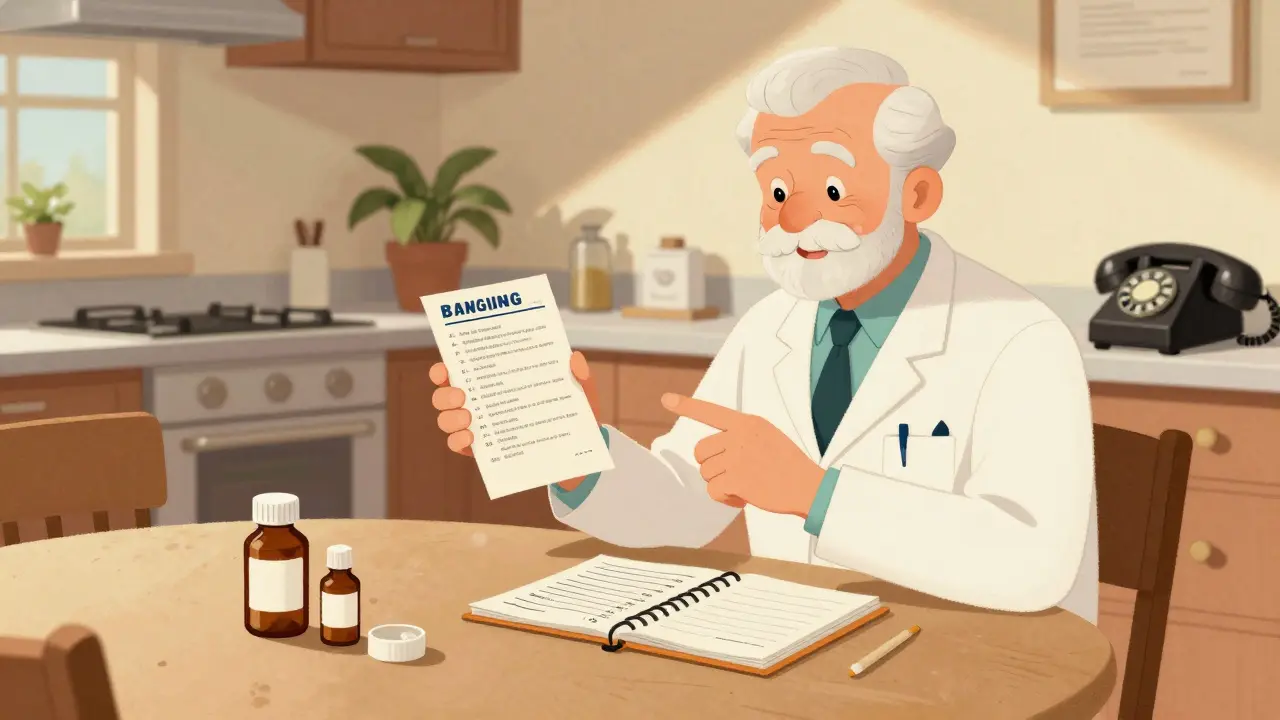
How to Prepare for a Medicare Annual Medication Review: A Step-by-Step Guide for Seniors
Learn how to prepare for your Medicare Annual Medication Review to catch dangerous drug interactions, lower costs, and improve your health. Step-by-step guide for seniors on what to bring, what to ask, and what to expect.
Read More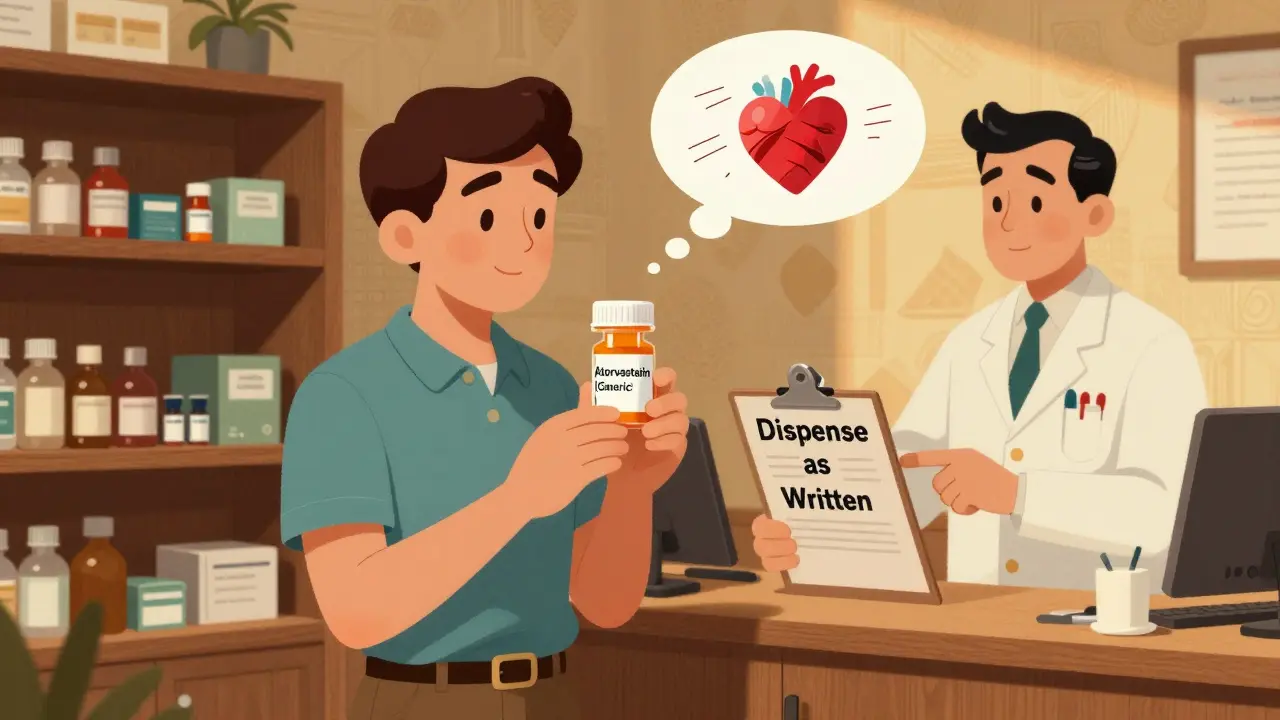
How to Handle Insurance Requirements for Generic Substitution
Learn how to navigate insurance rules for generic drug substitution, when to demand brand-name medications, and how to avoid dangerous switches without breaking the bank.
Read More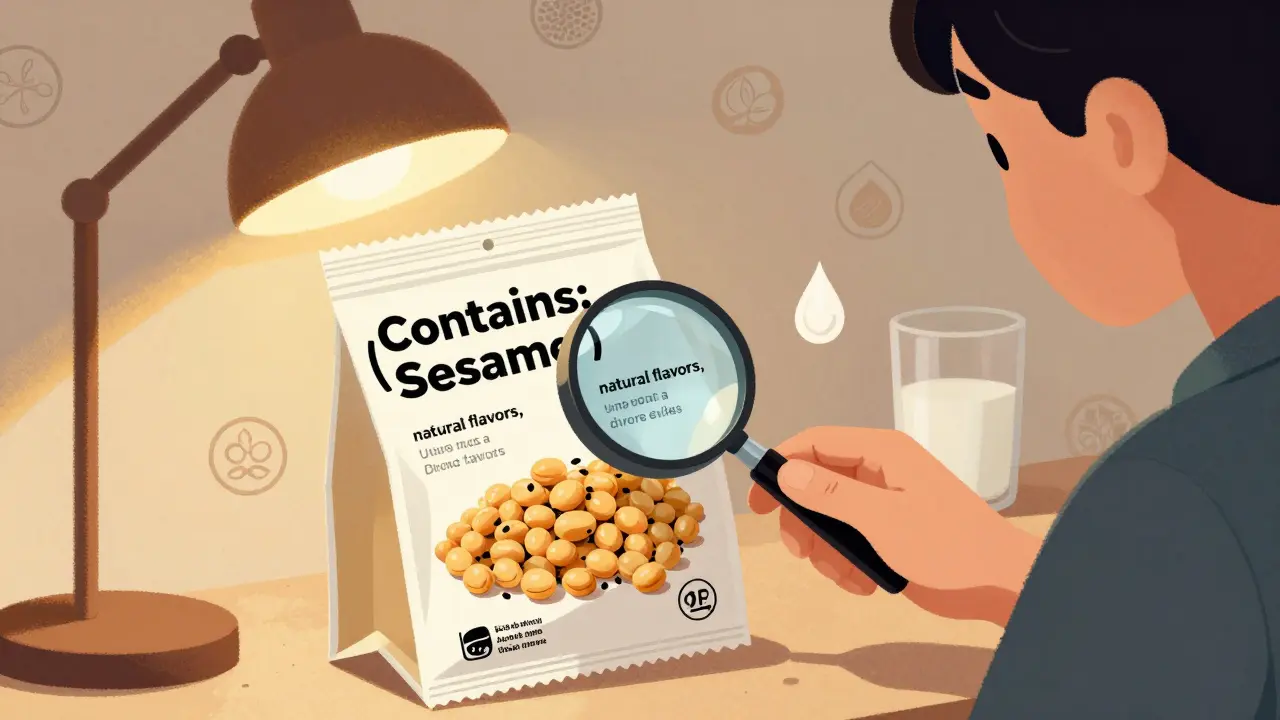
How to Check for Allergens and Inactive Ingredients on Prescription and Food Labels
Learn how to read food and prescription labels to avoid dangerous allergens and hidden inactive ingredients. Know what to look for, who to ask, and how to stay safe every time you take a pill or eat something new.
Read More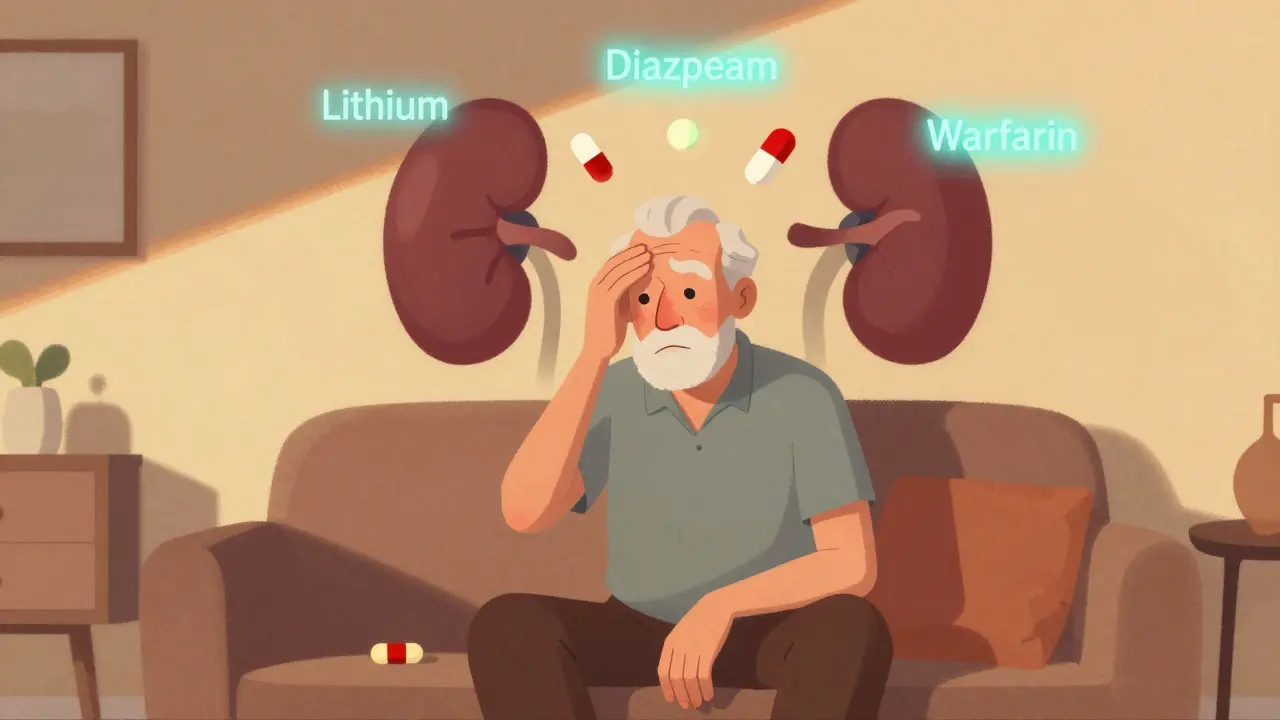
How Age Affects Medication Side Effects and Tolerability in Older Adults
As we age, our bodies process medications differently, increasing the risk of dangerous side effects. Learn how kidney function, brain sensitivity, and polypharmacy affect older adults-and what steps you can take to stay safe.
Read More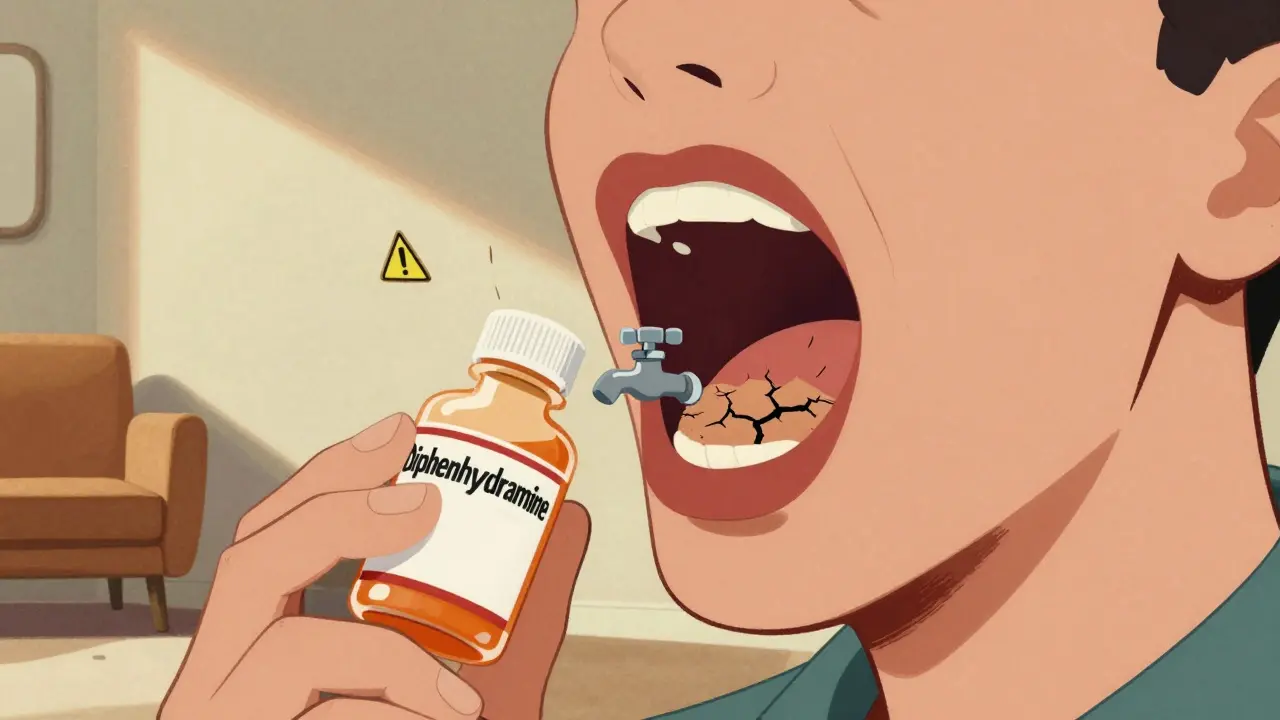
Anticholinergic Effects of Antihistamines: Dry Mouth, Constipation, Urinary Issues
First-generation antihistamines like Benadryl can cause dry mouth, constipation, and urinary issues by blocking acetylcholine receptors. Second-generation options like Zyrtec and Allegra offer the same allergy relief without these risks.
Read More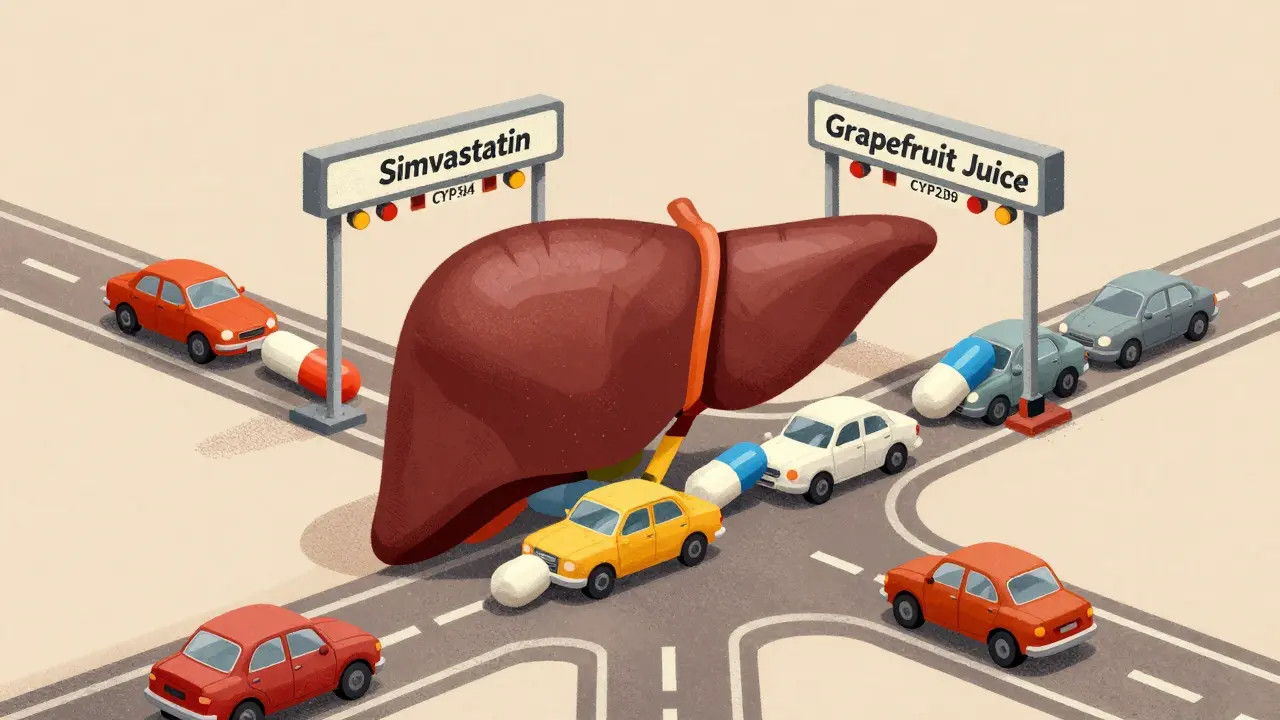
CYP450 Enzyme Interactions: How Medications Compete for Metabolism
CYP450 enzymes metabolize 90% of medications. When drugs compete for the same enzyme, levels can spike or drop dangerously. Learn how common meds, genetics, and even grapefruit juice can trigger life-threatening interactions.
Read More