Starting a course of strong steroid medication can feel like a necessary evil for many people fighting inflammation or autoimmune issues. But for some, the relief comes with a hidden price tag: a sudden, sharp spike in blood sugar. You might have been managing your weight and diet perfectly until the doctor prescribed a round of prednisone. Suddenly, your glucometer reads numbers you don't recognize. This condition, known as corticosteroid-induced hyperglycemia, affects nearly half of hospitalized patients receiving high-dose steroids. Understanding exactly why this happens and how to track it can save you from dangerous complications.
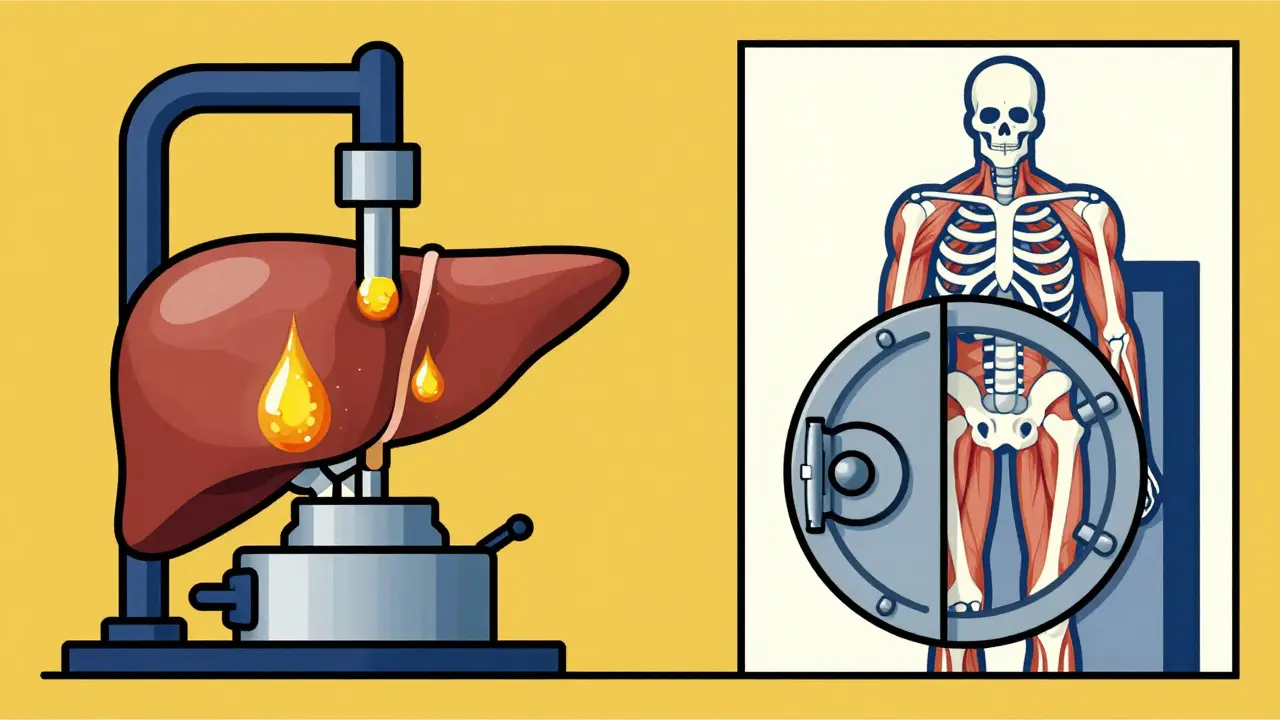
We are talking about a specific metabolic disruption that is different from standard Type 2 diabetes. The body reacts to glucocorticoids by essentially flooding the system with fuel while simultaneously locking the doors where that fuel usually gets stored. If left unchecked, this isn't just a minor inconvenience; it can lead to severe acute states like diabetic ketoacidosis or hyperosmolar syndrome. By following specific monitoring protocols designed for steroid users, you can keep these levels stable even during high-intensity treatment.
Understanding the Metabolic Disruption
Corticosteroid-induced hyperglycemia is a metabolic state where blood glucose rises abnormally due to steroid therapy, distinct from pre-existing diabetes. Research shows that when glucocorticoids enter the system, they trigger three simultaneous changes that drive sugar levels up. First, the liver goes into overdrive, producing about 38% more glucose than normal through a process called gluconeogenesis. It acts like a factory running at maximum capacity, pumping fuel out whether you need it or not.Second, your skeletal muscles, which usually soak up about 80% of the glucose after meals, become resistant. Studies indicate that glucose uptake drops by roughly 42.5% because the transporters responsible for moving sugar into cells stop working efficiently. Finally, the pancreas itself struggles. The beta cells, which produce insulin, get suppressed. A single high dose of prednisolone can inhibit these cells within two hours. This combination creates a perfect storm: too much sugar being made, fewer places for it to go, and less insulin available to move it around.
Identifying Your Personal Risk Profile
Not everyone reacting to steroids will see their blood sugar spike dangerously. However, certain factors make the development of steroid-induced diabetes mellitus (SIDM) highly probable. If you fall into a higher risk bracket, the standard approach to health doesn't apply-you need a tighter watch immediately. One of the most significant indicators is Body Mass Index (BMI). Patients with a BMI over 30 kg/m² face a 3.2-fold higher risk compared to those with a BMI under 25. Even a history of impaired glucose tolerance increases this risk by 4.7 times.
Dosing plays a massive role here, too. The severity often correlates with the potency of the steroid used. Drugs like dexamethasone tend to cause stronger metabolic shifts than others, though almost all systemic steroids carry the risk. Generally, once daily doses exceed 20 mg of prednisone equivalent, the likelihood of hyperglycemia jumps significantly. In fact, clinical data suggests that about 50% of patients on these high doses in a hospital setting develop hyperglycemia. Knowing your baseline before starting the medication is crucial. Doctors should measure your HbA1c and fasting glucose right before prescribing the first pill so you have a reference point.

Designing an Effective Monitoring Schedule
Standard diabetes monitoring-like checking fasting sugar once a day-isn't enough for steroid users. The glucose curve behaves differently under steroid influence. Most patients experience a "biphasic" pattern. You typically see morning hyperglycemia because the steroid peaks early in the day, followed by a dip or normalization later in the afternoon and evening. If you only check your sugar at night, you will miss the dangerous spike happening earlier. Experts recommend checking fasting levels and then again three to four hours after breakfast to catch that peak.
| Timing | Measurement Target | Rationale |
|---|---|---|
| Fasting (Morning) | Blood Glucose | Captures baseline overnight accumulation |
| Post-Breakfast (2-4 hrs) | Blood Glucose | Picks up peak steroid effect and meal response |
| Pre-Dinner | Blood Glucose | Monitors duration of insulin resistance |
| Bedtime | Blood Glucose | Ensures safety during sleep hours |
For those who have access to advanced technology, Continuous Glucose Monitoring (CGM) offers a distinct advantage. Standard fingersticks missed episodes in nearly 70% of cases compared to CGM devices, particularly at night. Since the insulin resistance persists for over 16 hours after a dose, knowing exactly when levels start creeping back down helps prevent the rollercoaster crashes that happen during dose reduction.
Treatment and Management Tactics
Once the numbers climb past safe limits (usually above 180 mg/dL consistently), action is required. Simple lifestyle tweaks aren't fast enough to counteract the pharmacological power of steroids like hydrocortisone or dexamethasone. Medical guidelines suggest that insulin therapy is often necessary, especially for patients without prior diabetes who suddenly spike. Sliding scale insulin alone is ineffective because it only reacts to high sugar after the damage has happened. Instead, a basal-bolus regimen works better. This provides a background level of insulin plus extra coverage for meals, mirroring the body's needs.
The timing of medication matters immensely. Because your insulin sensitivity changes throughout the day with the drug's presence, a fixed schedule can be risky. For example, taking a high dose of prednisone at 8 AM means your blood sugar will surge around noon. Aligning rapid-acting insulin doses with these predictable surges is key. Dr. Whyte's cohort study showed that over a quarter of patients needed to initiate insulin therapy during treatment. However, the goal is temporary control. Unlike chronic diabetes, this condition usually resolves once the steroid stops.

Navigating the Taper Phase Safely
The most dangerous time for many patients is actually when they stop the steroids. As the glucocorticoids leave the system, the artificial insulin resistance fades quickly. If you continue taking the same amount of insulin you needed during the peak steroid phase, you risk severe hypoglycemia. About 22.7% of patients experience unexpected lows during this tapering period. Community feedback suggests nearly 70% struggle with this fluctuation.
You must communicate with your provider about an insulin reduction plan. Often, insulin dosages need to be cut by 30% to 50% as soon as you begin reducing the steroid dose. Keeping your carbohydrate intake consistent helps stabilize things. Sudden changes in food intake combined with changing steroid levels can lead to confusing swings. Watch closely for symptoms of low blood sugar-shaking, sweating, confusion-and treat it immediately if they occur.
Long-Term Outlook and Prevention
While many patients return to normal glucose levels after stopping steroids, there is a risk of lasting effects. Sustained exposure to high sugar levels can accelerate vascular damage, even if it was short-lived. Recent studies note that prolonged elevation contributes to microvascular and macrovascular complications. Therefore, catching the issue early prevents permanent harm. Healthcare settings are evolving to address this, with new FDA labeling requirements since 2021 mandating that all systemic corticosteroids include hyperglycemia risk information.
Economically, proper management makes sense too. University analysis shows that treating this proactively reduces hospital stays by nearly two days and saves thousands per admission. Whether you are a rheumatology patient fighting arthritis or an oncology patient dealing with tumor-related inflammation, treating the blood sugar is part of the treatment. It is not an optional add-on. With better predictive tools coming online, including genetic markers and AI integration, doctors will hopefully pinpoint exactly who is at risk before ever prescribing the first tablet.




Sarah Klingenberg
27 March 2026 - 10:29 AM
It really helps to know someone finally laid out the protocol so clearly because most people just get scared when their numbers spike suddenly after starting meds. We have to remember that our bodies are resilient but also very sensitive to these chemical changes. Taking care of yourself during high steroid doses is just basic self-respect and dignity for anyone dealing with autoimmune issues. I hope everyone reading this saves their life by checking those morning readings honestly. Stay safe out there and let us know how your management plan goes. 🙂
walker texaxsranger
28 March 2026 - 18:57 PM
big pharma loves this spike so they can sell insulin next the liver goes into overdrive producing forty percent more glucose than normal through gluconeogenesis they act like a factory running maximum capacity pumping fuel whether you need it or not second skeletal muscles become resistant uptake drops by forty two point five percent transporters stop working efficiently finally beta cells get suppressed prednisolone inhibits these cells within two hours this creates a perfect storm too much sugar being made fewer places for it to go less insulin available moving it around dosing plays a massive role here potency correlates strongly with severity drugs like dexamethasone cause stronger metabolic shifts than others though almost all systemic steroids carry risk once daily doses exceed twenty mg likelihood jumps significantly clinical data suggests fifty percent of patients develop hyperglycemia knowing baseline before starting medication is crucial doctors should measure hbA1c fasting glucose right before prescribing first pill so reference point exists standard diabetes monitoring isnt enough glucocorticoids influence curve differently most patients experience biphasic pattern morning hyperglycemia because steroid peaks early followed by dip later afternoon evening experts recommend checking fasting levels then three four hours after breakfast catch peak continuous glucose monitoring offers distinct advantage standard fingersticks missed episodes nearly seventy percent cases compared to CGM devices insulin sensitivity changes throughout day with drug presence fixed schedule risky timing matters immensely dr whyte cohort study showed quarter patients needed initiate insulin therapy treatment goal temporary control condition usually resolves once steroid stops taper phase dangerous glucocorticoids leave system artificial resistance fades quickly continue same amount insulin risk severe hypoglycemia community feedback suggests nearly seventy percent struggle fluctuation must communicate provider reduction plan insulin dosages cut thirty to fifty percent begin reducing steroid dose watch closely symptoms low blood sugar treating proactive reduces hospital stays university analysis shows saving thousands per admission economic sense makes sense catching issue early prevents permanent harm recent studies note prolonged elevation contributes vascular complications healthcare settings evolving address this new fda labeling requirements mandating hyperglycemia risk information systemic corticosteroids include since two thousand twenty one genetic markers AI integration doctors hopefully pinpoint exactly who risk ever prescribing first tablet wake up check baseline today
Monique Louise Hill
29 March 2026 - 21:08 PM
You really need to stop spreading fear online instead of helping people manage their actual health conditions properly 😤 It feels so irresponsible to talk about pharma conspiracies when people are genuinely struggling with serious metabolic disruptions. You should focus on following doctor instructions rather than posting random unverified claims about drug manufacturers 💉 Everyone deserves respect and accurate information when navigating these tough medical battles please think twice before scaring vulnerable patients 😠
Shawn Sauve
30 March 2026 - 08:26 AM
I just want to add that checking your baseline before the first prescription is truly the most important step you can take for your own safety. It sets a clear marker for what normal looks like for you personally so you can see real changes later on. Respecting your body's signals means paying attention to those early warning signs before things escalate further. Please consult your specialist about the best schedule for your specific situation. It is always good to have a backup plan ready just in case things shift unexpectedly. 👍
Eva Maes
1 April 2026 - 02:12 AM
The correlation between BMI and risk is absolutely fascinating and terrifying when you really look at the raw statistics involved here. A body mass index over thirty carries a three point two fold higher risk which paints a stark picture of metabolic vulnerability. Impaired glucose tolerance history bumps that probability up by nearly five times creating a perfect storm scenario. Dosing severity ties directly to potency metrics meaning dexamethasone shifts the metabolic needle harder than softer agents. Clinical datasets suggest half of all hospital patients on high dose regimens manifest hyperglycemia eventually. We cannot ignore the biological reality that standard health approaches fail when facing pharmacological powerhouses. Early detection prevents microvascular damage before it becomes permanent structural harm to vessel walls. Proactive management cuts down hospital stays by nearly two days according to university financial analysis reports. Treating blood sugar instability is part of the primary treatment plan not an optional add-on service for later consideration. Healthcare evolution includes new FDA mandates since 2021 forcing label updates on all systemic corticosteroids regarding these risks. Predictive tools involving genetic markers might help identify susceptible individuals before they even swallow a single tablet of medication. The timeline for beta cell suppression moves fast so patience offers no protection here whatsoever. We must align rapid acting insulin doses with predictable surges triggered by morning prednisone administration schedules. Dr Whyte demonstrated that intervention timing determines success rates in managing acute spikes effectively. Ignoring this window invites dangerous complications like diabetic ketoacidosis which could prove fatal if untreated. Monitoring glucose curves requires strategic planning to catch the biphasic nature of steroid induced metabolic disruption fully.
Tommy Nguyen
1 April 2026 - 19:07 PM
You can do this just keep calm and monitor your levels regularly
Paul Vanderheiden
3 April 2026 - 17:08 PM
Exactly that mindset is key to getting through the treatment without stress overwhelming you. You have the strength to handle the fluctuations if you just stick to your monitoring plan carefully. Remember that this condition is usually temporary once the steroids leave your system completely. Keep pushing forward and trust your team to guide you safely through this rough patch. Your effort now pays off massively in preventing bigger issues down the road. Stay strong and keep logging those numbers for your doctor to review easily. You are doing great work taking charge of your health situation. 💪
Kameron Hacker
5 April 2026 - 11:38 AM
The human body betrays itself under chemical siege with remarkable efficiency and speed when faced with exogenous glucocorticoids. One must understand that metabolism is not merely a passive background process but an active battlefield where survival depends on adaptation. To ignore the magnitude of hepatic glucose production increases is to invite systemic collapse of the regulatory framework. Insulin resistance represents a failure of cellular communication that demands immediate countermeasures from the outside source. The pancreas struggles against the suppressive wave generated by high dose prednisolone administration within hours. Failure to anticipate the biphasic surge leaves the patient exposed to critical thresholds above safe limits consistently. Medical professionals must treat this metabolic disruption as a priority equal to the underlying inflammation requiring steroids. Delaying insulin intervention allows for accumulation of toxic effects on vascular integrity and nerve endings. We observe a phenomenon where temporary hormonal exposure leads to potential permanent damage if left unmonitored adequately. The philosophy of prevention dictates we must strike before the complication manifests rather than waiting for crisis points. Aggression in monitoring is required because the window for reversal is narrow and fleeting in duration. Hypoglycemia during tapering remains the silent killer that catches patients off guard when resistance fades too quickly. Reduction of insulin dosage must be aggressive and synchronized with steroid tapering schedules perfectly. Consistency in carbohydrate intake stabilizes the environment against the volatility introduced by pharmacological agents. We must demand better predictive tools to spare future generations from these metabolic shocks entirely. The cost of inaction far outweighs the resources invested in proactive surveillance of glucose levels. Life hangs in the balance of milligrams per deciliter during these intense therapeutic interventions.
Richard Kubíček
7 April 2026 - 06:17 AM
There is something profound about how our biology reacts to external substances in ways we often underestimate until disaster strikes. The balance between necessary inflammation control and metabolic stability is delicate and requires constant vigilance from both patients and providers alike. We see the truth in the data showing that proactive measures save lives and reduce economic burdens on the healthcare system significantly. Every person facing this challenge deserves access to CGM technology and proper education on interpreting their own glucose curves accurately. The transition phase during steroid withdrawal highlights the fragility of our internal regulation systems once chemical crutches are removed. Understanding the risk factors like BMI helps tailor individual strategies rather than applying a blanket approach to every patient indiscriminately. Future advancements in genetic testing may offer the hope of predicting susceptibility before initiating any corticosteroid treatment course. Until then we must remain vigilant observers of our own physiology ensuring we catch anomalies early enough to correct them. Collaboration between rheumatologists oncologists and endocrinologists forms the backbone of successful management for these complex cases. Patience and consistency are virtues that pay dividends when navigating the rollercoaster of hormone induced hyperglycemia effectively. Let us learn from the experiences shared here to improve outcomes for those coming after us in similar situations. Our collective knowledge builds a bridge over dangerous waters that could otherwise trap the unwary patient in serious complications.