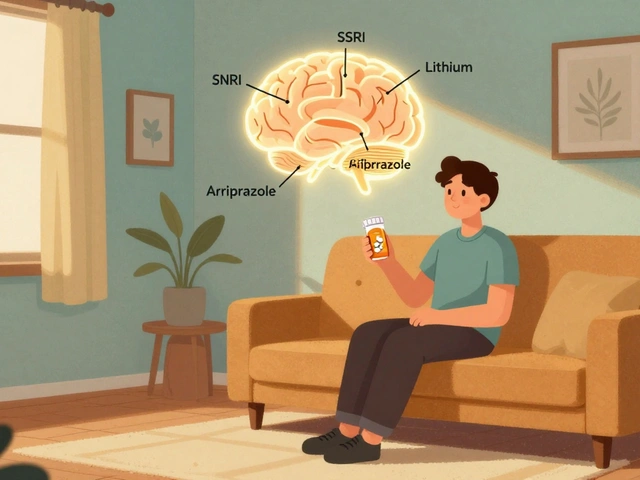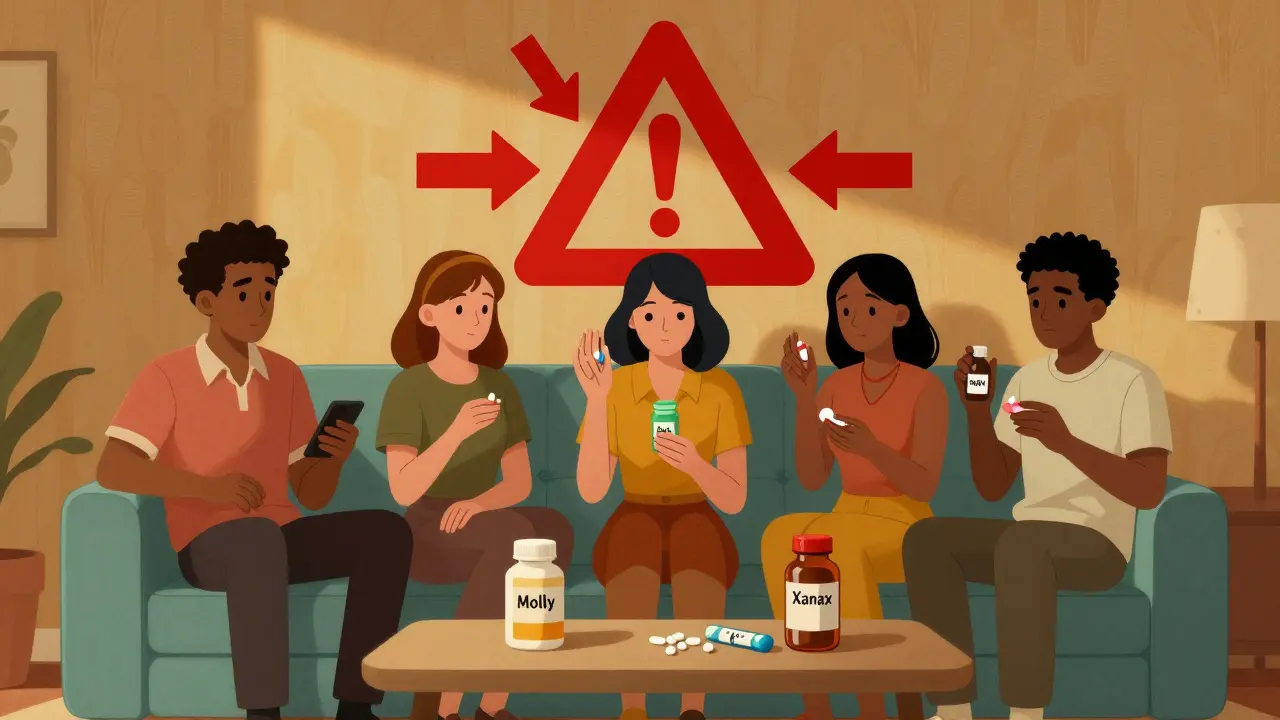
Every year, over 107,000 people in the U.S. die from drug overdoses. Many of these deaths aren’t caused by a single drug - they happen because of drug interactions. Mixing opioids with alcohol, benzodiazepines, or even common sleep aids can turn a routine dose into a fatal one. The scary part? Most of these deaths are preventable. If you or someone you care about is taking any kind of medication - prescription, over-the-counter, or even street drugs - knowing how to check for dangerous combinations isn’t just helpful. It’s life-saving.
Why Some Drug Mixes Are Deadly
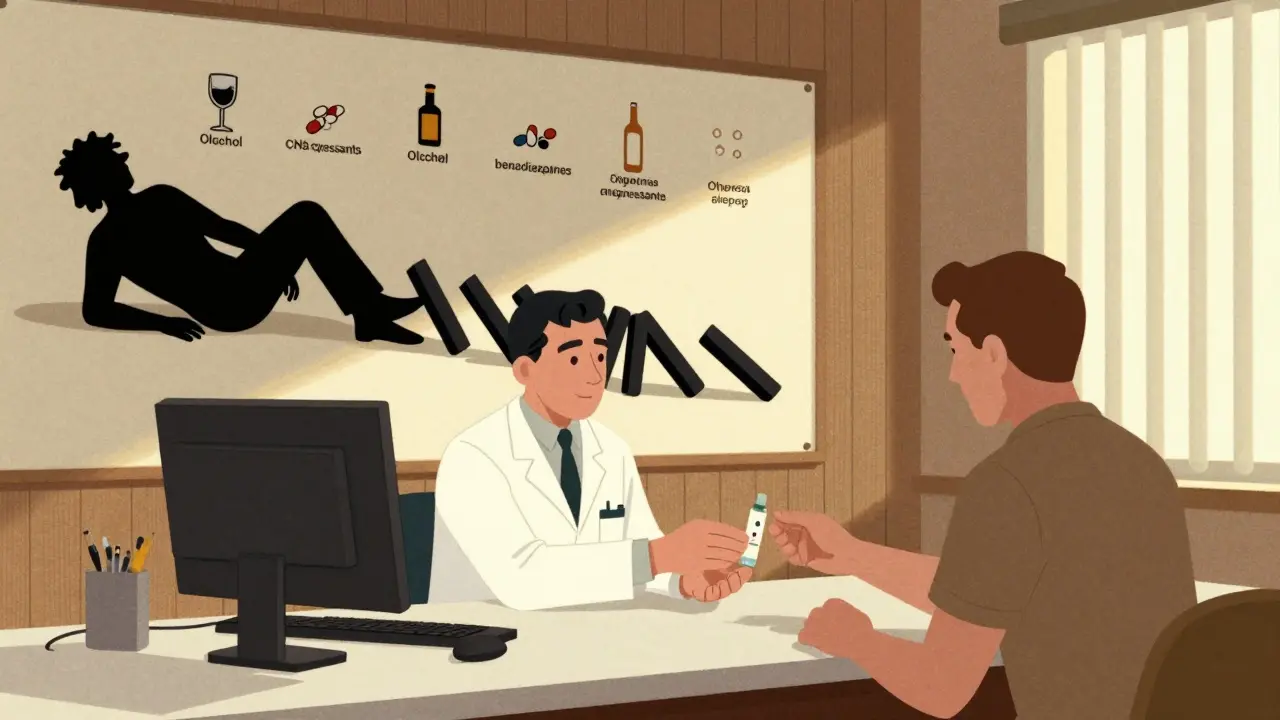
Not all drug interactions are the same. Some cause nausea or dizziness. Others slow your breathing to a stop. The most dangerous combinations involve substances that all depress the central nervous system (CNS). This includes:- Opioids (like oxycodone, hydrocodone, fentanyl, heroin)
- Benzodiazepines (like Xanax, Valium, Klonopin)
- Alcohol
- Sleep medications (like Ambien, Lunesta)
- Muscle relaxants (like cyclobenzaprine)
- Some antihistamines (like diphenhydramine in Benadryl)
When these drugs are taken together, their effects don’t just add up - they multiply. A 2022 study in JAMA Internal Medicine found that combining opioids with benzodiazepines increases the risk of fatal overdose by more than 10 times. Alcohol mixed with opioids raises the chance of respiratory failure by 67%. Even people who’ve been using opioids for years can overdose if they add another depressant. Tolerance doesn’t protect you from new combinations.
How Clinicians Check for Risks
Doctors and pharmacists don’t guess when assessing overdose risk. They use proven tools. The CDC’s Opioid Risk Tool (ORT) is one of the most widely used. It’s a quick 5-question screen that takes less than two minutes. It doesn’t just ask if you’re using other drugs - it asks how you’re using them. For example:- Have you ever taken a medication not prescribed to you?
- Have you ever changed how you take your medicine - like crushing pills or injecting them?
- Do you have a history of respiratory issues like asthma or sleep apnea?
These questions matter because they uncover hidden risks. Someone who says “I only take my pain pills” might not mention that they take a sleeping pill every night. Or that they drink two glasses of wine with dinner. The CDC found that 58% of patients underreport benzodiazepine use when asked directly. But when the question is phrased as “Do you ever take medicines not prescribed to you?” - disclosure rates jump by 52%.
Digital Tools - Helpful, But Not Enough
There are plenty of apps and websites that check drug interactions. The FDA’s Drug Interaction Checker, Medscape’s tool, and MedlinePlus are all updated regularly and cover over 1,000 prescription drugs. But here’s the problem: they only know about listed medications.They don’t know about:
- Fentanyl-laced cocaine
- Street-bought “Xanax” that’s actually clonazepam or a synthetic opioid
- Someone sharing their parent’s painkillers
- Using “Molly” - which might be MDMA, but could also be fentanyl
A 2023 study found that 63% of dangerous interactions happen with substances not in any digital database. Even the most advanced tool can’t warn you if you don’t know what you’re taking. One person shared on Reddit: “I overdosed using what I thought was heroin. It was fentanyl-laced cocaine. No app could have warned me.”
What Harm Reduction Programs Do Differently
Harm reduction workers - like those at syringe exchange programs or overdose response teams - don’t rely on medication names. They use plain language. The Overdose Risk Assessment Card, used by the National Harm Reduction Coalition, lists common substances by street names and effects:- “Downers” - benzodiazepines, sleep meds, muscle relaxers
- “Speed” - cocaine, meth, Adderall
- “Stimulants with opioids” - mixing heroin with cocaine or meth
- “New stuff” - any unknown powder or pill
They ask: “Have you used any of these in the last week?” Not “Are you taking Xanax?” That simple shift reduces stigma and increases honesty. A 2023 survey found that people were 94% more likely to admit to using dangerous combinations when asked this way.
One woman told a SAMHSA case study: “My doctor asked about ‘downers’ instead of just meds. I told her I was taking Valium with my oxycodone. She gave me naloxone and saved my life.”
What You Can Do Right Now
You don’t need a doctor to start checking for risks. Here’s how to protect yourself or someone you care about:- Ask yourself: Have I taken anything in the last week that wasn’t prescribed to me? This includes pills from a friend, leftover meds, or anything bought online.
- Check the combo: If you’re taking an opioid (even a low dose), avoid alcohol, sleeping pills, muscle relaxers, or benzodiazepines. No exceptions.
- Know the street names: “Molly” isn’t always MDMA. “Xanax” might be fake. “Percs” could be fentanyl. If you’re unsure what’s in a pill or powder, assume it’s lethal.
- Carry naloxone: It reverses opioid overdoses. It doesn’t work for alcohol or benzodiazepines, but many overdoses involve opioids too. Get it for free from pharmacies or harm reduction groups.
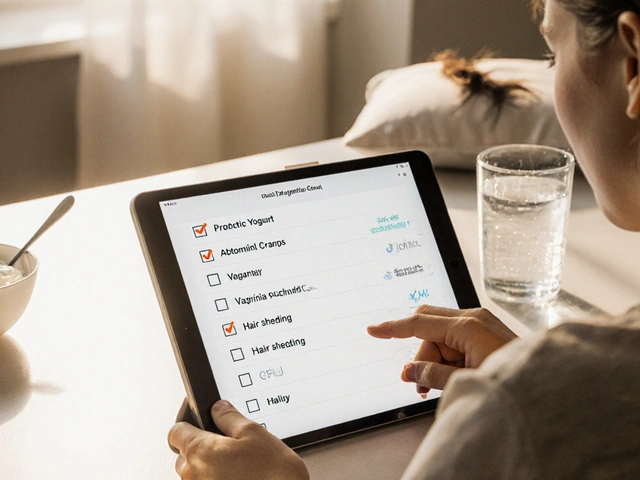
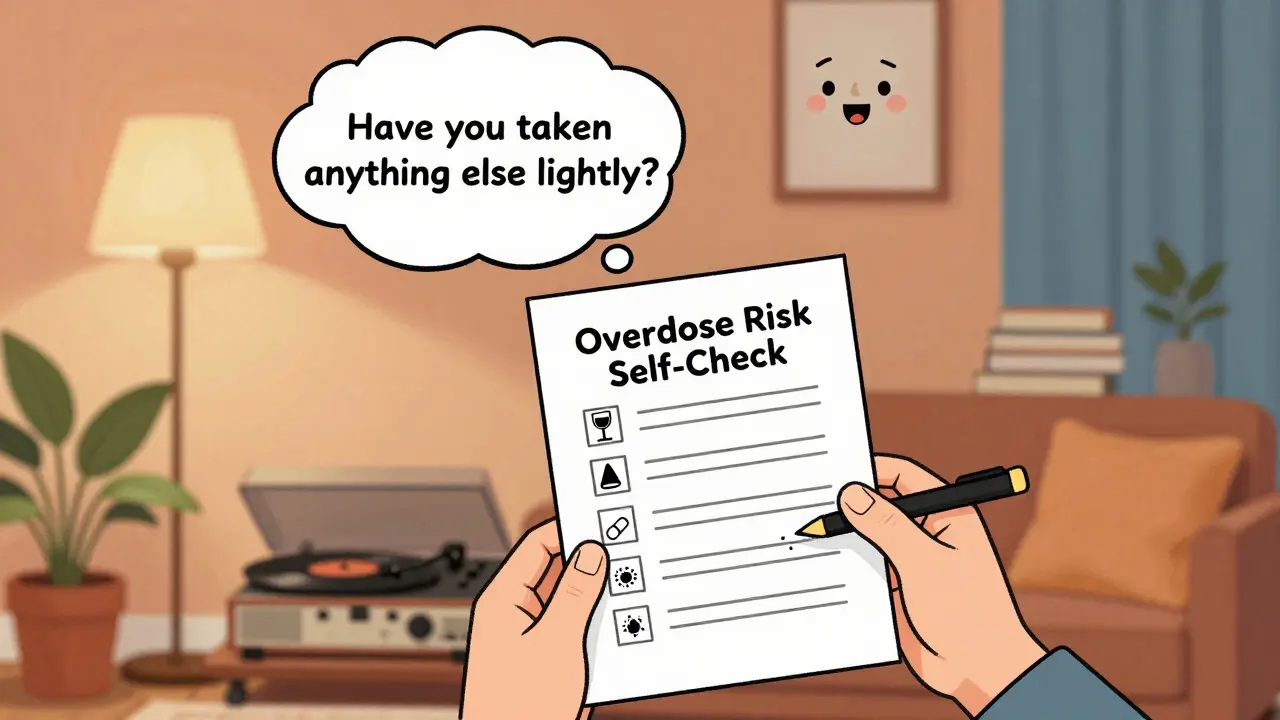
- Use the free self-check tool: The National Harm Reduction Coalition offers a 10-question online tool in 12 languages. It’s based on clinical guidelines and has 88% accuracy. Search “Overdose Risk Self-Check” - no login needed.
The Bigger Picture
This isn’t just about individual choices. The system is failing too. Only 17% of U.S. syringe service programs have access to a pharmacist who can check interactions. In 2023, 68% of people prescribed opioids said they were never asked about alcohol or benzodiazepine use. And while 38 states now require interaction checks before prescribing opioids, many of those checks are done by computers - not humans.But change is happening. Hospitals that ask about non-prescribed drugs have seen 63% more disclosures since 2019. The FDA’s 2024 update added data on 47 new fentanyl analogs. SAMHSA now requires all funded programs to screen for illicit substances. The future isn’t just better apps - it’s better conversations.
Final Thought
You don’t need to be a doctor to prevent an overdose. You just need to know the risks - and ask the right questions. If you’re taking opioids, don’t mix them with anything else. If you’re using street drugs, assume every pill or powder could be laced. And if you’re worried about someone, ask them: “Have you taken anything else lately?” Don’t say “meds.” Say “anything.” The difference might be their last breath.Can I mix opioids with over-the-counter sleep aids like Benadryl?
Yes, that’s extremely dangerous. Benadryl (diphenhydramine) is a CNS depressant. When combined with opioids, it can slow your breathing to a stop. A 2021 NIH study showed that mixing opioids with antihistamines increases overdose risk by 40%. Even one dose of Benadryl with an opioid can be fatal, especially if you’re older or have breathing problems.
I only take my opioid prescription once a day. Why should I worry?
Tolerance doesn’t protect you from new combinations. Even if you’ve been taking opioids for years without issues, adding alcohol, benzodiazepines, or even some cold medicines can suddenly make your body unable to handle the dose. A 2023 CDC report found that 45% of overdose deaths happened to people who had been stable on their opioid dose for over a year - until they added another depressant.
Do drug interaction apps work for illegal drugs like heroin or fentanyl?
Most don’t. Digital tools only include FDA-approved medications. Heroin, fentanyl, and street drugs aren’t in their databases. Even if you type in “heroin,” you won’t get a warning. That’s why apps can’t replace human conversations. The real danger comes from unknown substances - like fentanyl-laced cocaine - which no app can predict.
What if I don’t know what’s in the pills I’m taking?
Assume the worst. If you’re using pills or powder from an unknown source, treat them as if they contain fentanyl. Fentanyl is 50 to 100 times stronger than morphine. A tiny amount - as little as 2 milligrams - can kill. No matter how experienced you are, you can’t tell by sight, smell, or taste. The only safe approach is to avoid unknown substances entirely.
Is naloxone enough to protect me if I mix drugs?
Naloxone only reverses opioid overdoses. If you mix opioids with alcohol, benzodiazepines, or other depressants, naloxone might revive you - but you could still die from respiratory failure caused by the other drugs. Naloxone is lifesaving for opioid overdoses, but it’s not a safety net for polydrug use. The best protection is avoiding dangerous combinations altogether.
Can I trust my pharmacist to check for interactions?
Most pharmacists check for known drug interactions using digital tools - but they often don’t ask about street drugs or non-prescribed use. A 2023 study found that 41% of patients who overdosed had been prescribed opioids without being asked about alcohol or benzodiazepines. To be safe, always volunteer that information. Say: “I also take Xanax,” or “I sometimes use something I got from a friend.” Don’t wait for them to ask.
What if I’m not on opioids but use other depressants?
You’re still at risk. Benzodiazepines and alcohol alone can cause overdose, especially in older adults or people with liver or lung disease. The Beers Criteria - used by geriatric specialists - lists 56 dangerous combinations for people over 65. Mixing alcohol with sleep aids, muscle relaxers, or even some antihistamines can be fatal. You don’t need to be on opioids to be in danger.