NTI Drugs: What They Are, Why They Matter, and How to Use Them Safely
When a drug has a Narrow Therapeutic Index, a small difference between a safe dose and a toxic one. Also known as NTI drugs, these medications leave almost no room for error—take a little too much, and you risk poisoning; take a little too little, and the treatment fails. This isn’t theoretical. Drugs like warfarin, levothyroxine, phenytoin, and digoxin all fall into this category. They’re life-saving when used right, but they’ve sent thousands to the ER each year because of simple mistakes: switching brands, missing a dose, or mixing them with supplements.
NTI drugs demand more than just following the label. They require consistency. A generic version might be chemically identical, but if your body reacts differently to a slight change in filler or absorption rate, your INR can spike or your thyroid levels can crash. That’s why the FDA’s Office of Generic Drugs pays extra attention to these drugs during approval—bioequivalence isn’t just a checkbox here, it’s a safety net. And yet, many patients don’t know their meds are NTI drugs. They see "generic" and assume it’s the same in every way. It’s not. Even switching from one brand to another generic can trigger side effects you didn’t have before.
These drugs also interact dangerously with common things people don’t think twice about. Grapefruit juice can turn a safe dose of digoxin into a heart rhythm disaster. St. John’s wort can make levothyroxine useless. And if you’re taking multiple prescriptions, the risk multiplies. That’s why an annual medication review with a pharmacist isn’t just a good idea—it’s essential for anyone on an NTI drug. You need someone who can spot hidden conflicts, track subtle changes in how you feel, and make sure your dose hasn’t drifted out of the safe window.
What you’ll find below are real-world guides on avoiding the mistakes that make NTI drugs dangerous. From checking medication names and strengths to understanding how generics are approved, from spotting dangerous supplement interactions to learning why women may react differently to these drugs, each post is built around the same core truth: with NTI drugs, precision saves lives. There’s no room for guesswork. These articles give you the tools to be the most important person in your own safety chain.
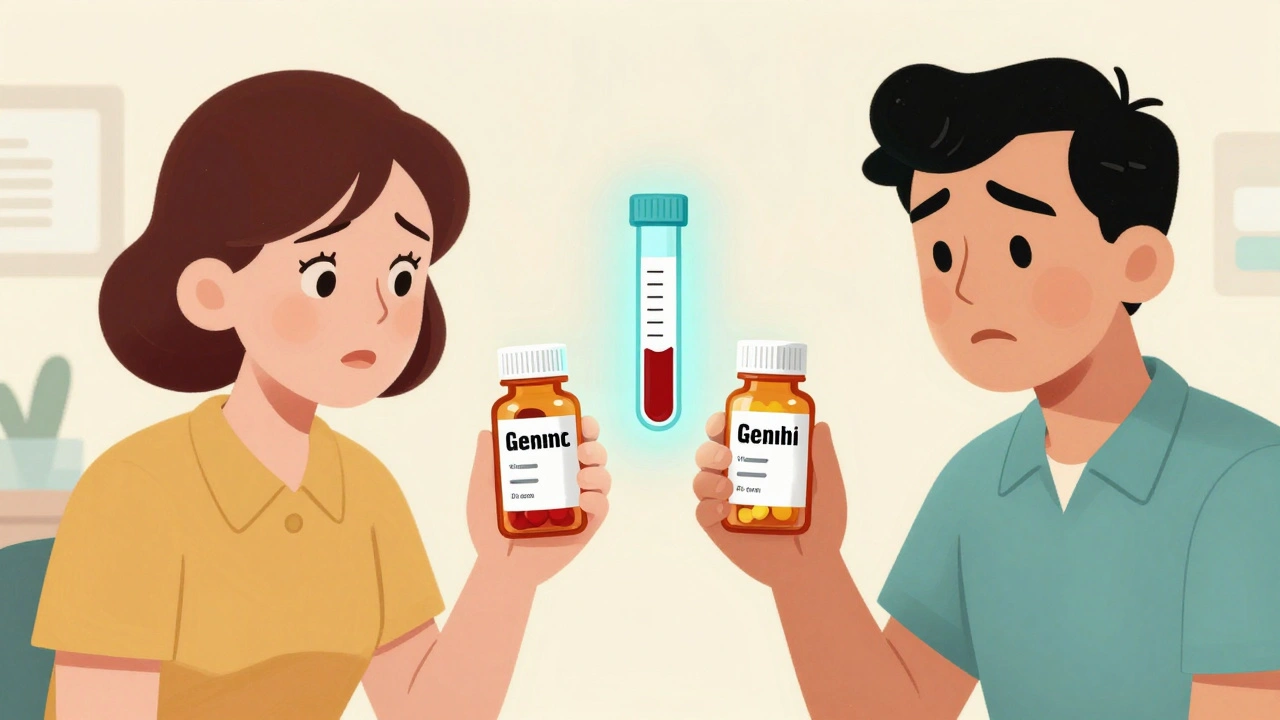
Therapeutic Drug Monitoring for Generic NTI Drugs: Protecting Patients When Substitutions Go Wrong
Therapeutic drug monitoring helps protect patients on generic narrow therapeutic index (NTI) drugs by measuring blood levels to ensure safe, effective dosing-especially after generic switches that can cause dangerous fluctuations.
Read More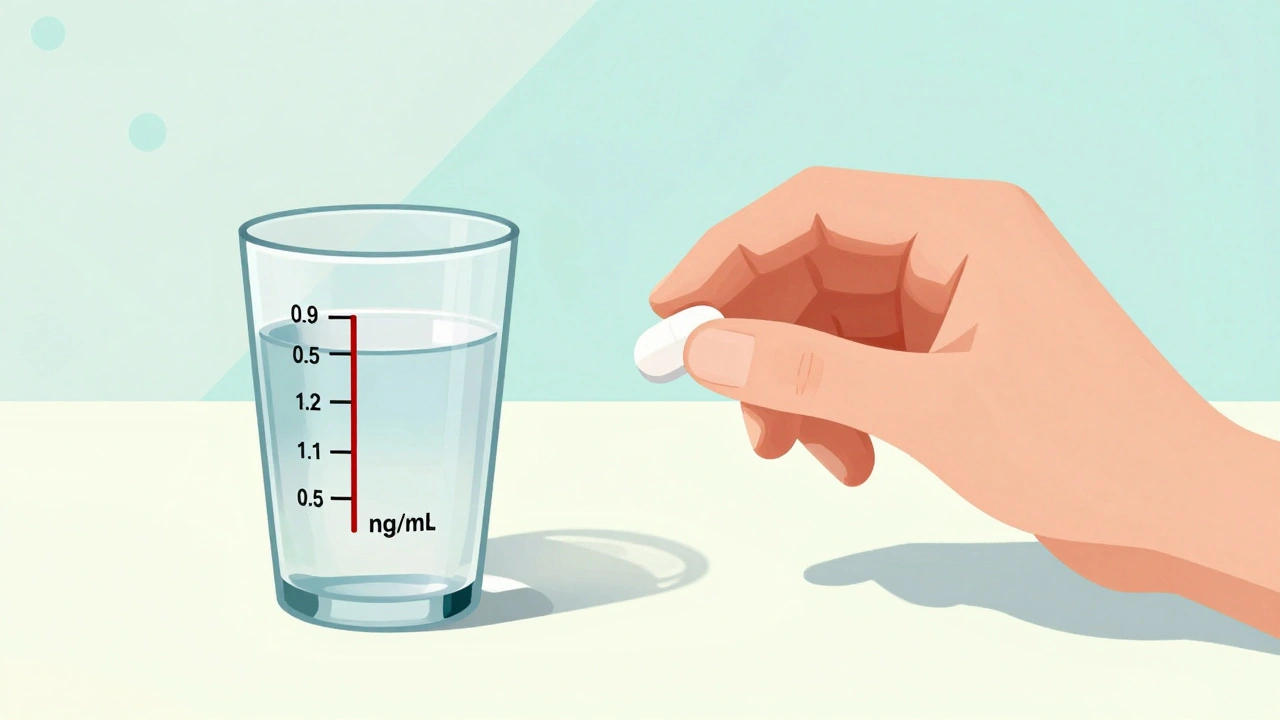
Medications with a Narrow Therapeutic Index: Why Expiration Dates Matter More Than You Think
Narrow therapeutic index drugs like warfarin, lithium, and digoxin require extreme precision. Even minor potency loss after expiration can lead to life-threatening consequences. Here's why you must never use expired NTI medications.
Read More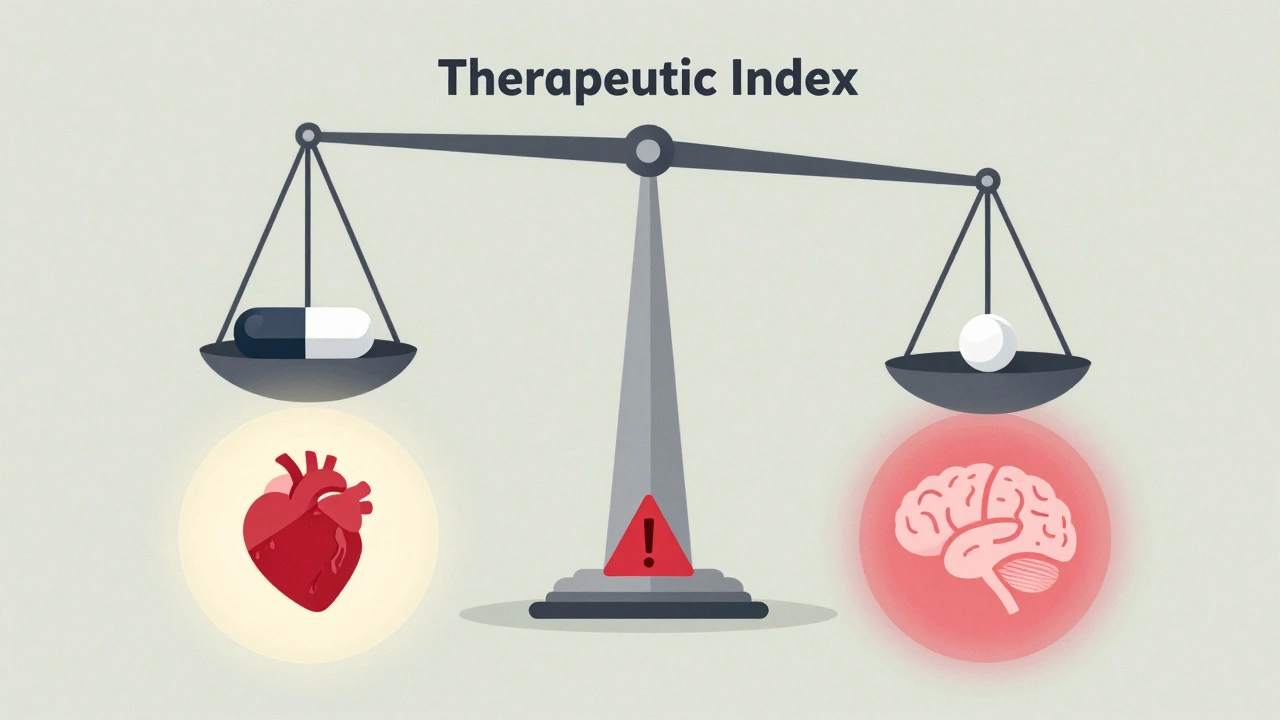
Narrow Therapeutic Index Drugs: Why Bioequivalence Standards Are Tighter for These Medications
Narrow therapeutic index drugs require stricter bioequivalence standards to ensure generic versions match the brand's safety and effectiveness. Learn why even small differences in dose can be dangerous and how regulators are protecting patients.
Read More