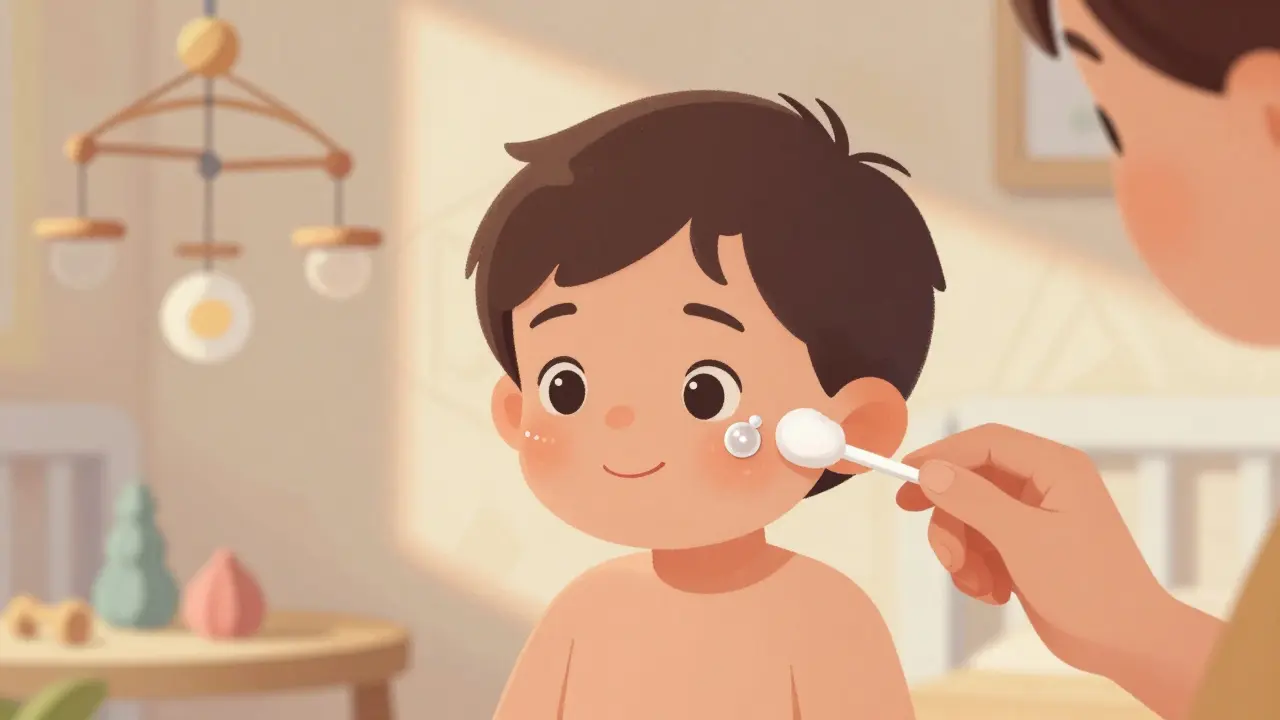
Molluscum contagiosum looks like tiny, pearly bumps on the skin-often mistaken for warts or bug bites. But unlike warts, these bumps have a small dimple in the center. They don’t hurt, don’t itch badly (at first), and usually go away on their own. Yet for parents, adults with genital lesions, or anyone dealing with visible bumps on the face or neck, the uncertainty and stigma can feel overwhelming.
What Exactly Is Molluscum Contagiosum?
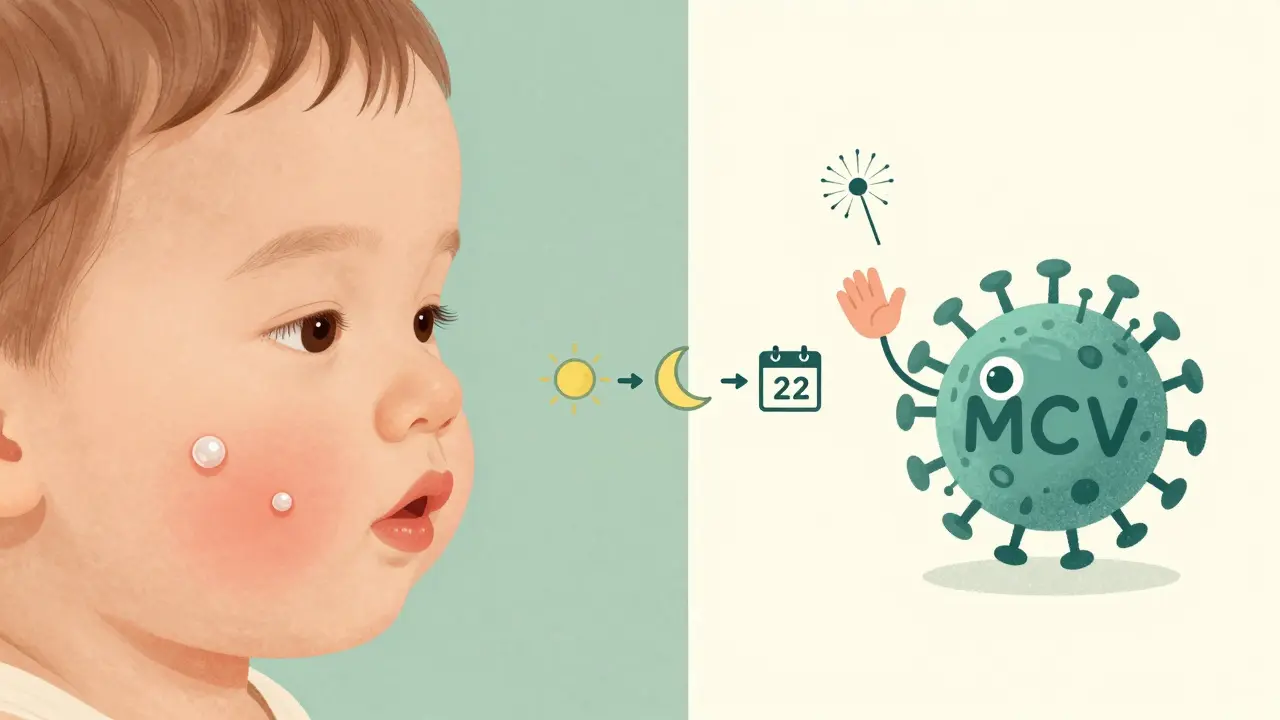
Molluscum contagiosum is caused by a virus called MCV, part of the poxvirus family. It’s not dangerous, not cancerous, and doesn’t affect internal organs. It only lives on the top layer of skin. In kids, it’s super common-especially between ages 1 and 10. In adults, it’s usually spread through sexual contact or in people with weakened immune systems. The bumps are typically 2 to 6 millimeters wide-about the size of a pencil eraser. They’re round, firm, and often look waxy or pearly. The telltale sign? A tiny dent or dot right in the middle. You’ll find them on the face, neck, arms, legs, or groin. Rarely on palms or soles. They can pop up alone or in clusters. It takes 2 to 6 weeks after touching the virus for the bumps to show up. That’s why it’s hard to trace where someone picked it up. The virus spreads easily through skin-to-skin contact, sharing towels, clothes, or even pool water. Kids with eczema are 30% more likely to get it-their skin barrier is already compromised.How Is It Different From Other Skin Issues?
Many people confuse molluscum with warts, herpes, or chickenpox. Here’s how to tell them apart:- Warts (HPV): Rough, grainy, no dimple. Often on fingers or feet. Harder to the touch.
- Herpes: Painful blisters that burst and crust over. Usually clustered, red, and tender.
- Chickenpox: Hundreds of itchy, fluid-filled blisters all over the body. Comes with fever.
- Impetigo: A bacterial infection with honey-colored crusts. Needs antibiotics.
Why Do Some People Treat It-and Others Don’t?
The biggest debate isn’t about medical necessity-it’s about comfort, appearance, and fear of spreading. In the U.S., about 45% of pediatric cases get treated. In the UK, it’s closer to 8%. Why the difference? Cultural attitudes. American parents often want bumps gone fast, especially if they’re on the face. European doctors tend to let nature take its course. Parents on forums like BabyCenter report that 78% chose no treatment. Their reasoning? “It’s harmless,” “It’ll go away,” “Doctors are pushing procedures that cause scarring.” One mom wrote: “My son had 12 bumps on his cheek. We did nothing. They faded in 11 months. No marks.” But for adults with genital molluscum? The emotional toll is real. Reddit threads from people with lesions on their genitals describe months of anxiety, avoiding intimacy, and feeling “dirty” or “shamed.” One user shared: “I didn’t date for 14 months. I thought I’d never be normal again.” And for kids with visible bumps? A 2021 study found 45% faced teasing or social isolation at school. That’s why some dermatologists recommend early treatment-not because the virus is dangerous, but because the stigma is.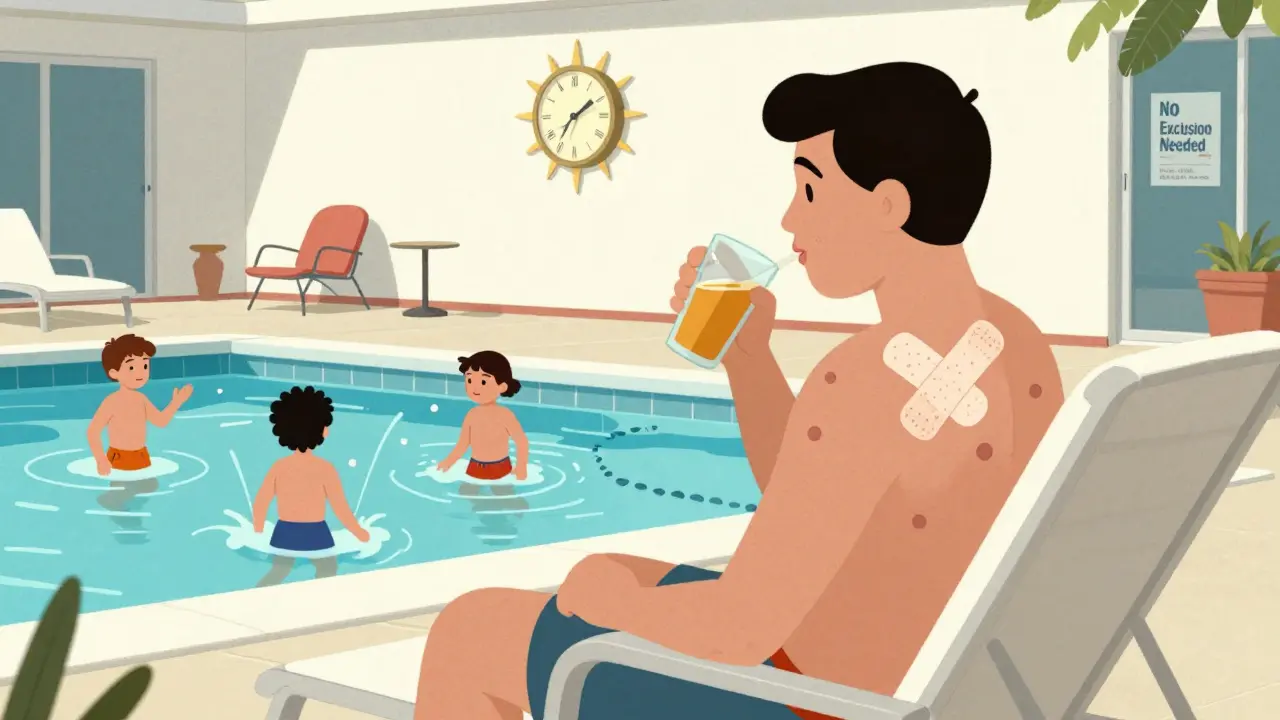
What Treatments Actually Work?
There’s no magic bullet. No single treatment clears molluscum faster than others in every case. But some options have stronger evidence. Cantharidin (a blistering agent applied by a doctor) showed the highest clearance rate in a Cochrane review: 73% after 12 weeks. It’s painless during application, but the next day, the bump turns into a blister and falls off. Works best for kids. Not for the face. Topical potassium hydroxide (KOH) is popular in compounded creams like MolluDab. Amazon reviews show 63% of users reported full clearance in under 8 weeks. It’s applied daily, causes mild burning, and peels the bump off slowly. Safe for kids. Affordable. Easy to use at home. Cryotherapy (freezing) is common-but risky. Dermatologists use liquid nitrogen to freeze the bumps. It hurts. It can blister. And if done too aggressively on a child’s face, it leaves white scars. RateMDs reviews show 41% of complaints are about scarring from unnecessary freezing. Laser treatment is expensive, painful, and usually reserved for stubborn cases in adults or immunocompromised patients. Not for kids. Observation remains the gold standard for healthy children. The American Academy of Dermatology says: “Watchful waiting is preferred.” Why? Because treatment often causes more stress, pain, and scarring than the virus itself.What About Home Remedies and OTC Products?
You’ll see tea tree oil, apple cider vinegar, iodine, and duct tape on parenting blogs. None of these have strong clinical backing. Some may irritate the skin. Others do nothing. The FDA issued warnings in 2022 to three companies selling “molluscum cure” creams with no proven ingredients or dosage instructions. Stick to products with known active ingredients: potassium hydroxide, imiquimod (for adults), or cantharidin (administered by a professional). Don’t use tweezers, nail clippers, or scratch the bumps. That spreads the virus to other parts of the body-and increases the total number of lesions by up to 300%, according to Mayo Clinic data.How to Prevent Spreading
If someone in your house has molluscum, here’s what actually helps:- Don’t share towels, washcloths, or clothing. This cuts household spread by 57%.
- Keep lesions covered with clothing or a watertight bandage during swimming. Many U.S. pools require this.
- Wash hands often, especially after touching bumps.
- Trim fingernails short to reduce accidental scratching.
- Avoid shaving over bumps-this can spread the virus.
When Should You See a Doctor?
You don’t need to rush to a dermatologist for every bump. But call if:- Bumps are growing rapidly or spreading all over the body.
- They’re on the genitals and you’re an adult (to rule out STIs).
- The skin around the bumps becomes red, swollen, or oozes pus (sign of bacterial infection).
- Your child has a weakened immune system (from cancer treatment, HIV, or a genetic condition).
- The bumps haven’t improved after 2 years.
What’s New in 2026?
In January 2023, the CDC changed its guidelines: No child should be kept out of school or swimming because of molluscum. That’s a big shift from past advice. A new topical immunomodulator is in phase 2 trials and showed 82% clearance in 12 weeks-nearly double the rate of older treatments. It’s not available yet, but it’s promising. Climate change may increase cases. Warmer, more humid conditions help the virus survive on surfaces longer. Experts predict a 22% rise in cases over the next decade, especially in areas with growing populations and shared water facilities. Meanwhile, the “Molluscum Manager” app from the American Academy of Dermatology has been downloaded over 140,000 times. It lets parents track bumps, get reminders for treatment, and access evidence-based advice.Bottom Line: Patience, Not Panic
Molluscum contagiosum is annoying, sometimes embarrassing, but rarely serious. For most kids, it’s just a temporary skin quirk-like a rash or a pimple that won’t quit. Treatment isn’t always better than waiting. If you’re a parent: focus on hygiene, avoid scratching, and don’t stress. Most bumps vanish within a year. If you’re an adult with genital bumps: get checked by a doctor to confirm it’s not something else. Treat if it’s causing distress-but know it’s curable and temporary. The virus doesn’t mutate. It doesn’t become resistant. It doesn’t hide inside you. It just sits on your skin, waiting to leave. And eventually, it does.Is molluscum contagiosum contagious?
Yes. Molluscum contagiosum spreads through direct skin contact, sharing towels or clothing, and even in swimming pools. It’s highly contagious, especially among children. About 60-70% of household members get infected if one person has it. Avoid touching or scratching the bumps to reduce spread.
Do molluscum bumps leave scars?
Usually not. In healthy people, the bumps fade without scarring. But aggressive treatments like freezing, scraping, or laser therapy can cause white spots or scars, especially on the face. Scratching or picking at the bumps can also lead to scarring or secondary infections. Letting them resolve naturally is the safest route for most kids.
Can adults get molluscum contagiosum?
Yes. In adults, it’s often spread through sexual contact and appears on the genitals, lower abdomen, or inner thighs. It can also affect adults with weakened immune systems, like those with HIV or on chemotherapy. In these cases, the bumps may be larger, more numerous, and harder to clear without medical help.
How long does molluscum contagiosum last?
Typically 6 to 24 months. Most cases clear up on their own within a year. Some can last up to 4 years, especially in people with eczema or weakened immune systems. Treatment can speed things up, but it’s not always needed. Patience is key.
Should my child stay home from school or swimming?
No. As of 2023, the CDC says children with molluscum should not be excluded from school, daycare, or swimming pools. Covering the bumps with a waterproof bandage during swimming is enough to prevent spread. Keeping kids home causes unnecessary stress and doesn’t stop the virus from circulating in the community.
What’s the best over-the-counter treatment?
The most effective OTC option is a topical cream with 5-10% potassium hydroxide (KOH), like MolluDab. It’s applied daily, gently peels off the bump over time, and has good user reviews. Avoid unregulated products like tea tree oil or vinegar-they lack proof of effectiveness and can irritate skin. Always check the label for active ingredients.
Can molluscum come back after it’s gone?
Once the bumps are gone, the body usually develops immunity to that strain of the virus. Re-infection is possible but uncommon. If new bumps appear after clearance, it’s more likely a new exposure than a recurrence. Good hygiene and avoiding contact with infected skin reduce the risk.
Does molluscum mean I have a weak immune system?
Not necessarily. In healthy children, it’s very common and doesn’t indicate poor immunity. But if an adult gets widespread, large, or persistent molluscum bumps-especially with more than 20 lesions-it could signal an underlying immune issue. In those cases, a doctor may recommend blood tests to check for conditions like HIV or other immune disorders.





Sazzy De
31 January 2026 - 17:03 PM
i just let mine run its course. no treatment, no panic. they faded like a bad sunburn. took about a year but no scars, no drama.
kids are tough.
Beth Beltway
31 January 2026 - 21:46 PM
people who say 'just wait' are ignoring the emotional toll. my daughter got teased daily at school. her teacher called me to ask if it was 'contagious herpes.' you think that doesn't hurt? waiting is a privilege for people who don't live in the real world.
Kelly Weinhold
2 February 2026 - 14:24 PM
hey i get it. the fear is real. but you're not alone. i had 17 bumps on my kid's neck and i was convinced he'd never be normal again. then i found this subreddit. turned out half the parents here were in the same boat. we started sharing pics, tips, and memes. it helped more than any cream. the bumps are gone now. and so was the anxiety. you got this.
Kimberly Reker
3 February 2026 - 16:55 PM
just want to clarify something real quick. the 73% clearance rate for cantharidin? that's from a 2021 meta-analysis in JAMA Dermatology. and yeah, it works great for kids, but don't use it on the face. the blistering can trigger post-inflammatory hypopigmentation, especially in darker skin tones. also, KOH is way underused. it's like $12 on amazon and has data backing it. no need to pay $300 for laser.
Diksha Srivastava
4 February 2026 - 01:32 AM
in india, we just use neem leaves paste. grandmas know best. no chemicals, no fear. my nephew had it for 8 months. daily neem wash, and poof, gone. no doctor, no stress.
Adarsh Uttral
5 February 2026 - 07:18 AM
i used duct tape on mine. it worked kinda. took 3 weeks. but my wife freaked out when i told her i was taping my kid's face. so we stopped. now i just cover it with a shirt and ignore it. it's fine.
April Allen
6 February 2026 - 18:31 PM
the key here is distinguishing between viral clearance and clinical resolution. molluscum is a self-limiting disease, but the persistence of lesions doesn't equate to viral persistence. the immune system clears the virus long before the keratinocytes shed the viral particles. that's why lesions linger. observation isn't passive-it's immunologically active. what people call 'waiting' is actually immune surveillance in motion.
Sheila Garfield
7 February 2026 - 14:02 PM
i'm british and we just let it be. my son had it for 14 months. no treatment. no school exclusion. he didn't even know it was a thing until i showed him this article. he said, 'oh, those? they're just my skin's weird little bubbles.' and honestly? that's the healthiest attitude anyone could have.
Shawn Peck
8 February 2026 - 06:39 AM
if you're not treating it, you're just being lazy. this isn't a pimple. it's a virus. and if you let it spread, you're a danger to other kids. i had my kid frozen 3 times. it hurt. but now he's clean. and i don't care what the CDC says. i'm not risking my child's future for some 'natural healing' fantasy.
Niamh Trihy
9 February 2026 - 05:49 AM
i appreciate the nuance in this post. but i want to add one thing: the stigma around genital molluscum is worse than the virus. i had it after a one-night stand. no one told me it could be non-sexual. i thought i had HIV. spent 6 months terrified. when i finally got diagnosed, the doctor said 'it's harmless.' i cried. not from relief. from anger. why didn't anyone warn me?
Sarah Blevins
9 February 2026 - 06:12 AM
the data presented is methodologically sound. however, the omission of cost-effectiveness analysis in treatment modalities is a significant limitation. while observation may be clinically appropriate, it introduces indirect societal costs through parental absenteeism and psychological burden. further research is warranted.
Jason Xin
9 February 2026 - 08:10 AM
so let me get this straight. you're telling me the most effective treatment is... doing nothing? and the doctors are the ones pushing the expensive, painful stuff? wow. i feel like i just watched a documentary about how capitalism turned a harmless skin bump into a $500 medical industry. thanks for the laugh, internet.