Opioid Nausea Risk Comparison Tool
Select Your Current Opioid
Nausea Risk Comparison
Your Current Opioid
Risk Level: High
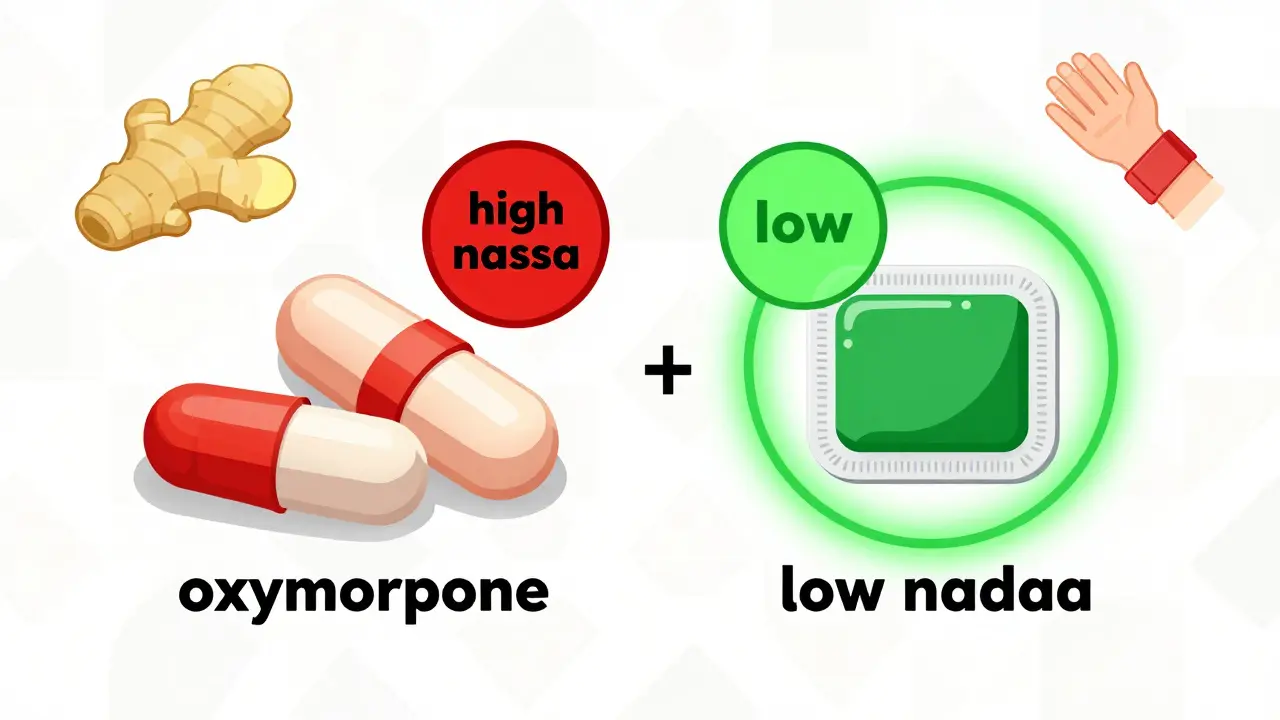
Oxymorphone has the highest nausea risk among common opioids
Recommended Alternatives
Select your current opioid to see alternatives
Switching to tapentadol may reduce nausea by 3-4 times
Personalized Recommendations
Select your current opioid to see tailored recommendations
Key Management Strategies
Diet & Nutrition
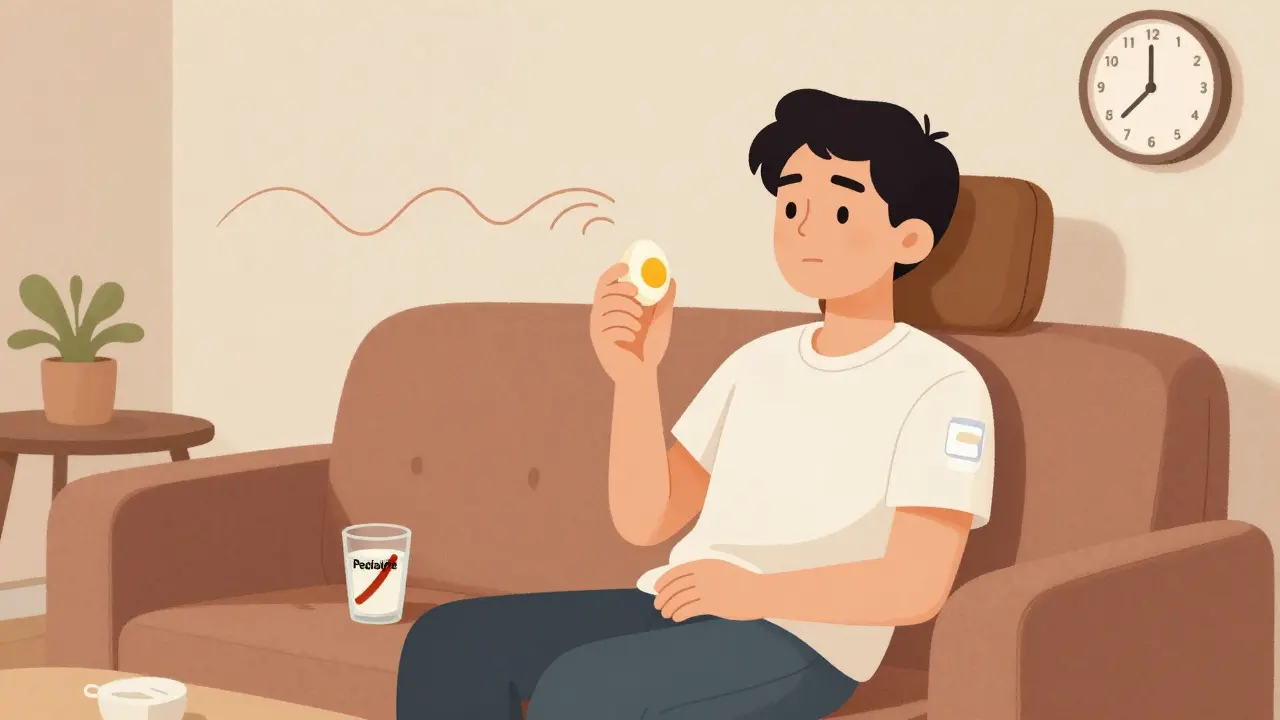
Small high-protein snacks every 2-3 hours. 63% of patients report better nausea control with protein-rich foods like Greek yogurt and hard-boiled eggs.
Hydration
Sip 2-4 ounces every 15-20 minutes. Avoid large volumes at once. Electrolyte solutions like Pedialyte can help stabilize nausea.
Medication Options
Prochlorperazine and metoclopramide show 65-70% effectiveness. Avoid ondansetron for daily use—it's expensive and less effective than alternatives.
When you're on long-term opioid therapy for chronic pain, nausea isn't just an inconvenience-it can make you quit your medication altogether. About one in five people on opioids develop persistent nausea that doesn't go away, even after the body supposedly adjusts. And for many, it's not just about feeling queasy. It's about not being able to eat, sleep, or even get out of bed without dizziness. The good news? There are real, practical ways to manage this, and they don't always involve more pills.
Why Opioids Make You Nauseous (And Why It Doesn't Go Away)
Opioids don’t just dull pain-they mess with your brain’s nausea control centers. Two key areas get overstimulated: the chemoreceptor trigger zone in your brainstem and the vestibular system in your inner ear. That’s why turning your head too fast or even lying still can trigger nausea. It’s not anxiety. It’s biology.
Most people expect nausea to fade after a few days. But about 15-20% of long-term opioid users never build tolerance. Why? It’s not just the drug-it’s your genes. If you’re a CYP2D6 poor metabolizer, your body processes codeine and tramadol differently, making nausea far more likely. Even more surprising: some opioids are simply nastier than others. Oxymorphone? High nausea risk. Tapentadol? Much lower. Switching opioids isn’t a last resort-it’s often the first smart move.
Which Opioids Are Least Likely to Cause Nausea?
Not all opioids are created equal when it comes to nausea. Based on clinical data and patient reports:
- Tapentadol - 3-4 times lower nausea risk than oxycodone
- Fentanyl patch - Less nausea than morphine in real-world use
- Oxycodone - Moderate risk, but better than oxymorphone
- Oxymorphone - Highest nausea risk among common opioids
- Morphine - Classic choice, but triggers nausea in nearly 30% of users
Switching from morphine to oxycodone or fentanyl patches helped over half of patients in a 2022 pain clinic survey. And if you’re on tramadol, switching to hydrocodone or codeine might cut nausea by 40%. This isn’t anecdotal-it’s backed by the European Association for Palliative Care’s review of over 1,500 patients.
Diet: What to Eat (and What to Avoid)
Forget bland diets. The advice to eat crackers and toast is outdated. Real patient data shows something different.
A 2023 analysis of 429 chronic pain patients on PatientsLikeMe found that 63% felt better with protein-rich snacks-like Greek yogurt, hard-boiled eggs, or a small chicken sandwich-rather than carbs. Why? Protein helps stabilize blood sugar, and low blood sugar can worsen nausea.
Here’s what actually works:
- Small meals-6 to 8 per day, 150-200 calories each
- High-protein snacks every 2-3 hours
- Low-fat foods (greasy food = nausea trigger)
- Room-temperature meals (hot smells worsen nausea)
- Avoid large meals, sugar crashes, and carbonated drinks
One patient in Calgary told me she started keeping hard-boiled eggs and almond butter packets in her purse. Within a week, her morning nausea dropped by 70%. It wasn’t magic-it was consistent fueling.
Hydration: More Water Isn’t Always Better
Doctors say drink eight glasses of water. But for opioid-induced nausea, that often backfires. Drinking too much at once stretches the stomach and triggers more nausea.
Research from the Journal of Pain and Symptom Management (2020) showed that patients who sipped 2-4 ounces every 15-20 minutes had 47% less nausea than those who chugged water. Why? Slow, steady hydration keeps your stomach calm.
And don’t just reach for plain water. Electrolytes matter. Many patients found relief with:
- Pedialyte (low sugar, balanced electrolytes)
- Coconut water (natural potassium)
- Herbal teas like peppermint or ginger (warm, not hot)
Avoid sugary sports drinks-they spike blood sugar and can make nausea worse. And skip alcohol, caffeine, and carbonated beverages. They’re all triggers.
Medications: What Actually Works (and What Doesn’t)
Not all antiemetics are equal. Here’s what the data and patient experience show:
Best First-Line Options
- Metoclopramide - Works for about 60% of patients. It speeds up stomach emptying. But beware: 65% of users report restlessness or drowsiness. Not ideal for long-term use.
- Prochlorperazine - 65-70% effective. Cheaper than ondansetron. Often used as a suppository if oral meds won’t stay down.
- Promethazine - Similar efficacy, but can cause drowsiness. Good for nighttime use.
What’s Overrated
- Ondansetron (Zofran) - Popular, expensive ($35 per dose), and only slightly better than prochlorperazine. Best for breakthrough nausea, not daily use.
- Dexamethasone - Works for chemo nausea, but only 40-50% effective for opioid-induced nausea. Not reliable.
- Haloperidol - Less effective than phenothiazines. Risk of movement disorders.
Emerging Options
A new NIH trial is testing low-dose naltrexone (0.5-1 mg daily). Early results show a 45% drop in nausea severity after 8 weeks. It doesn’t block pain relief-it just blocks the nausea signal. Still experimental, but promising.
Another drug in Phase III trials targets the kappa-opioid receptor-the exact pathway causing inner ear dizziness. If approved by 2025, it could be the first antiemetic designed specifically for opioid-induced nausea.
Non-Drug Strategies That Work
You don’t always need a prescription.
- Head rest - Lying still with your head supported reduces nausea by 35-40%. No need to close your eyes-just keep your head still.
- Ginger - Ginger chews (like Briess brand) helped 78% of users on PainNewsNetwork.org. Take 1-2 chews every 2-3 hours. Ginger tea works too.
- Acupressure wristbands - Used for motion sickness, they help some people with vestibular nausea. Worth a try-it’s low-risk.
- Slow breathing - 5 seconds in, 7 seconds out. Activates the vagus nerve and calms the nausea reflex.
One patient in Edmonton stopped vomiting after just two weeks of using ginger chews + head rest. She didn’t change her opioid dose. She just changed how she moved and what she ate.

What to Avoid
- Don’t wait until you’re nauseous to act. Start antiemetics on day one of opioid therapy.
- Don’t double up on antiemetics without medical advice. Mixing drugs can cause dangerous side effects.
- Don’t use metoclopramide for more than 12 weeks. FDA warns of irreversible movement disorders.
- Don’t ignore the nausea-anxiety cycle. Fear of nausea can make it worse. Talk therapy or mindfulness can break that loop.
When to Call Your Doctor
Call if:
- Nausea lasts more than 14 days despite stable opioid dosing
- You’re losing weight or can’t keep fluids down
- You’re considering stopping your opioid because of nausea
- You’ve tried two antiemetics without relief
Chronic opioid-induced nausea isn’t a sign you’re weak or sensitive. It’s a biological response that needs a tailored fix. The goal isn’t to eliminate opioids-it’s to make them tolerable.
Can I just stop taking my opioid if I get nauseous?
No. Stopping opioids suddenly can cause withdrawal symptoms like sweating, anxiety, and increased pain. Instead, talk to your doctor about rotating to a different opioid or adding an antiemetic. Many patients find relief without changing their pain control.
Is ginger really effective for opioid nausea?
Yes. In a survey of 89 patients, 78% reported moderate to significant relief from ginger chews. Ginger blocks serotonin receptors in the gut, which opioids overstimulate. It’s not a cure, but it’s one of the few non-drug options with consistent patient support.
Why does my nausea get worse when I move my head?
Opioids affect the vestibular system in your inner ear, which controls balance. When you move your head, your brain gets conflicting signals-your eyes say you’re still, but your inner ear says you’re moving. This mismatch triggers nausea. Keeping your head still reduces this signal conflict.
Are there any natural supplements that help?
Ginger is the only one with solid patient data. Vitamin B6 has weak evidence and may help in combination with other treatments. Avoid peppermint oil capsules-they can irritate the stomach. Always check with your doctor before starting any supplement, especially if you’re on multiple medications.
How long should I try an antiemetic before switching?
Give it 5-7 days. Antiemetics often take a few days to build up in your system. If there’s no improvement after a week, talk to your provider. Don’t wait two weeks. The sooner you adjust, the sooner you’ll feel better.
Can I use over-the-counter meds like Pepto-Bismol?
Pepto-Bismol won’t help opioid-induced nausea. It targets stomach acid and diarrhea, not the brain or inner ear pathways opioids affect. Stick to proven options like ginger, prochlorperazine, or metoclopramide. Don’t waste time on things that won’t work.
Final Thoughts
Chronic opioid-induced nausea isn’t something you have to live with. It’s not a personal failing. It’s a treatable side effect. The key is matching the fix to the cause: your body, your opioid, your triggers. Small changes-what you eat, how you sip water, whether you rest your head-can make a bigger difference than you think. And when those aren’t enough, switching opioids or trying a targeted antiemetic can restore your quality of life. You don’t have to choose between pain relief and feeling sick. There’s a better way.



Haley Gumm
23 February 2026 - 16:27 PM
I’ve been on oxycodone for 6 years, and honestly? Switching to tapentadol was the game-changer. No more morning heaves. I didn’t even realize how bad it was until it was gone. Also, ginger chews? Yes. I keep them in my car, my purse, my nightstand. 2 every 3 hours. Life-changing. 🌿
Erin Pinheiro
25 February 2026 - 00:34 AM
so like… i read this whole thing and im just like… why are we still using opioids at all?? like… i get pain but… this is a whole system built on making people sick?? and then we give them more pills to fix the pills?? i just… dont get it. 🤔
Gwen Vincent
26 February 2026 - 06:22 AM
I appreciate how practical this is. Most guides just say ‘take antiemetics’ but don’t explain *why* some work and others don’t. The part about CYP2D6 metabolism made me finally understand why my sister’s nausea vanished when she switched from tramadol to hydrocodone. Genetics matter. Also, head rest? I never thought of that. I’ve been tilting my head back on the couch like a zombie. Now I prop it. Instant improvement. 🙌
Christina VanOsdol
27 February 2026 - 22:19 PM
OMG YES. I’ve been using Pedialyte for months now. Not water. Not Gatorade. PEDIALYTE. And I swear, it’s the only thing that keeps me from puking after my 3pm dose. Also, PROCHLORPERAZINE. I get dizzy if I move too fast. This stuff? It’s like a calm button. I take it at night. I don’t care if I’m sleepy. I care that I can sleep. 😌
Alfred Noble
28 February 2026 - 02:29 AM
Small note: the part about avoiding carbonated drinks? Spot on. I used to chug soda to ‘settle my stomach’ - big mistake. It bloated me and made nausea worse. Now I sip ginger tea with lemon. Warm. Slow. No bubbles. And honestly? I feel better than I have in years. Also, fentanyl patch? Huge difference. Less nausea, more stability. Just saying.
Matthew Brooker
28 February 2026 - 05:21 AM
This is the kind of info that should be handed out with every opioid prescription. Not just a pamphlet. A real conversation. I’ve seen too many people quit their meds because they thought ‘it’s just in their head.’ It’s not. It’s biology. And we need to treat it like medicine, not a personal flaw. Thank you for writing this. I’m sharing it with my pain group.
Joseph Cantu
28 February 2026 - 09:37 AM
Who funded this? Seriously. ‘Low-dose naltrexone’? That’s the same stuff they use to ‘reset’ opioid receptors… which sounds like a corporate cover-up for the pharmaceutical industry. And why is no one talking about the fact that opioids were pushed by Big Pharma knowing this side effect? They knew. They knew. And now we’re stuck here, trying to ‘manage’ the damage. 🤡
Vanessa Drummond
1 March 2026 - 17:46 PM
I tried everything. Ginger? Too spicy. Metoclopramide? Made me twitchy. Prochlorperazine? Worked for 2 days then I felt like a zombie. Then I switched from morphine to fentanyl patch. Done. No nausea. No drama. Why didn’t my doctor suggest this sooner? Because they’re trained to stick to the script. But you? You’re not a script. You’re a person. Change your drug. Not your life.
Nick Hamby
2 March 2026 - 08:09 AM
There’s a deeper philosophical layer here: we treat chronic pain as a problem to be solved, not a condition to be lived with. But the nausea? It’s not a bug-it’s a feature of the system. The body doesn’t ‘adapt’ to opioids; it adapts to the *imbalance* they create. So perhaps the real solution isn’t just swapping drugs or adding ginger-it’s rethinking the entire paradigm of pain management. Are we trying to eliminate suffering… or just move it around? Food for thought.
kirti juneja
3 March 2026 - 20:00 PM
I’m from India, and we don’t have easy access to these meds. But ginger? We’ve used it for centuries. My grandma made ginger tea with jaggery and black pepper. I drink it every morning now. Not a cure, but a comfort. And I sleep better. That’s worth something. Thank you for validating what traditional wisdom already knew.
Gabrielle Conroy
4 March 2026 - 14:47 PM
Also-head rest? YES. I didn’t realize I was moving my head unconsciously until I started using a neck pillow. Now I just… sit still. It’s weirdly peaceful. And I swear, my nausea dropped 60%. Also, protein snacks? I started eating canned tuna and hard-boiled eggs. No more sugar crashes. I’m not ‘dieting’-I’m fueling. And it works. 🙏