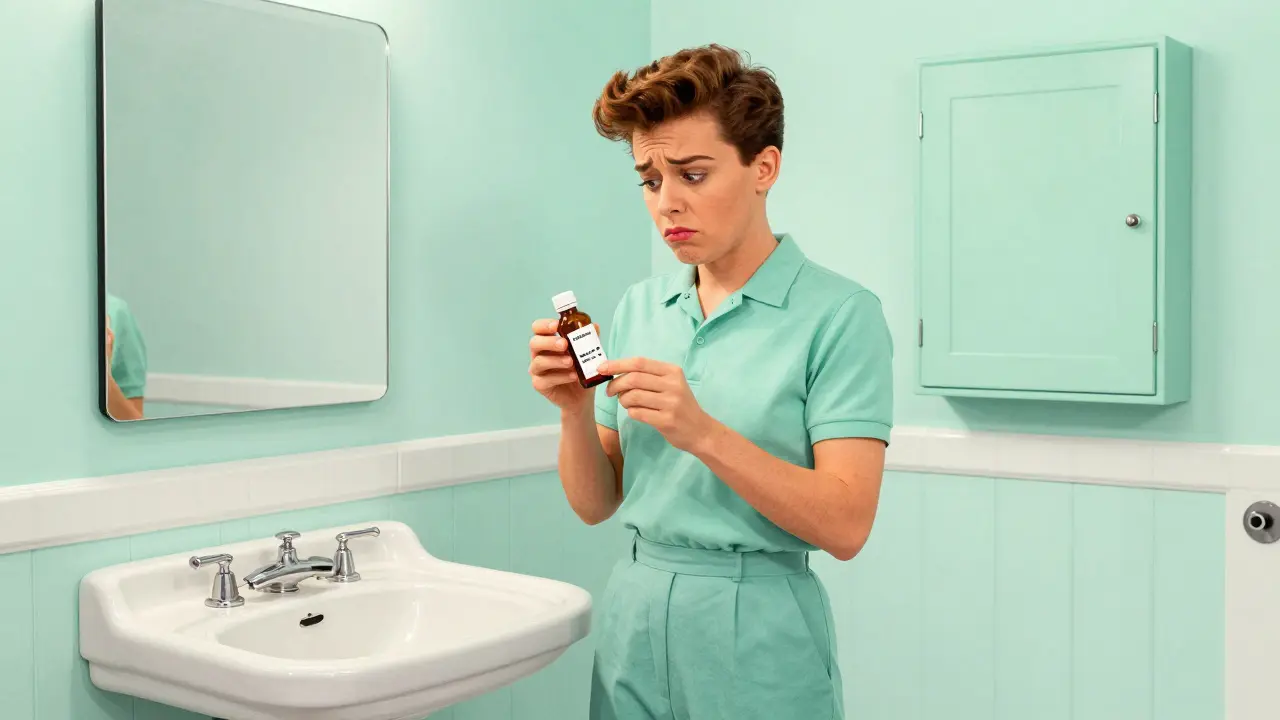
You open your medicine cabinet to grab some ibuprofen for a headache, only to realize the bottle expired six months ago. Do you toss it in the trash, or do you take the pill anyway? It's a common dilemma that pits a printed date against the practical reality of how chemicals break down. While the FDA is the federal agency responsible for protecting public health by ensuring the safety and efficacy of medications, their official stance is simple: once the date passes, there's no guarantee of safety. But is that a hard rule or a cautious guideline?
Quick Takeaways for Your Medicine Cabinet
- Most solid tablets remain effective for a while after the expiration date if stored properly.
- Liquid meds and eye drops degrade quickly and can grow bacteria; throw them away.
- Critical, life-saving meds (like nitroglycerin) must be replaced immediately.
- Visual cues like crumbling pills or cloudy liquids are red flags for disposal.
- Proper storage (cool, dry places) is the biggest factor in how long a drug actually lasts.
What an Expiration Date Really Means
An expiration date isn't a "self-destruct" timer. Instead, it's the last day the manufacturer guarantees the drug will be 100% potent and safe. Since 1979, the FDA has required these dates to ensure that when you take a dose for a specific condition, it actually works. Most Over-the-Counter Medications are non-prescription drugs available for purchase without a doctor's note have a shelf life of one to five years.
The risk isn't usually that a pill becomes a poison overnight. As PharmD James Reissig explains, very few medications become toxic; they mostly just lose their strength. The real danger is "sub-potency." If you're using an expired pain reliever for a mild ache, a 10% drop in strength is annoying. But if you're using an expired medication for a serious condition, that loss of potency could be life-threatening.
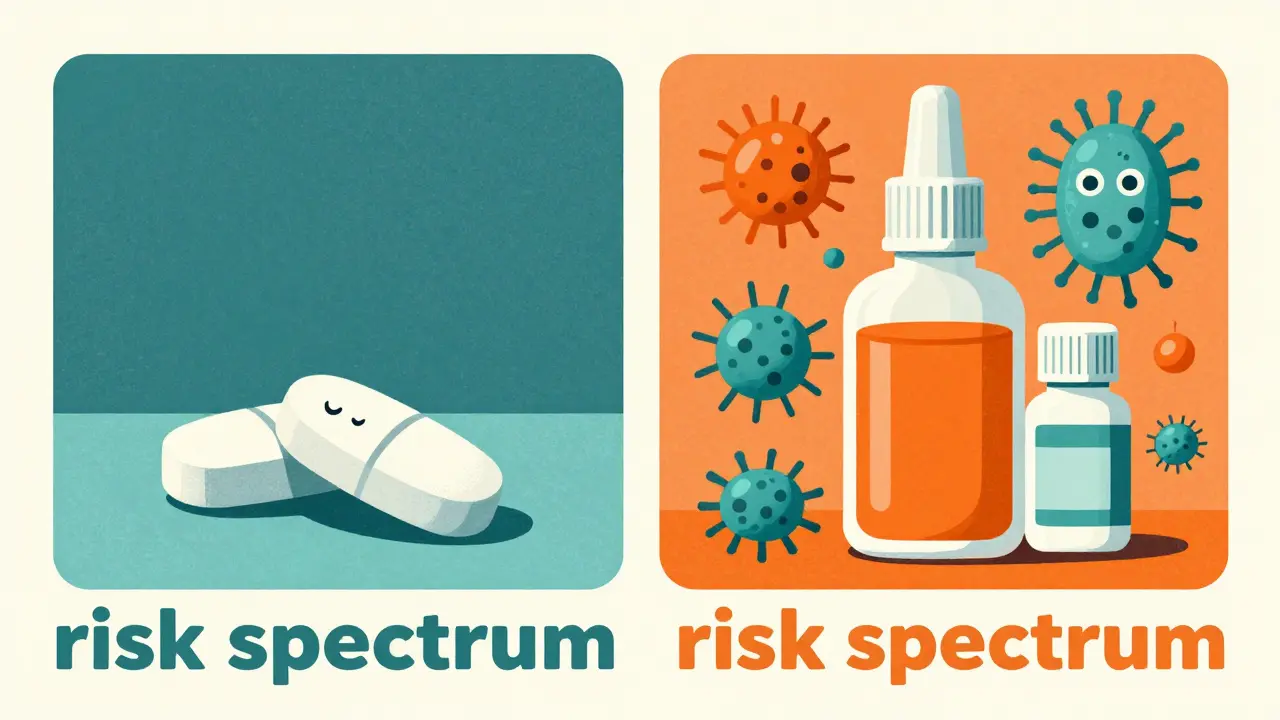
The Risk Spectrum: Which Meds are Safe and Which Aren't?
Not all drugs degrade at the same speed. The chemical structure and the form of the medication (liquid vs. pill) change the risk profile significantly. For example, solid analgesics like Acetaminophen (Tylenol) and Ibuprofen (Advil) are remarkably stable. Research from University Hospitals shows these can maintain 85-90% of their effectiveness even two years past their expiration date.
On the other hand, liquids are a different story. Syrups and suspensions are breeding grounds for microbes. Stability studies indicate that 43% of liquid medications show bacterial growth within six months of expiring. Then you have eye drops, which must remain sterile. According to Providence Health, 72% of expired eye drops develop microbial contamination within just three months. Putting contaminated drops in your eye is a fast track to a serious infection.
| Medication Type | Typical Stability | Risk Level | Primary Concern |
|---|---|---|---|
| Solid Analgesics (Ibuprofen) | High (Up to 2 years) | Low | Reduced pain relief |
| Antihistamines (Loratadine) | Very High (3-5 years) | Low | Slowed allergy relief |
| Liquid Syrups/Suspensions | Low (Months) | Moderate | Bacterial growth |
| Eye Drops | Very Low (Weeks/Months) | High | Ocular infection |
| Critical Meds (Nitroglycerin) | Low (Rapid loss) | Extreme | Treatment failure |
The Danger Zone: When Expired Meds Cause Real Harm
While a slightly weak aspirin isn't a crisis, some expired drugs are genuinely dangerous. The most notorious example is Tetracycline, an antibiotic. Historically, expired versions of this drug have been linked to Fanconi syndrome, which causes severe kidney damage. This is why pharmacists are so strict about antibiotics; using a sub-potent antibiotic doesn't just fail to cure the infection-it can contribute to antibiotic resistance, making the bacteria even harder to kill.
Similarly, medications for heart health, such as nitroglycerin sublingual tablets, can lose 50% of their potency within six months of expiring. In a cardiac emergency, a pill that only works halfway is effectively useless. If you have life-sustaining medications, the "risk vs. benefit" calculation is simple: the risk of failure far outweighs the benefit of saving a few dollars.
How Storage Changes the Game
Where you keep your medicine is almost as important as the date on the bottle. Many people store their meds in the bathroom, but the heat and humidity from the shower are a nightmare for chemical stability. FDA stability testing shows that meds stored above 30°C (86°F) lose their potency 300% faster than those kept below 25°C (77°F).
Also, keep them in their original containers. A study by University Hospitals found that pills in their original sealed bottles stay potent 40% longer than those transferred to generic plastic pill organizers. The original packaging is designed to protect the drug from light, moisture, and oxygen-the three biggest enemies of chemical stability.
Spotting a "Bad" Pill: Visual Red Flags
If you're unsure about a medication that is only a few months past its date, look for physical changes. Pharmacy575 suggests several indicators that a drug has degraded and must be tossed immediately regardless of the date:
- Texture: Tablets that crumble easily or feel soft.
- Clarity: Liquids that have become cloudy, developed precipitates (crystals), or separated into layers.
- Color: Any noticeable fading or spotting on the pill surface.
- Scent: A strong, unusual smell (some medications, like aspirin, develop a vinegary scent as they break down).
Safe Disposal Practices
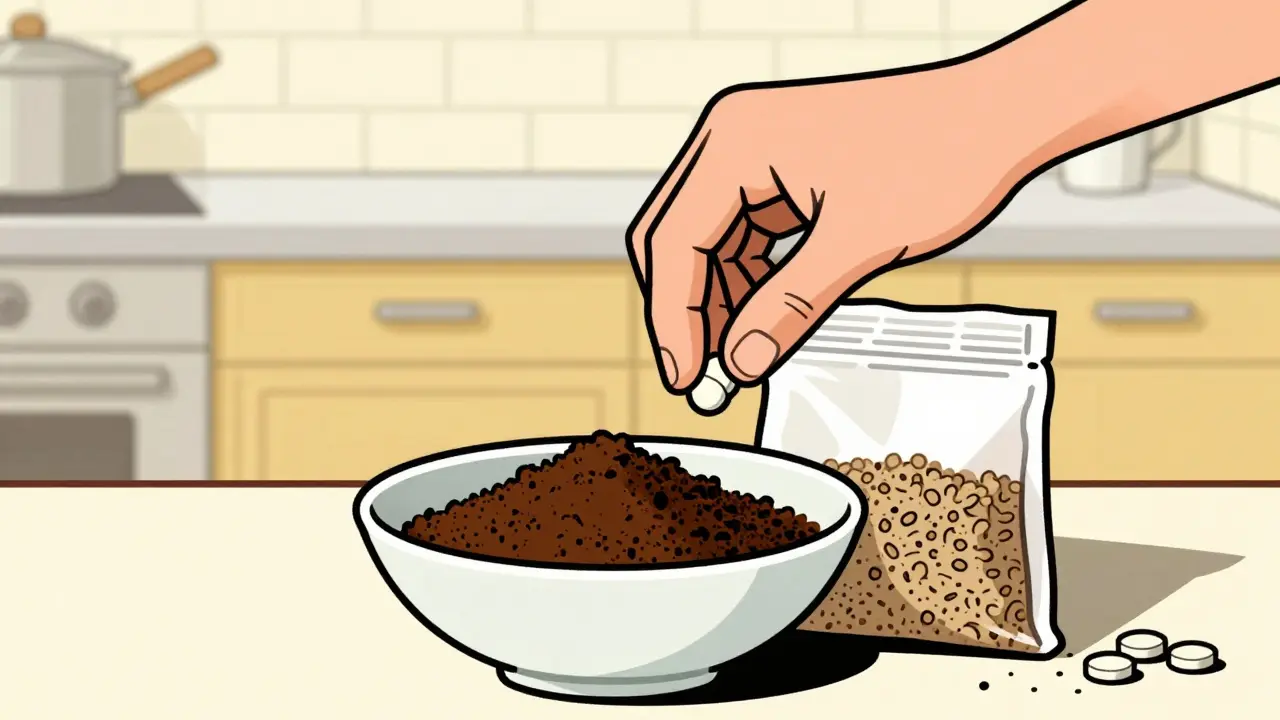
When you finally decide to clear out the cabinet, don't just throw everything in the bin where kids or pets can find it. For most solid pills, pharmacists recommend mixing them with something unappealing, like coffee grounds or kitty litter, and sealing them in a bag before tossing them in the trash. However, the FDA specifies that certain dangerous drugs, particularly opioids, should be flushed down the toilet if a professional take-back program isn't available, to prevent accidental ingestion or misuse.
Is it safe to take an expired allergy pill?
Generally, yes, if it is a solid tablet and was stored in a cool, dry place. Antihistamines like loratadine are very stable and often remain effective for years. However, you may find it takes longer to work or is less effective than a fresh bottle.
Can expired liquid medicine become toxic?
While the drug itself rarely becomes "toxic," liquid medications can become contaminated with bacteria or fungi over time. This is especially dangerous in syrups and eye drops, where contamination can lead to infections.
Why do some medications expire faster than others?
It depends on the chemical stability of the active ingredient. Some molecules break down quickly when exposed to oxygen or light, while others are very robust. Formulations like liquids are also more prone to degradation than solid tablets.
What should I do if I accidentally took an expired medication?
In most cases with OTC meds, nothing happens other than the drug not working as well. However, if you experience an adverse reaction or if the medication was a critical heart or lung drug and your symptoms aren't improving, contact a healthcare provider immediately.
Should I trust the expiration date on a generic drug?
Yes. Generic drugs must meet the same stability and potency standards as brand-name drugs. The expiration date is based on rigorous stability testing required by regulatory agencies.
Next Steps for Your Home Pharmacy
If you're cleaning out your cabinet today, start by sorting your meds into three piles: "Toss Immediately" (liquids, eye drops, antibiotics, and critical heart meds), "Maybe Okay" (solid pain relievers and allergy meds a few months past date), and "Keep" (current meds). Moving forward, try storing your medications in a linen closet or a cool bedroom drawer rather than the bathroom to maximize their actual shelf life. If you're managing a complex health condition, don't gamble-replace your medications as soon as they hit their date to ensure your treatment stays consistent.

Sam Hayes
5 April 2026 - 14:02 PM
pretty much the standard consensus in pharmacy schools. most solids are stable because they're just crystals in a binder and don't react with air much
simran kaur
7 April 2026 - 08:06 AM
Oh please, as if we should trust the FDA to tell us what is "safe." The expiration dates are just a clever way to force us into a cycle of constant consumption and waste so big pharma can keep the profits rolling in. It's all a choreographed dance of planned obsolescence designed to keep you dependent on the system and paying premium prices for things that don't actually degrade for a decade. Truly naive to think a government agency has our best interests at heart when they're essentially in the pocket of the manufacturers. I've seen studies from independent sources that suggest many of these dates are completely arbitrary and based on the lowest common denominator of storage conditions. The arrogance of pretending this is about "public health" is simply staggering.
Will Baker
7 April 2026 - 20:13 PM
Wait, so you're telling me I've been flushing my ibuprofen for years like a good little citizen? How charming!! 🙄
Joey Petelle
8 April 2026 - 02:30 AM
Imagine actually trusting a bottle's date over your own god-given intuition. It's just chemistry, people. A little bit of potency loss is a small price to pay for not being a corporate slave to the 'best by' industrial complex. Absolutely peak American efficiency to throw away perfectly good chemicals just because a piece of cardboard says so. The sheer lack of intellectual fortitude in this thread is almost impressive.
Mark Zhang
8 April 2026 - 23:47 PM
I totally get why this is stressful. It's hard to know when to trust your gut and when to follow the rules. Just remember that your health is the priority here, so taking a cautious approach is always a win.
Joseph Rutakangwa
10 April 2026 - 01:32 AM
keep them in a cool drawer not the bathroom
Dee McDonald
11 April 2026 - 07:44 AM
GET RID OF THE LIQUIDS NOW!! I can't believe some people actually risk an eye infection just to save five bucks on a bottle of drops. It is absolutely reckless to ignore the bacterial risk in aqueous solutions. Wake up and clean out your cabinets before you end up in the ER over something this preventable!
Rachelle Z
12 April 2026 - 09:49 AM
Wow... just wow!!! I've been keeping my meds in the bathroom for ten years... my life is basically a tragedy at this point!!!! 😱💊✨
Vicki Marinker
12 April 2026 - 10:38 AM
The prose in this post is surprisingly pedestrian, yet the conclusion that one should simply trust a pharmacist is dreadfully unimaginative. I find the obsession with "stability studies" to be a tedious distraction from the reality that most people simply don't care.
Aysha Hind
13 April 2026 - 10:03 AM
Typical corporate propaganda. The "stability" they talk about is a smokescreen for the toxins they sneak into the binders anyway. You're basically eating a chemical cocktail regardless of the date, so why bother worrying about a few months of degradation? It's all a scam to make us feel like we have control over our health while they manipulate the supply chain from the shadows.
Hope Azzaratta-Rubyhawk
14 April 2026 - 09:48 AM
It is absolutely imperative that you follow the guidelines for critical medications! There is no room for error when it comes to heart health, and I will not tolerate the idea of people gambling with their lives for the sake of convenience!
Jenna Carpenter
14 April 2026 - 16:29 PM
honestly just look at the pill... if it looks weird toss it. its not that hard lol some of you are overthinking this way too much