Narrow Therapeutic Index Drugs: Why Small Dose Changes Matter
When a drug has a narrow therapeutic index, a range between the effective dose and the toxic dose that’s very small. Also known as NTI drugs, these medications demand extreme precision—because a little too much can hurt you, and a little too little won’t help at all. Think of it like walking a tightrope: one misstep, and you’re in danger. Drugs like warfarin, levothyroxine, phenytoin, and cyclosporine fall into this category. They’re life-saving when used right, but even small variations in how your body absorbs them can lead to serious side effects or treatment failure.
This is why bioequivalence, how closely a generic drug performs compared to the brand-name version matters so much for NTI drugs. The FDA, the U.S. agency that regulates drugs and ensures they’re safe and effective doesn’t treat all generics the same. For regular meds, a 20% difference in absorption is acceptable. For NTI drugs? It’s cut to 10% or less. That’s not just bureaucracy—it’s patient safety. If your generic warfarin gets absorbed a bit faster or slower, your blood could clot when it shouldn’t—or bleed uncontrollably. The same goes for thyroid meds: too much levothyroxine can wreck your heart; too little leaves you exhausted and sluggish.
These aren’t theoretical risks. Real people have been hospitalized because a switch to a "same" generic caused a dangerous shift in drug levels. That’s why pharmacies and doctors often stick with the same brand or generic for NTI drugs unless absolutely necessary. It’s not about brand loyalty—it’s about stability. And when a new generic enters the market, the FDA requires extra testing to prove it won’t throw your treatment off balance. You might not see the difference on the label, but behind the scenes, the science is much stricter. Below, you’ll find clear breakdowns of how these rules protect you, why some generics are held to higher standards, and what you should ask your pharmacist before switching. This isn’t just about pills—it’s about keeping your body in balance.

Switching Between Generic Medications: What You Need to Know
Switching between generic medications is common and saves money, but for some drugs like thyroid meds or blood thinners, it can affect how well they work. Learn which generics are safe to swap and when to speak up.
Read More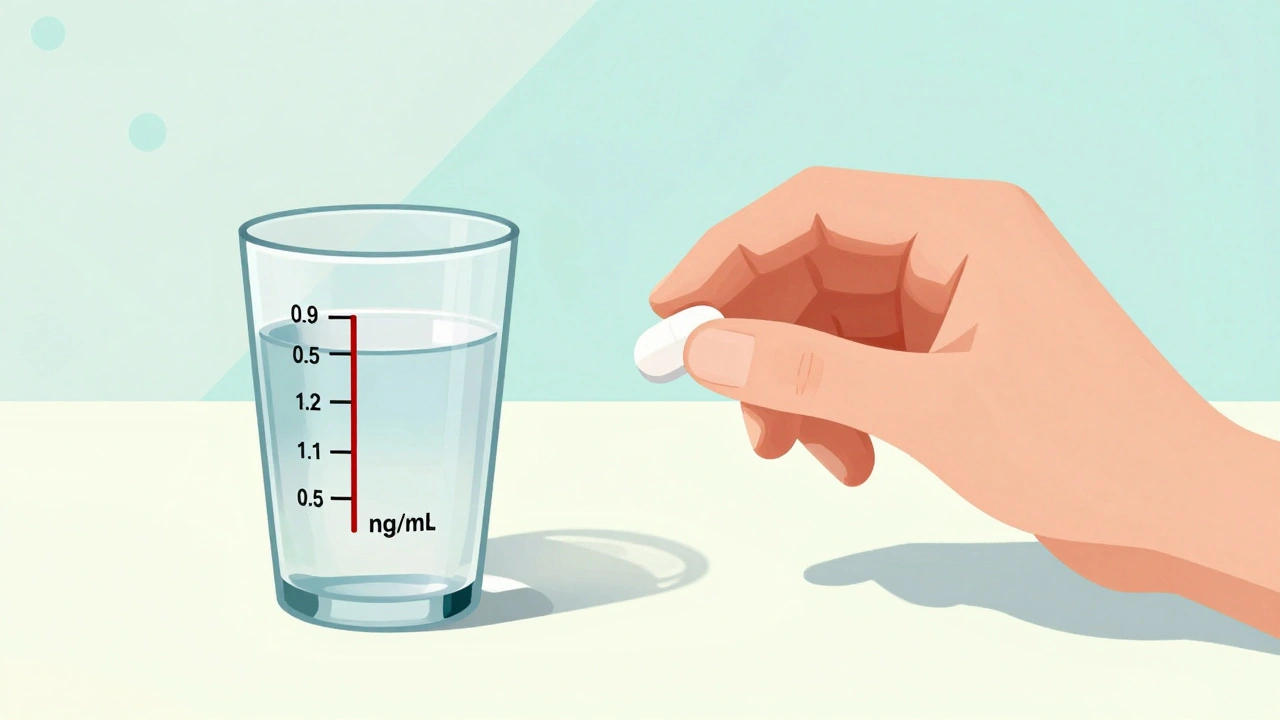
Medications with a Narrow Therapeutic Index: Why Expiration Dates Matter More Than You Think
Narrow therapeutic index drugs like warfarin, lithium, and digoxin require extreme precision. Even minor potency loss after expiration can lead to life-threatening consequences. Here's why you must never use expired NTI medications.
Read More