Brand vs Generic: What Really Matters When Choosing Medications
When you pick up a prescription, you might see two options: the brand vs generic choice. Many assume the brand-name version is better—stronger, safer, more reliable. But that’s not always true. The generic drug, a medication that contains the same active ingredient as a brand-name drug and is approved by the FDA as bioequivalent. Also known as nonproprietary drug, it’s legally required to work the same way in your body—no more, no less. The FDA doesn’t approve generics because they’re cheaper. They approve them because they’re proven to be just as effective and safe.
Here’s the catch: not all drugs are created equal. For medicines with a narrow therapeutic index, drugs where small changes in dose can cause serious harm or treatment failure—like warfarin, lithium, or digoxin—bioequivalence standards are tighter. Even tiny differences in how a generic is absorbed can matter. That’s why the FDA Office of Generic Drugs, the division responsible for reviewing and approving all generic medications in the U.S. treats these drugs differently. They don’t just check if the pill looks the same. They test how your body handles it. If the generic doesn’t match the brand within strict limits, it doesn’t get approved.
Most of the time, though, generics work exactly like the brand. You’re not getting a lesser version. You’re getting the same medicine, often made in the same factory, just without the marketing budget. The savings? Up to 85%. That’s not a trick. That’s science. And it’s why millions of people rely on generics every day without a single issue. But if you’ve ever switched and felt something off—more side effects, less control, weird symptoms—you’re not imagining it. Sometimes, especially with NTI drugs, the switch matters. That’s why your pharmacist should always ask if you’re okay with the switch, and why your doctor should know if you’ve had problems before.
Don’t let the name fool you. A generic isn’t a backup plan. It’s the standard. And the FDA’s approval process under the Hatch-Waxman Act, the law that created the modern pathway for generic drug approval in the U.S. makes sure of it. You don’t need to pay extra for the same active ingredient. But you do need to know when to speak up—especially if you’re on a drug where precision matters.
Below, you’ll find real-world breakdowns of how generics are tested, when they might not be the best choice, and what to watch for if you switch. We’ll cover the hidden risks, the science behind bioequivalence, and why some people swear by one brand over another—even when the FDA says they’re identical. This isn’t about marketing. It’s about your health, your wallet, and knowing exactly what you’re taking.
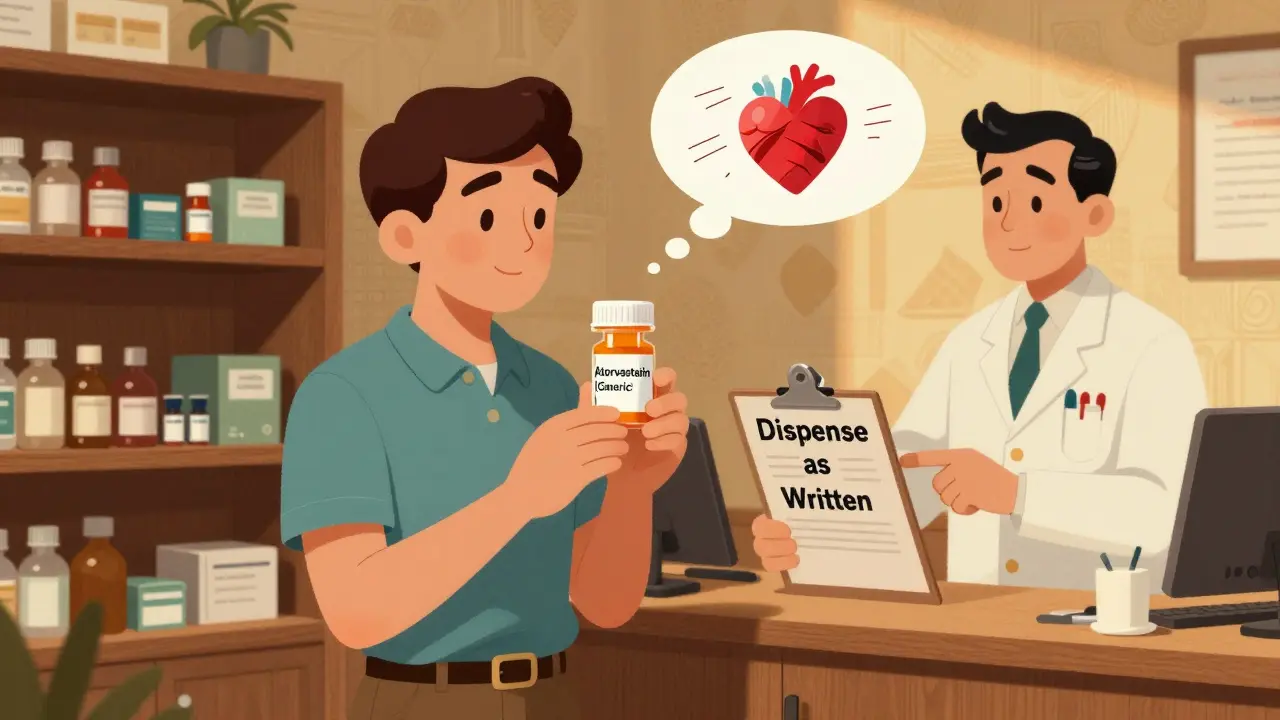
How to Handle Insurance Requirements for Generic Substitution
Learn how to navigate insurance rules for generic drug substitution, when to demand brand-name medications, and how to avoid dangerous switches without breaking the bank.
Read More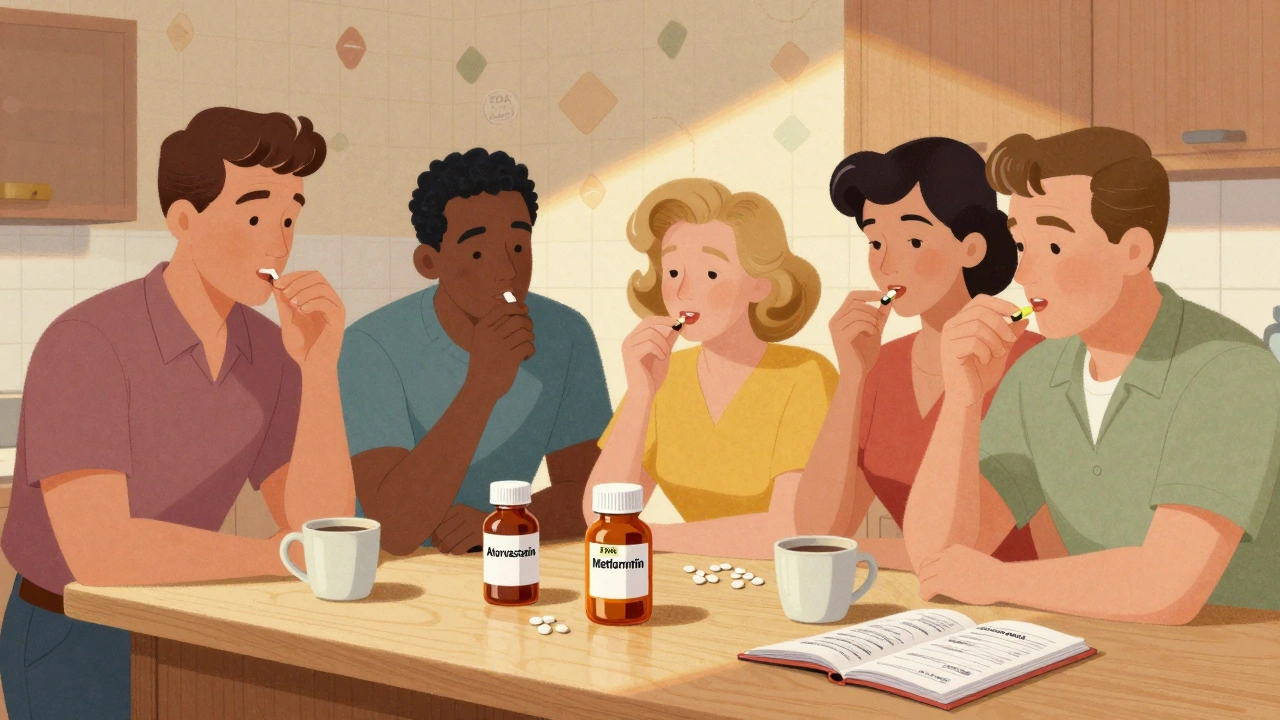
Chronic Conditions: How to Adjust to Generic Maintenance Medications Without Compromising Your Health
Switching to generic maintenance medications can save hundreds per month, but it’s not always smooth. Learn how to adjust safely, spot red flags, and when to insist on staying on brand.
Read More