The Three Types of Medication Interactions
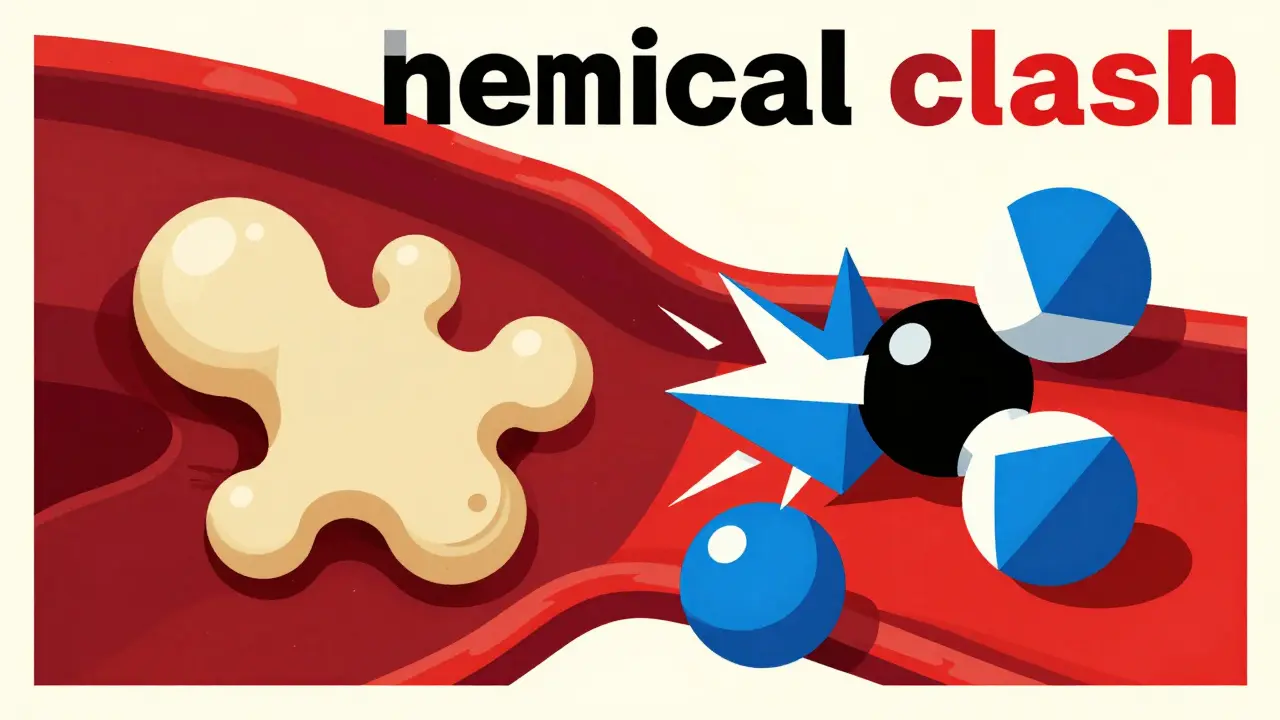
It isn't just about two pills clashing. To stay safe, you need to recognize that your body processes everything you ingest as a chemical signal. There are three primary ways things can go wrong:- Drug-Drug Interactions: This happens when two medications react. For example, taking an NSAID like ibuprofen while on a prescription anticoagulant can skyrocket your risk of internal bleeding.
- Drug-Food/Drink Interactions: What you eat matters. The American Heart Association warns that even healthy foods can interfere with meds. A classic example is how foods high in tyramine (like aged cheeses) can cause a dangerous blood pressure spike for people taking MAO inhibitors for depression.
- Drug-Condition Interactions: This is when a medication is risky because of a health problem you already have. If you have glaucoma or an enlarged prostate, some common OTC antihistamines can make your symptoms much worse.
High-Risk Combinations You Should Know
Some combinations are more dangerous than others. You don't need to be a pharmacist to spot the red flags, but you should be aware of these common culprits.| OTC Medication Class | Prescription Drug | Potential Risk/Effect |
|---|---|---|
| NSAIDs (Ibuprofen, Naproxen) | Blood Thinners (Warfarin) | Increased risk of gastrointestinal bleeding (2-4x higher) |
| NSAIDs | Blood Pressure Meds (ACE Inhibitors) | Can raise blood pressure by 5-15 mmHg, reducing drug efficacy |
| Antacids (Aluminum/Magnesium) | Digoxin (Heart Medication) | Can reduce drug absorption by up to 25% |
| SSRIs (Antidepressants) | Dextromethorphan (Cough Suppressant) | Risk of Serotonin Syndrome (excess serotonin in the brain) |
| PPIs (Omeprazole) | Levothyroxine (Thyroid Med) | Reduced absorption of thyroid hormone |
The Acetaminophen Trap: The Danger of Overlap
One of the most frequent mistakes people make is "medication overlap." This happens when you take two different products that contain the same active ingredient without realizing it. Acetaminophen is the biggest offender here. You might take a Tylenol for a headache and then take a multi-symptom cold medicine for a runny nose. Both often contain acetaminophen. If you exceed 4,000mg in a 24-hour period, you risk acute liver failure. Because it's hidden in so many "combo" products, many people accidentally hit 7,000mg or more, which is a medical emergency. Always read the "Drug Facts" label to see if you are double-dosing on the same active ingredient.Why Your Age and Health History Change the Risk
Not everyone processes drugs the same way. If you fall into certain groups, the risk of a bad interaction is much higher:- Seniors: Elderly patients often take five or more prescription medications. This increases the likelihood of a "cascade effect" where one OTC drug triggers a reaction that requires a new prescription, which then reacts with another OTC drug.
- Kidney and Liver Disease Patients: Since your liver and kidneys are the primary filters for medication, any impairment means drugs stay in your system longer, increasing the chance of toxicity.
- Chronic Condition Patients: If you have hypertension or diabetes, your body's baseline chemistry is already altered, making you more sensitive to how NSAIDs or decongestants affect your blood pressure.
How to Prevent a Dangerous Interaction
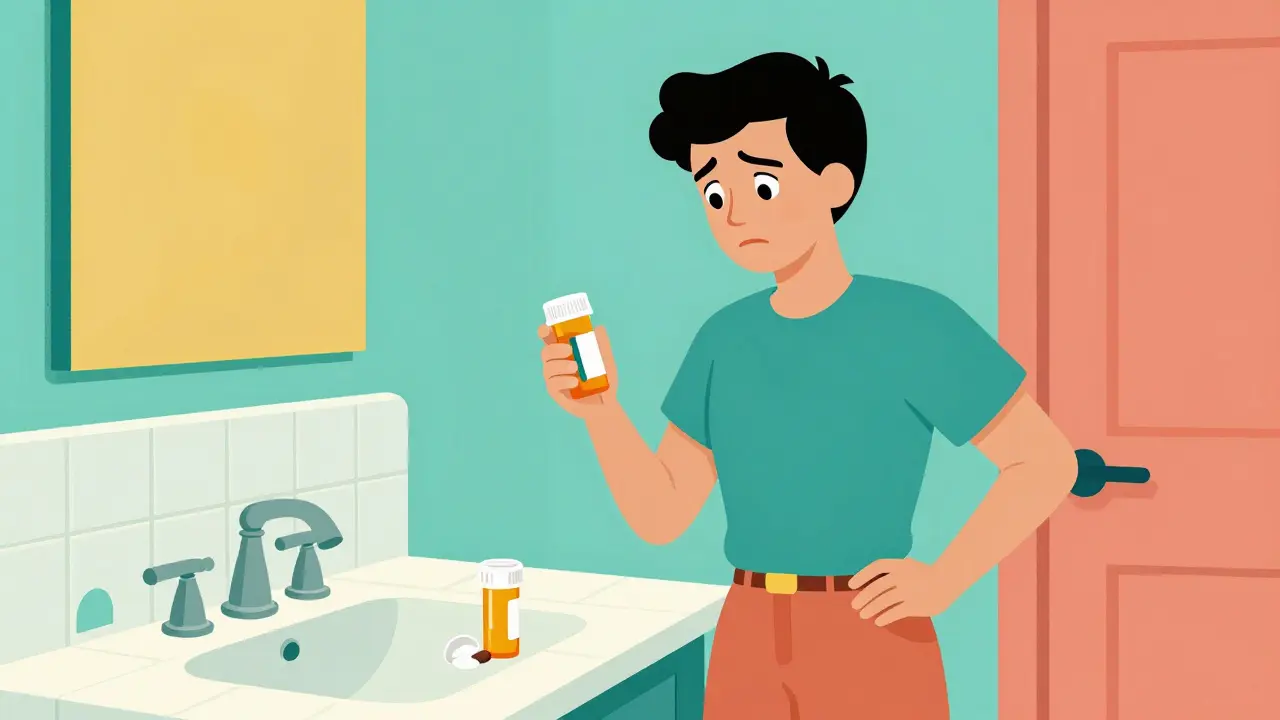
Stopping a bad interaction starts with better communication. A WebMD survey found that 67% of patients don't tell their doctors about the OTC meds they use. This creates a dangerous blind spot for your physician.Here is a practical strategy to stay safe:
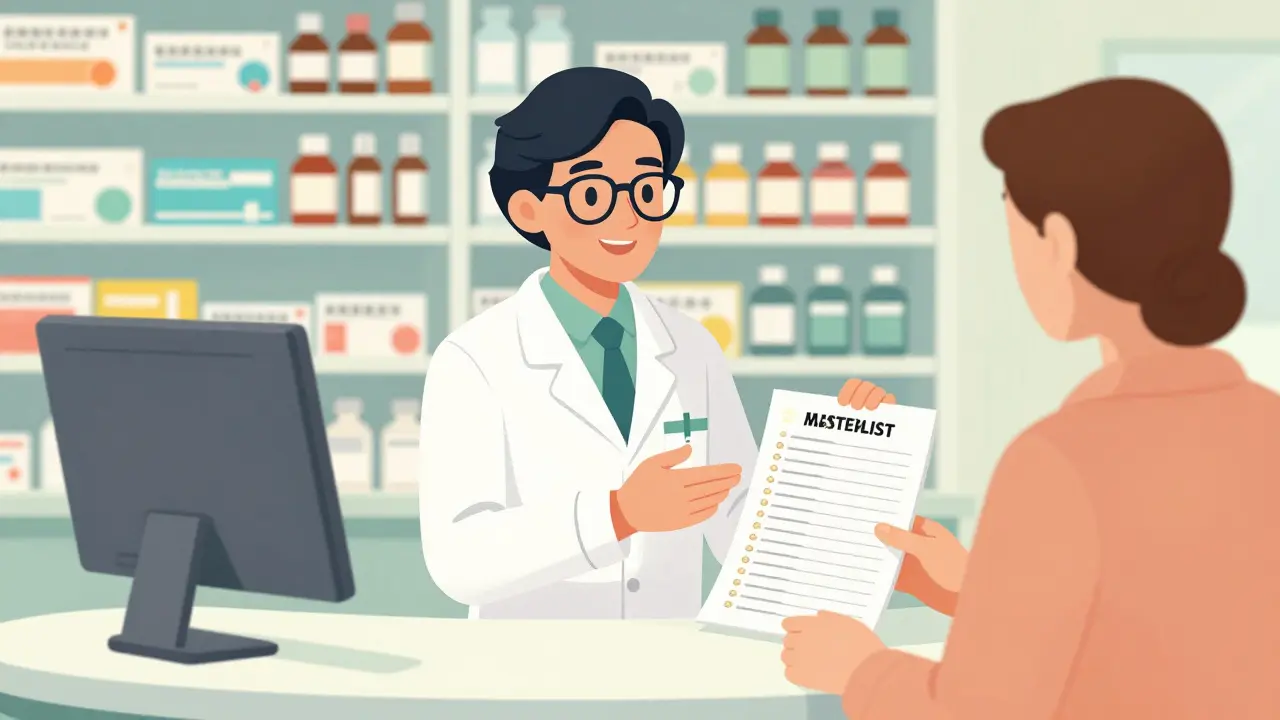
- Build a Master List: Keep a running document of every prescription, OTC drug, vitamin, and herbal supplement you take. Include the dose and why you take it.
- The Pharmacist Shortcut: Your pharmacist is your best resource. They have specialized software that flags interactions. Before you buy a new OTC product, ask: "I'm currently taking [Prescription X], is this safe to use with it?"
- Check the "Active Ingredients": Don't look at the brand name; look at the chemical name. If you see "ibuprofen" in two different boxes, you can't take both.
- Use Interaction Checkers: Tools like the WebMD Drug Interaction Checker can provide a quick first-pass screening, though they should never replace professional medical advice.
Can I take ibuprofen if I'm on a blood pressure medication?
It is generally risky. NSAIDs like ibuprofen can cause your body to retain sodium and fluid, which can increase your blood pressure and make your antihypertensive drugs less effective. Always consult your doctor for a safer alternative, such as acetaminophen, depending on your health history.
What is the maximum safe dose of acetaminophen?
For most healthy adults, the absolute maximum is 4,000mg in 24 hours. However, many doctors recommend staying below 3,000mg to be safe. Be careful with "all-in-one" cold and flu medicines, as they often contain acetaminophen in addition to other ingredients.
Do herbal supplements count as OTC medications?
While they aren't always labeled as "medications," herbal supplements are chemicals that can cause severe interactions. For example, St. John's Wort can significantly reduce the effectiveness of birth control pills and certain heart medications. Treat them with the same caution as a drug from the pharmacy.
Why do some antacids interfere with heart medication?
Antacids containing magnesium or aluminum can bind to other drugs in the stomach, preventing them from being absorbed into the bloodstream. For example, they can reduce the absorption of digoxin by up to 25%, which could lead to poor heart rate control.
What should I do if I think I've had a drug interaction?
If you experience sudden dizziness, shortness of breath, severe stomach pain, or a rash, seek medical attention immediately. Bring the bottles of all medications you have taken so the doctors can identify the exact chemicals causing the reaction.