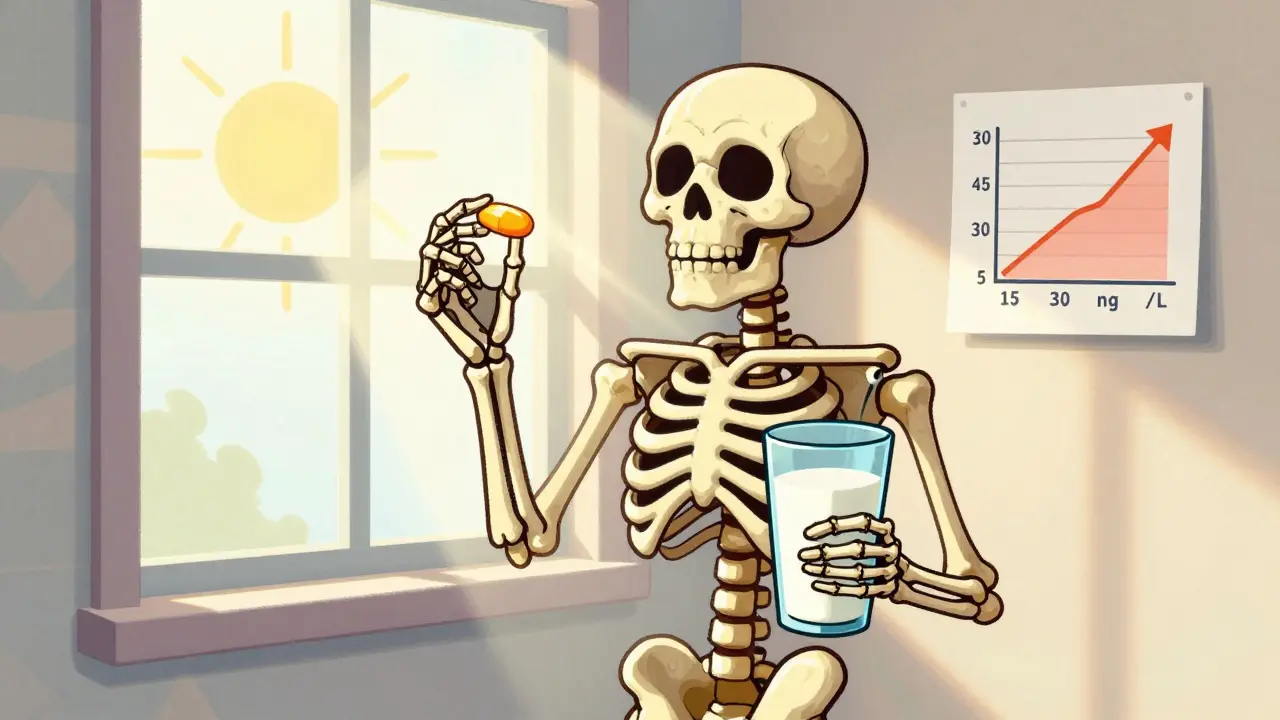
Why Vitamin D Matters for Your Bones
Without enough vitamin D, your bones don’t just weaken-they start breaking down. This isn’t just about older adults. Even if you feel fine, low vitamin D means your body can’t absorb calcium properly. You might be eating dairy, taking calcium pills, and still losing bone density because your body lacks the key that unlocks calcium absorption. Vitamin D does more than help bones harden. It keeps your muscles strong enough to keep you from falling, which is just as important as having dense bones. If your muscles are weak, even a small stumble can lead to a hip fracture.
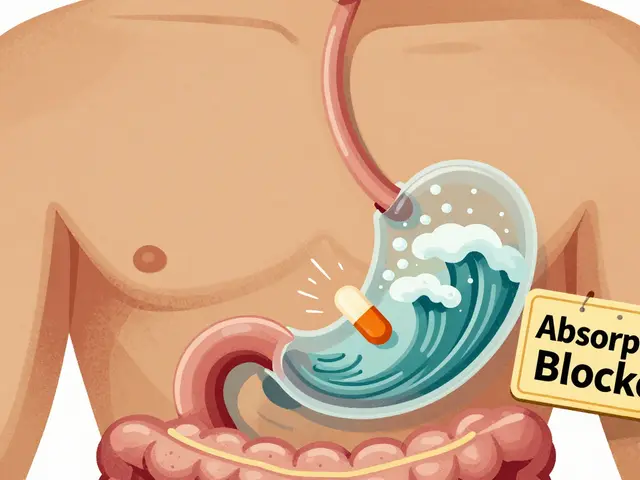
Back in the 1920s, scientists figured out vitamin D cured rickets-the childhood disease that caused bowed legs and soft skulls. Today, we know it’s not just for kids. The International Osteoporosis Foundation says vitamin D helps your body absorb 60-80% of the calcium from food. Without it? That number drops to 10-15%. That’s a huge gap. And it’s why people with low vitamin D levels, even if they eat well, still end up with fragile bones.
The Numbers: What’s a ‘Good’ Vitamin D Level?
For years, doctors said you needed at least 30 ng/mL of 25-hydroxyvitamin D in your blood to be healthy. That’s what the Endocrine Society recommended. But recent studies are turning that idea upside down.
The VITAL trial, led by Harvard researchers, followed over 25,000 people for five years. They gave some 2,000 IU of vitamin D daily and others a placebo. The result? No difference in fracture rates. That’s huge. If you thought popping a daily supplement would protect your bones, this study says otherwise-for most healthy adults.
Now, the real question isn’t just ‘how much?’ but ‘who needs it?’ The data shows that if your blood level is below 20 ng/mL, you’re deficient. Between 21 and 29 ng/mL? Insufficient. But here’s the catch: people who were already above 30 ng/mL didn’t get any extra bone protection from taking more. In fact, some studies found that taking too much-like 4,000 or 10,000 IU daily-actually lowered bone density over time. One 2020 JAMA study showed that people taking 10,000 IU daily lost more bone in their wrists and shins than those taking 400 IU.
D3 vs. D2: Which Supplement Should You Choose?
Not all vitamin D is the same. There are two main forms: D2 (from plants) and D3 (from animals and sunlight). D3 is the clear winner. A 2011 study showed it’s 87% more effective at raising your blood levels than D2. That means if you’re taking a supplement, look for cholecalciferol-not ergocalciferol.
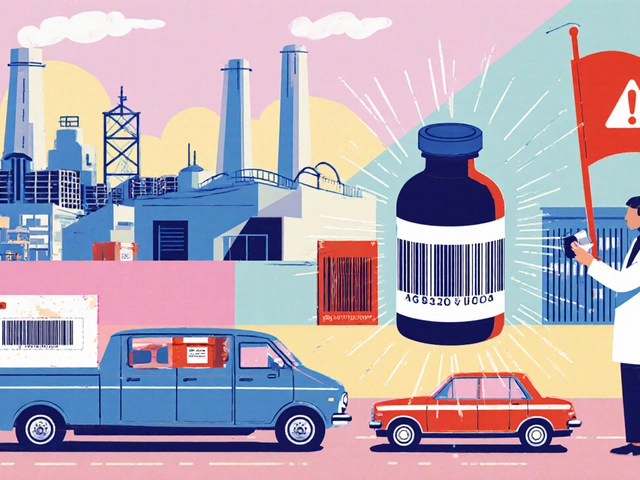
And don’t assume all brands are equal. ConsumerLab’s 2022 test found that 15% of vitamin D supplements contained less than 90% of what was on the label. One brand, NOW Foods Vitamin D-3 5,000 IU, had only 72% of the stated amount. On the flip side, Garden of Life Vitamin Code Raw D3 2,000 IU had 128% of the labeled dose. That’s a massive variation. If you’re paying for a specific dose, you deserve to get it. Stick to brands that are third-party tested.
Who Actually Benefits from Vitamin D Supplements?
The answer isn’t everyone. It’s people with low levels.
A 2020 meta-analysis in the Journal of Bone and Mineral Research looked at 771 healthy adults over 60. Most had baseline vitamin D levels above 20 ng/mL. For them, 2,000 IU daily made zero difference in bone density. But for the 25% with levels below 14.2 pmol/L (about 19 ng/mL), supplementation actually helped. Their spine density improved slightly, and they lost less bone in their hips.
Another study found that calcium and vitamin D together reduced hip fractures by 30%-but only in people who were deficient. At higher doses, the benefit vanished. In fact, when vitamin D intake went above 400 IU per day, there was no improvement in femoral neck bone density at all. That’s the opposite of what most people assume.
So if you’re healthy, eat fish occasionally, get some sun, and take a multivitamin, you probably don’t need more. But if you’re over 65, live in a northern climate like Calgary, have dark skin, or rarely go outside, you might be in the group that actually needs it.
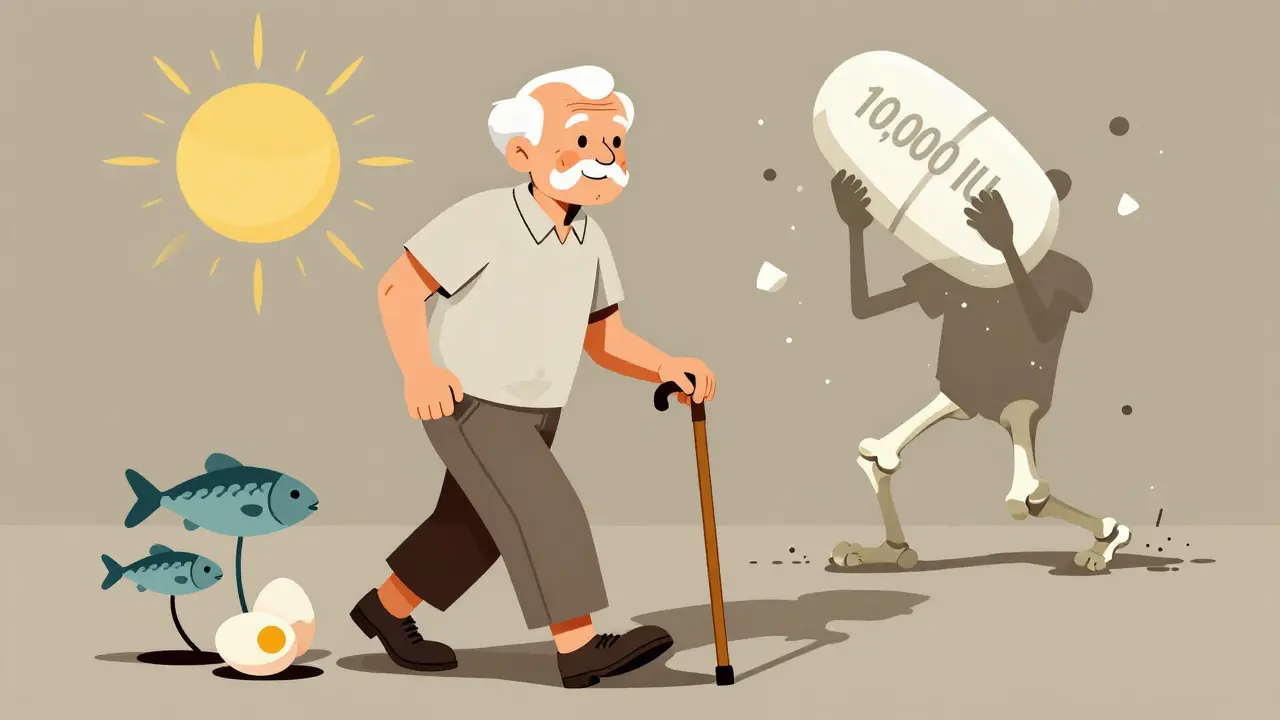
When More Is Worse: The High-Dose Trap
It’s easy to think ‘more is better.’ But with vitamin D, that’s dangerous.
Some people, desperate to fix bone loss, take 5,000 or 10,000 IU daily. One Reddit user reported a 2.1% improvement in spine density after going from 1,000 IU to 5,000 IU. Another said their femoral neck density dropped 3.7% after two years of 10,000 IU. That’s not a coincidence. The science is clear: high-dose daily vitamin D can hurt your bones.
The JAMA study from 2020 showed that 10,000 IU daily for three years led to lower bone density in the radius and tibia. Why? Too much vitamin D can overstimulate bone turnover. Your body starts breaking down old bone faster than it builds new bone. It’s like revving your car engine too high-it wears out the parts.
The VITAL trial’s lead researcher, Dr. Meryl LeBoff, put it bluntly: ‘Healthy men 50+ and women 55+ who took 2,000 IU daily had no fewer fractures than those who took placebo.’ That’s not a recommendation to take more. It’s a warning: if you’re not deficient, you’re not helping.
How to Take It Right: Timing, Food, and Dosing
How you take vitamin D matters as much as how much.
Take it with your biggest meal of the day. A 2015 study found absorption jumped 56.7% when taken with dinner compared to fasting. Fat helps your body absorb it. That’s why swallowing a pill on an empty stomach is a waste.
For people with obesity (BMI 30+), vitamin D gets trapped in fat tissue. Studies show they need nearly double the dose to reach the same blood levels as someone with normal weight. That’s not a suggestion-it’s a medical reality.
And don’t test your levels too soon. After changing your dose, wait three months before retesting. Vitamin D takes time to stabilize in your bloodstream. Testing after a week or two gives you false info.
Food Sources: Can You Get Enough from Diet Alone?
Fatty fish like salmon has about 570 IU per 3-ounce serving. Fortified milk gives you 100 IU per cup. An egg yolk? 44 IU. Even if you eat salmon every day and drink three glasses of milk, you’re still under 1,000 IU. That’s not enough for most people, especially in winter.
That’s why supplements are necessary for many. But the goal isn’t to replace food-it’s to fill the gap. Food gives you nutrients that work together. Supplements are just one piece.
What Experts Actually Recommend Today
The guidelines are all over the place. The National Osteoporosis Foundation says 800-1,200 IU daily for adults over 50. The European Society says 800-1,000 IU for everyone over 60. The U.S. Preventive Services Task Force says don’t bother unless you’re at high risk for falls or fractures.
But here’s what the best science says now: Test your levels first. If you’re below 20 ng/mL, take 1,000-2,000 IU daily until you’re above 30. Then stop increasing. If you’re above 30, you don’t need more. And if you’re taking more than 2,000 IU daily without a doctor’s advice, you’re risking harm.
And skip the mega-doses. Monthly 60,000 IU pills? The D-Health Trial is still ongoing, but early data suggests they’re not safer than daily doses. The risk of toxicity and bone loss remains.
Final Takeaway: Don’t Guess. Test.
Vitamin D isn’t a magic bullet. It’s a tool. And like any tool, it only works if you use it right.
If you’re healthy, active, and get some sun, you’re probably fine. If you’re over 60, live in a northern city, have dark skin, or have osteoporosis, get your blood tested. Don’t rely on symptoms-you can be deficient and feel fine.
Supplement only if needed. Take D3 with food. Avoid doses over 2,000 IU unless your doctor says so. And remember: calcium without vitamin D is useless. But vitamin D without calcium? Also useless. They work together.
The biggest mistake people make? Taking supplements because they think it’s ‘good for bones.’ The truth? It’s only good for bones if you’re deficient. Everything else is noise-and sometimes, it’s harmful.
Frequently Asked Questions
Can I get enough vitamin D from sunlight alone in Calgary?
In Calgary, from October to March, the sun isn’t strong enough for your skin to make vitamin D. Even in summer, if you wear sunscreen, cover up, or stay indoors most of the day, you won’t make enough. Most people here need a supplement during the long winter months.
Is 5,000 IU of vitamin D daily safe?
For most people, 5,000 IU daily is unnecessary and potentially harmful. Studies show doses above 2,000 IU don’t improve bone density and can lower it over time. Only take this much if you’re severely deficient and under medical supervision. The risk of bone loss, kidney stones, and calcium buildup in blood vessels increases with high doses.
Should I take vitamin D with calcium?
Yes-if you’re deficient and your doctor recommends it. But don’t combine them unless you need both. Many people take calcium supplements they don’t need, and the combo can cause constipation or kidney stones. If you eat dairy, leafy greens, or fortified foods, you likely get enough calcium. Focus on vitamin D first.
How often should I get my vitamin D levels checked?
If you’re supplementing, check once a year-ideally in early spring, after winter. If you’re taking more than 2,000 IU daily, check every 3-6 months. If you’re not supplementing and feel fine, testing isn’t needed unless you have risk factors like osteoporosis, obesity, or limited sun exposure.
Do I need vitamin D if I have osteoporosis?
Yes, but not necessarily in supplement form. If your levels are below 30 ng/mL, your doctor will likely recommend 800-1,000 IU daily. But vitamin D alone won’t fix osteoporosis. It’s part of a plan that includes weight-bearing exercise, protein intake, and possibly prescription meds like bisphosphonates or eldecalcitol.



Peyton Feuer
5 January 2026 - 01:50 AM
i was just gonna take 5k daily because everyone says it's 'good for you' but this actually made me stop and think. i live in seattle and thought i was being smart. turns out i might've been hurting myself. thanks for the clarity.
Angie Rehe
6 January 2026 - 06:01 AM
The VITAL trial's null findings are statistically significant and clinically relevant. You're conflating correlation with causation if you assume supplementation benefits non-deficient populations. The hormetic response curve for vitamin D is inverted-U shaped, not linear. Excess 25(OH)D upregulates CYP24A1, accelerating catabolism and paradoxically increasing bone resorption via osteoclast activation. This isn't anecdotal-it's endocrine physiology.
Siobhan Goggin
8 January 2026 - 05:32 AM
I've been taking 1000 IU every day since last winter and my bone density scan improved. I'm not a scientist but I trust my body and my doctor. If it works, why overcomplicate it?
Shanna Sung
9 January 2026 - 21:56 PM
They don't want you to know this but the pharmaceutical industry and big supplement companies are hiding the truth. Vitamin D is free from the sun. They make billions selling pills. The FDA allows 10,000 IU labels because they're corrupt. I tested my own blood after going off supplements and my levels shot up without any pills. They're lying to you.
John Ross
11 January 2026 - 19:53 PM
In Japan, they've been using eldecalcitol-a vitamin D analog-for osteoporosis since 2011 with superior fracture reduction compared to standard cholecalciferol. The issue isn't vitamin D per se, it's bioavailability and metabolic activation. In northern latitudes, the 7-dehydrocholesterol conversion is inefficient even with sun exposure. That’s why supplementation protocols must be personalized, not population-wide. You can't apply U.S. guidelines to a population with higher melanin index or lower dietary calcium intake.
josh plum
13 January 2026 - 08:41 AM
People who take supplements are just lazy. If you're not outside every day getting real sunlight, you're choosing convenience over health. And now you're poisoning your bones with fake vitamin D from some cheap brand that doesn't even contain what's on the label? That's not science, that's greed. Get off the pills and go outside. It's that simple.
Ashley Viñas
15 January 2026 - 05:46 AM
I'm not surprised. Most people don't even know the difference between D2 and D3. I've been telling my clients for years to check the label. And if you're taking calcium without D3, you're just wasting money. I saw a woman in my yoga class take 5000 IU for a year and her hip density dropped. She was shocked. But it makes sense-too much D causes hypercalcemia, then ectopic calcification. It's basic. Why do people ignore basic biology?
Clint Moser
17 January 2026 - 05:31 AM
I took 10k for 18 months. My dr said it was fine. Then i got kidney stones. I had to go to the er. Turns out my levels were 120 ng/ml. normal is 30-100. i was told it was safe. now i know theyre all lying. dont trust doctors. dont trust labels. test your own blood. dont be a lab rat.
Jason Stafford
17 January 2026 - 21:04 PM
The real reason the VITAL trial showed no benefit? They used synthetic D3. The body only recognizes the kind made by sunlight. That’s why people who get real sun don’t need pills. The pharmaceutical industry doesn’t want you to know you can heal yourself for free. They profit from your ignorance. You think you’re being healthy? You’re being manipulated. And they’re testing this on you right now.
mark etang
17 January 2026 - 23:33 PM
I would like to respectfully submit that the prevailing narrative regarding vitamin D supplementation is undergoing a paradigmatic shift, as evidenced by the convergence of longitudinal cohort data, randomized controlled trials, and meta-analytic reviews. It is now empirically established that the administration of exogenous vitamin D in non-deficient populations does not confer a statistically significant advantage in terms of skeletal integrity. Moreover, the potential for iatrogenic harm-particularly in the context of supraphysiological dosing-warrants a reevaluation of current public health guidelines. I urge all stakeholders to prioritize individualized risk stratification and laboratory-based assessment over blanket supplementation protocols.