Warfarin Expiration: What Happens When Your Blood Thinner Goes Bad
When you take warfarin, a blood thinner used to prevent dangerous clots in people with atrial fibrillation, deep vein thrombosis, or artificial heart valves. Also known as Coumadin, it’s one of the most tightly monitored drugs in medicine because even small changes in dose can lead to life-threatening bleeding or clots. That’s why its expiration date isn’t just a suggestion—it’s a critical safety line.
Unlike some medications that lose potency slowly, warfarin can degrade in ways that change how your body absorbs it. A study from the FDA Office of Generic Drugs found that expired anticoagulants, including generic warfarin, sometimes show inconsistent dissolution rates. That means your body might get too little or too much of the drug on a given day, and your INR levels—the measure doctors use to track how thin your blood is—can swing dangerously. An INR that’s too low means clots can form. Too high, and you risk internal bleeding. Neither outcome is acceptable.
Storage matters just as much as the date on the bottle. Warfarin shouldn’t be kept in a bathroom cabinet where heat and moisture swirl around. It’s not like storing aspirin. Exposure to humidity can cause the tablets to break down faster, even before the expiration date. Keep it in a cool, dry place, away from sunlight. And never mix it with other meds in the same pill organizer unless you’re sure the environment stays dry. If you’ve had warfarin sitting around for over a year past its expiration, don’t guess—get a new prescription. There’s no safe way to test its strength at home.
You might think, "But it’s just a pill—it’s probably fine." But warfarin isn’t like ibuprofen or allergy meds. It’s a narrow therapeutic index drug, meaning the difference between a safe dose and a harmful one is tiny. That’s why the bioequivalence requirements for generic warfarin are stricter than for most other drugs. The FDA requires generic versions to match the brand’s performance within very tight limits. If that balance is disrupted by age or poor storage, you’re playing Russian roulette with your blood.
Some people hold onto warfarin because they’re worried about cost or access. But taking expired warfarin doesn’t save money—it risks hospitalization. A single bleed or clot can cost tens of thousands in emergency care. Your pharmacist can help you get low-cost generics or assistance programs. Don’t risk your life for a few dollars.
Below, you’ll find real-world advice on how to avoid dangerous drug interactions, how to spot when your meds aren’t working right, and how to store everything safely—including why separating your pills from household chemicals matters just as much as checking expiration dates.
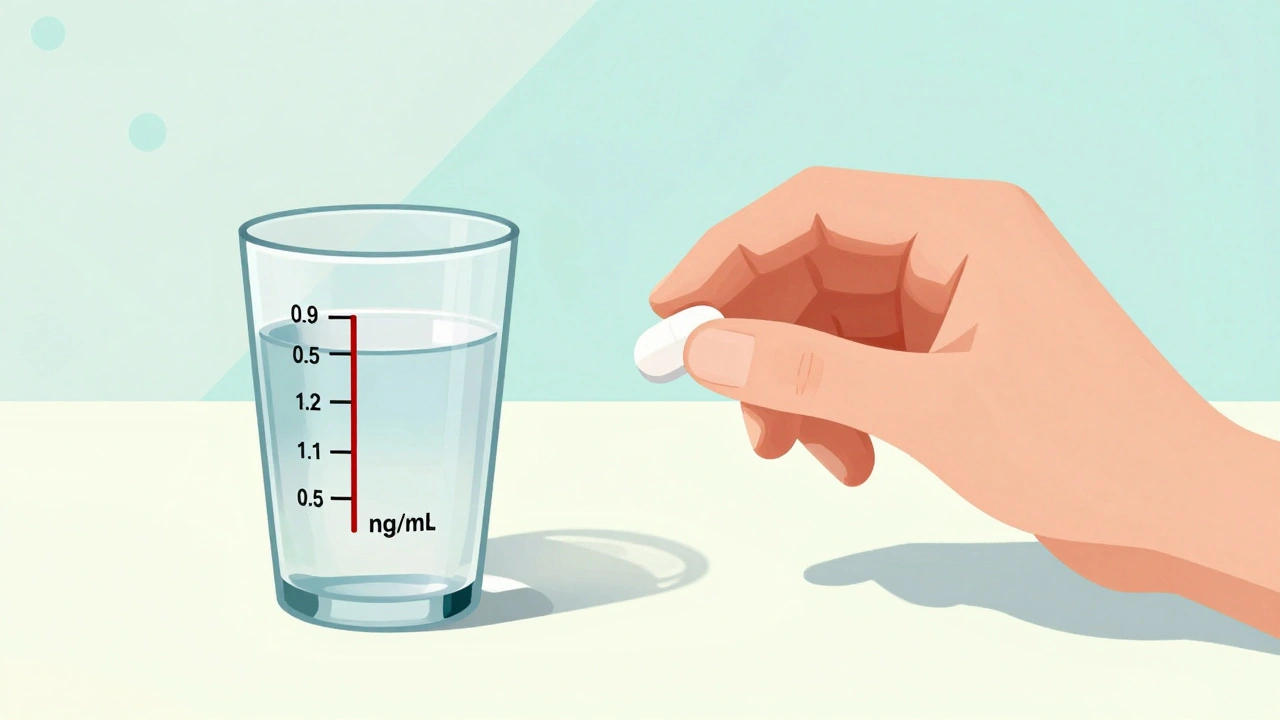
Medications with a Narrow Therapeutic Index: Why Expiration Dates Matter More Than You Think
Narrow therapeutic index drugs like warfarin, lithium, and digoxin require extreme precision. Even minor potency loss after expiration can lead to life-threatening consequences. Here's why you must never use expired NTI medications.
Read More