Smart Inhalers: How Technology Is Changing Asthma and COPD Management
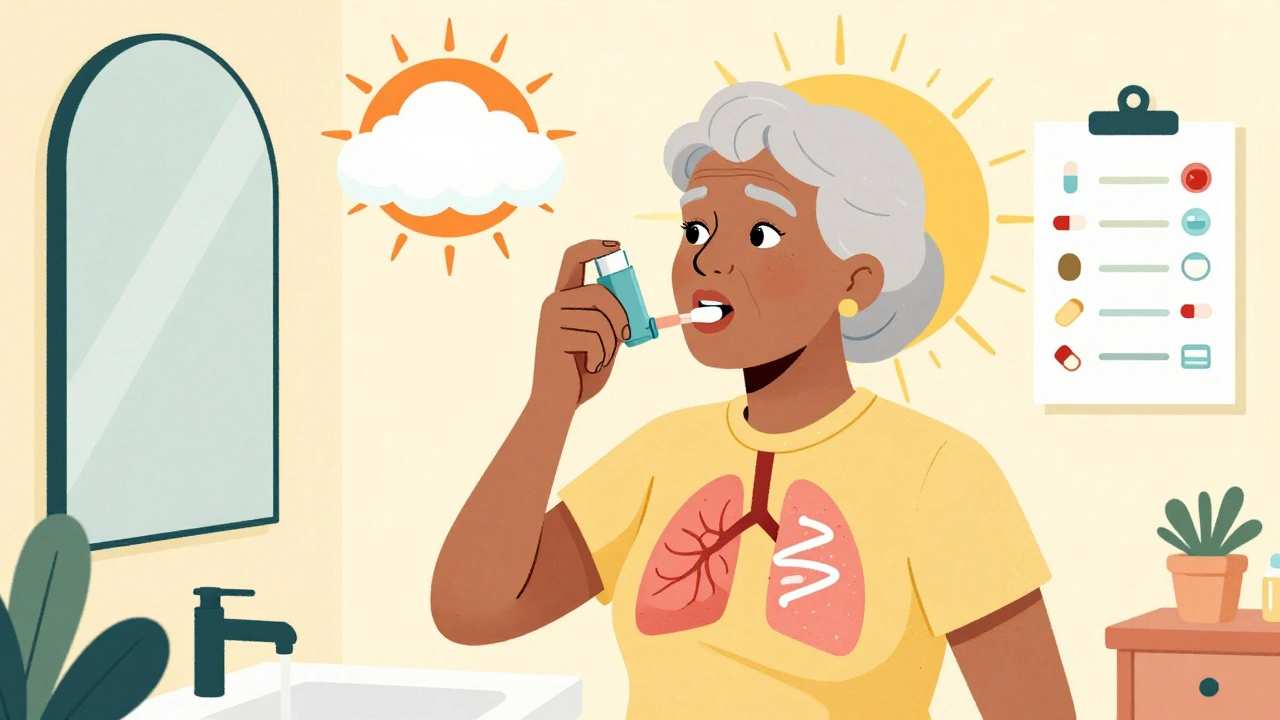
When you use a smart inhaler, a prescription inhaler with built-in sensors that record when and how it’s used. Also known as digital inhalers, it connects to a phone app to give you real-time feedback on your breathing habits and medication adherence. This isn’t science fiction—it’s already helping thousands of people with asthma and COPD stay out of the ER.
Smart inhalers don’t just track when you press the button. They detect if you inhale correctly, which matters because most people use their inhalers wrong—even if they’ve been using them for years. A bad inhaler technique means the medicine never reaches your lungs, no matter how often you use it. That’s why these devices also give you audio or visual cues to help you breathe right. For someone with asthma management, the daily process of controlling symptoms and preventing attacks through medication, triggers, and monitoring, this kind of feedback can mean the difference between staying active and being stuck at home.
Doctors and pharmacies are starting to push these devices because they cut down on hospital visits. One study showed patients using smart inhalers improved their adherence by over 30% in just six months. That’s huge when you consider nearly half of asthma patients skip doses because they forget, feel fine, or think it’s not working. These devices also let your doctor see your usage patterns remotely—no more guessing if you’re taking your medicine. For older adults or caregivers managing COPD treatment, a long-term plan to reduce symptoms and slow lung damage using medication, oxygen, and lifestyle changes, this remote monitoring can be a lifeline.
But smart inhalers aren’t perfect. They need a smartphone, regular charging, and a stable app connection. Some insurance plans still won’t cover them. And if you’re not tech-savvy, the setup can feel overwhelming. Still, the benefits outweigh the hassle for most people who struggle with consistency. The real win? You start to understand your own triggers—like cold air, exercise, or stress—because the app logs your symptoms alongside your usage. That kind of insight helps you make smarter choices every day.
Below, you’ll find real-world guides on how to use these devices safely, avoid common mistakes, and work with your doctor to get the most out of them. You’ll also see how they connect to broader issues like medication safety, digital health tools, and why tracking your treatment isn’t just a trend—it’s becoming essential.
How to Improve Adherence for Inhalers, Patches, and Injectables
Learn practical, evidence-based ways to improve adherence for inhalers, patches, and injectables. Discover simple habits, smart tech, and expert-backed strategies that actually work for chronic disease management.
Read More