Quetiapine: What It Is, How It Works, and What You Need to Know
When doctors prescribe quetiapine, a second-generation antipsychotic used to treat schizophrenia, bipolar disorder, and sometimes severe insomnia. Also known as Seroquel, it works by balancing dopamine and serotonin in the brain to reduce hallucinations, mood swings, and agitation. Many people take it without fully understanding why it was prescribed—or what else it might be doing to their body.
Quetiapine isn’t just for psychosis. It’s one of the most common off-label prescriptions for insomnia, a sleep disorder where people struggle to fall or stay asleep, especially in older adults or those with anxiety. But unlike true sleep meds like zolpidem, quetiapine doesn’t target sleep centers directly—it causes drowsiness as a side effect. That’s why weight gain, dizziness, and high blood sugar are so common. People often don’t realize they’re taking a powerful psychiatric drug just to sleep better.
It also interacts with many other medications. If you’re on blood pressure pills, drugs used to lower hypertension and prevent heart complications, quetiapine can make them work too well, dropping your blood pressure dangerously low. If you’re taking antidepressants, medications used to treat depression and mood disorders, combining them with quetiapine can increase the risk of serotonin syndrome—a rare but life-threatening condition. Even something as simple as grapefruit juice can interfere with how your body breaks it down.
Long-term use brings its own risks. Studies show people on quetiapine for years have higher rates of metabolic syndrome—high triglycerides, insulin resistance, and weight gain—sometimes without even realizing it. That’s why annual medication reviews with a pharmacist, like the ones discussed in our posts, matter so much. You need to know if the benefits still outweigh the risks, especially if your original diagnosis has changed.
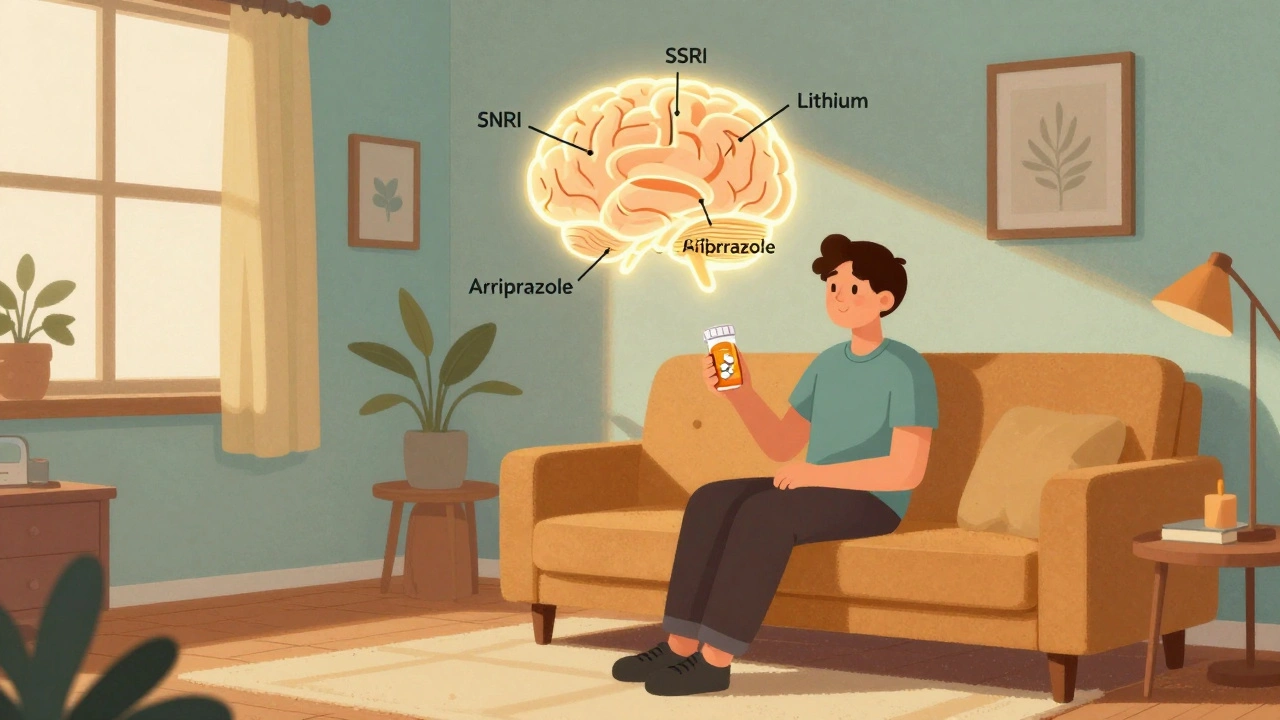
And while quetiapine helps many, it’s not the only option. For bipolar disorder, lithium or valproate might be more effective long-term. For sleep, cognitive behavioral therapy for insomnia (CBT-I) has stronger evidence than any pill. For anxiety, SSRIs or SNRIs often work better without the metabolic side effects. The key is knowing what your body can handle—and what alternatives exist.
Below, you’ll find real-world insights on how quetiapine fits into broader medication safety, what to watch for when combining it with other drugs, and how to talk to your doctor about reducing or switching if it’s no longer working for you. This isn’t just about one drug—it’s about understanding how psychiatric medications affect your whole body, and how to stay in control of your treatment.
Treatment-Resistant Depression: Augmentation and Advanced Therapies That Actually Work
When antidepressants fail, treatment-resistant depression requires more than just switching pills. Learn about FDA-approved augmentations, rTMS, esketamine, and emerging therapies that actually work.
Read More