Protanopia: What It Is, How It Affects Color Vision, and What You Need to Know
When someone has protanopia, a genetic form of red-green color blindness caused by missing or nonfunctional long-wavelength cone cells in the retina. Also known as red-blindness, it means the brain can’t properly process red light, making reds appear darker, duller, or even confused with black or green. This isn’t just about picking out the right shirt—it affects how people interpret warning labels, medication colors, and even traffic signals. Unlike temporary color vision issues from eye strain or lighting, protanopia is permanent and present from birth, affecting about 1 in 100 men and far fewer women due to its X-linked inheritance pattern.
Protanopia is part of a larger group called color vision deficiency, a condition where the eye’s cone cells don’t respond normally to certain wavelengths of light. It’s different from deuteranopia (green-blindness), even though both fall under red-green color blindness. In protanopia, the problem is with the L-cones—those that detect long wavelengths, mostly red. That’s why reds look brownish or gray, and some shades of orange, yellow, and green blend together. People with protanopia often rely on brightness or context to tell colors apart, not hue. This can be dangerous when distinguishing between red and green pills, especially if they’re similar in shape or size. A red 50mg tablet might look identical to a green 25mg tablet under normal lighting, raising the risk of dosing errors.
Understanding cone cells, the light-sensitive cells in the retina responsible for color vision and detail. helps explain why protanopia isn’t just a visual quirk—it’s a biological difference with real-world consequences. While most people have three types of cone cells (red, green, blue), those with protanopia lack functional red cones. This doesn’t mean they see in black and white—far from it. They still see blues and yellows clearly, and many adapt so well they don’t realize they’re missing color information until tested. But in settings where color is used as a safety cue—like medication packaging, IV line labels, or glucose monitor strips—this gap becomes a hidden risk.
There’s no cure for protanopia, but awareness helps. Many pharmacies now use shape, text, or symbols alongside color to identify medications. Apps and smart glasses that enhance color contrast are becoming more common. And for anyone managing multiple drugs, checking pill identifiers by name and strength—not just color—is a simple habit that saves lives. If you’ve ever mixed up red and green pills, or been told your color perception is off, you’re not alone. Protanopia is more widespread than most realize, and understanding it is the first step to safer medication use—for you and others around you.
Below, you’ll find practical guides on medication safety, dosage verification, and how to avoid errors that can happen when color cues fail. These aren’t theoretical tips—they’re real strategies used by patients, caregivers, and pharmacists to stay safe every day.
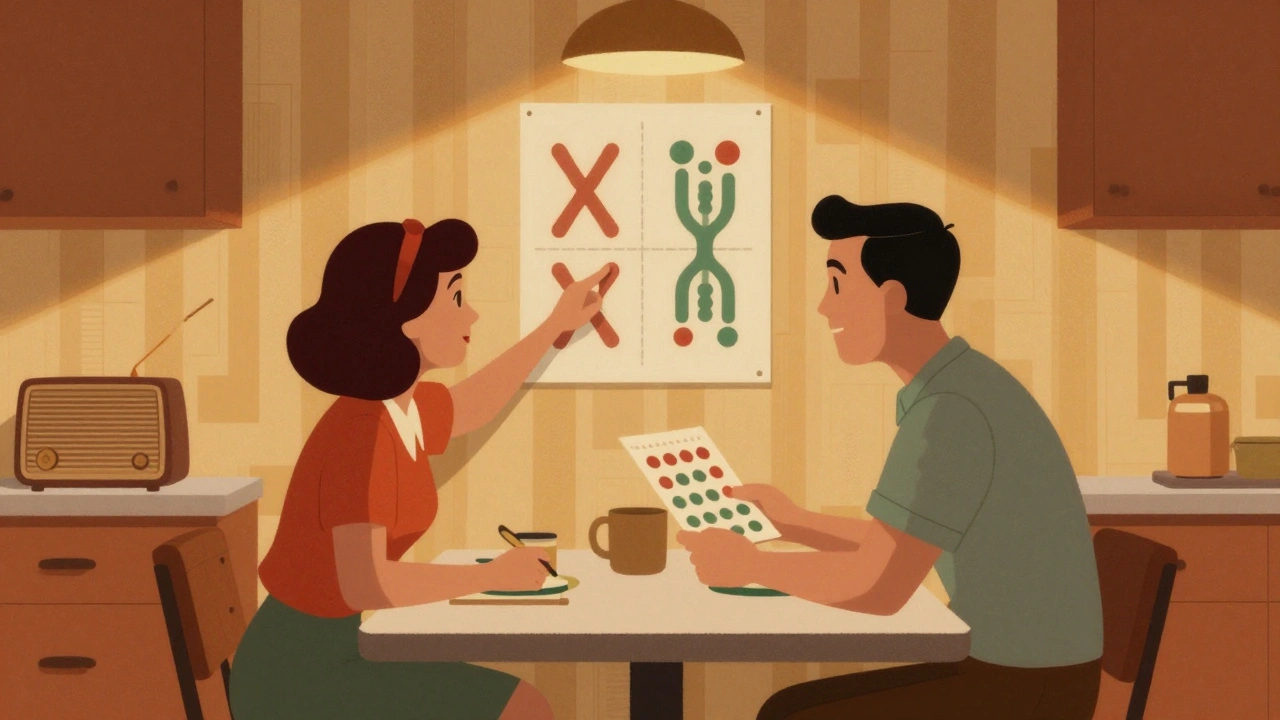
Color Blindness: Understanding Red-Green Defects and How They’re Passed Down
Red-green color blindness is a genetic condition affecting 8% of men and 0.5% of women, caused by X-linked gene variations. Learn how it's inherited, how it affects daily life, and what tools can help.
Read More