OTC Cold Medicine: What Works, What to Avoid, and How to Use It Safely
When you’ve got a stuffy nose, sore throat, or hacking cough, OTC cold medicine, over-the-counter drugs designed to relieve common cold symptoms like congestion, fever, and cough. Also known as cold remedies, these are the first line of defense for millions of people every winter—but they’re not harmless. Many assume that because they’re sold without a prescription, they’re safe to mix, double up on, or take for weeks. That’s not true. The same active ingredients in your cold tablet are in your allergy pill, pain reliever, and sleep aid. Taking more than one can land you in the ER with liver damage, dangerously high blood pressure, or a racing heart.
Take acetaminophen, a common pain and fever reducer found in dozens of cold and flu products. It’s safe at the right dose, but if you’re also taking a painkiller for your back or a sleep aid that contains it, you could easily hit the 4,000 mg daily limit without realizing it. That’s enough to cause severe liver injury. Then there’s pseudoephedrine, a decongestant that raises blood pressure and can interfere with heart medications. People with high blood pressure or thyroid issues are often told to avoid it—but they don’t always know it’s hiding in their "all-in-one" cold formula.
And don’t forget dextromethorphan, a cough suppressant that’s fine at recommended doses but can cause hallucinations or seizures if misused. It’s in cough syrups, tablets, and even some energy drinks marketed as "throat soothers." Many people don’t realize it’s a drug at all. Meanwhile, antihistamines like diphenhydramine make you drowsy—great for sleep, terrible if you’re driving or operating machinery. And mixing them with alcohol? That’s a recipe for slowed breathing and unconsciousness.
The real problem isn’t the medicine itself. It’s how people use it. They grab what’s on the shelf, assume "more is better," or keep taking it long after symptoms fade. They don’t check labels. They don’t ask pharmacists. And they rarely realize that their daily blood pressure pill, their antidepressant, or even their herbal supplement could be reacting with what’s in that cold bottle.
That’s why the posts here focus on what you actually need to know: how to read labels, spot hidden ingredients, avoid dangerous combos, and choose the right product for your symptoms—not your grocery list. You’ll find clear advice on separating cold meds from other drugs, understanding what each ingredient does, and when to skip OTC options entirely. No fluff. No marketing. Just what works, what doesn’t, and how to stay safe while you recover.
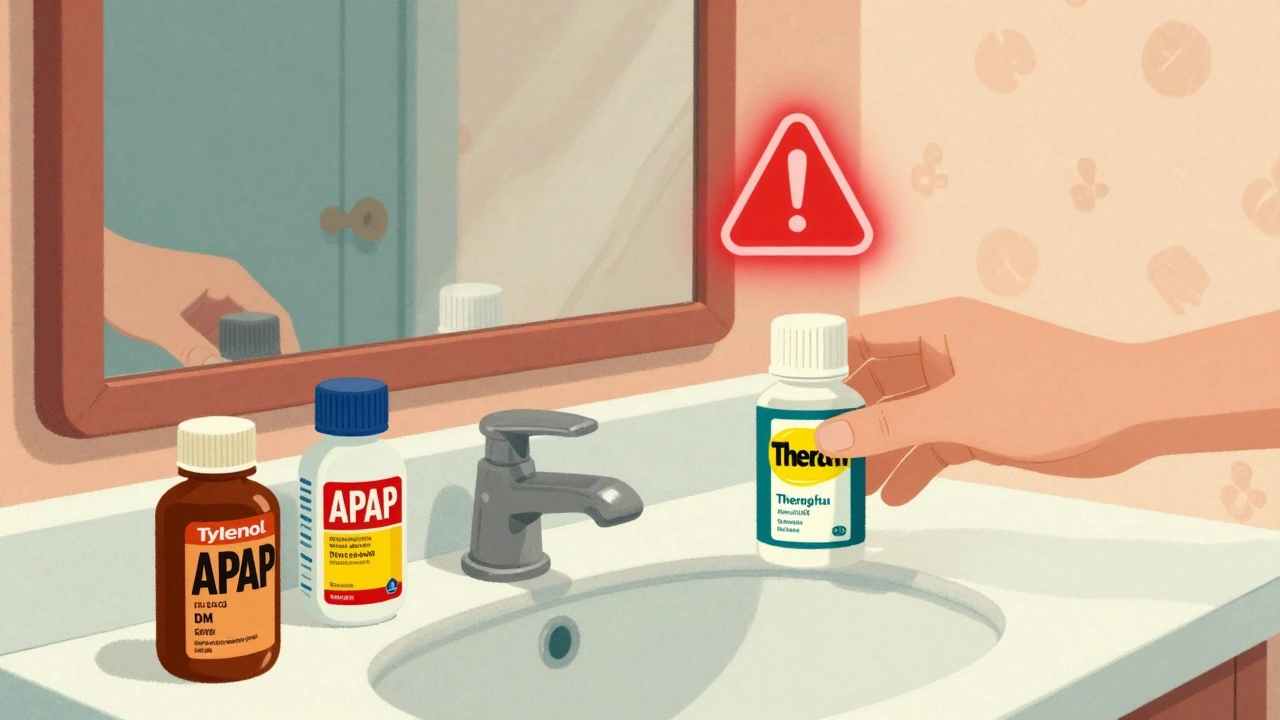
OTC Cold and Flu Combinations: How to Avoid Dangerous Double Dosing
OTC cold and flu combos may seem convenient, but they often contain hidden acetaminophen and ineffective ingredients that can lead to dangerous overdoses. Learn how to read labels and avoid double dosing.
Read More