Narrow Therapeutic Index Drugs: What They Are and Why They Require Precision
When a drug has a narrow therapeutic index, a small difference between a safe dose and a toxic one, it doesn’t just need careful prescribing—it demands exact handling. These are not your typical pills. Think warfarin, lithium, digoxin, or phenytoin. One milligram too much can land you in the hospital. One milligram too little might let your condition flare up without warning. This tiny margin—called the therapeutic window, the range between effective and harmful doses—is why these drugs are handled like precision tools, not everyday medicine.
What makes them different isn’t just strength, but how your body reacts to tiny changes. Unlike most drugs where you can miss a dose or take one extra without big consequences, narrow therapeutic index drugs can trigger seizures, heart rhythm problems, or organ damage from small shifts in absorption, metabolism, or interaction. That’s why switching from a brand to a generic isn’t always simple—even if the FDA says they’re bioequivalent, bioequivalence, the scientific standard proving generics work like brand names, doesn’t always mean the same for these drugs. A patient on warfarin might do fine on one generic batch, then have a dangerous spike in INR with the next. That’s not a flaw in the system—it’s the nature of the drug. And it’s why pharmacists often recommend sticking with the same brand or manufacturer, why blood tests are routine, and why mixing supplements or changing diets can be risky. Even something as simple as eating more leafy greens can throw off warfarin’s effect.
These drugs are common in chronic conditions: epilepsy, heart failure, thyroid disorders, organ transplants. But they’re also where medication errors hurt the most. That’s why checking the medication strength, the exact amount of active ingredient in a dose isn’t just good practice—it’s life-saving. A misread prescription, a wrong pill count, or even a mislabeled bottle can have irreversible consequences. That’s why posts on this page focus on real-world safety: how to avoid double dosing with OTC cold meds, why annual pharmacist reviews matter, how to verify drug names and forms, and why natural supplements like Danshen or ashwagandha can be deadly when paired with these drugs. You won’t find fluff here. Just clear, practical guidance on how to handle these high-risk medications without fear—because when the therapeutic window is this narrow, there’s no room for guesswork.
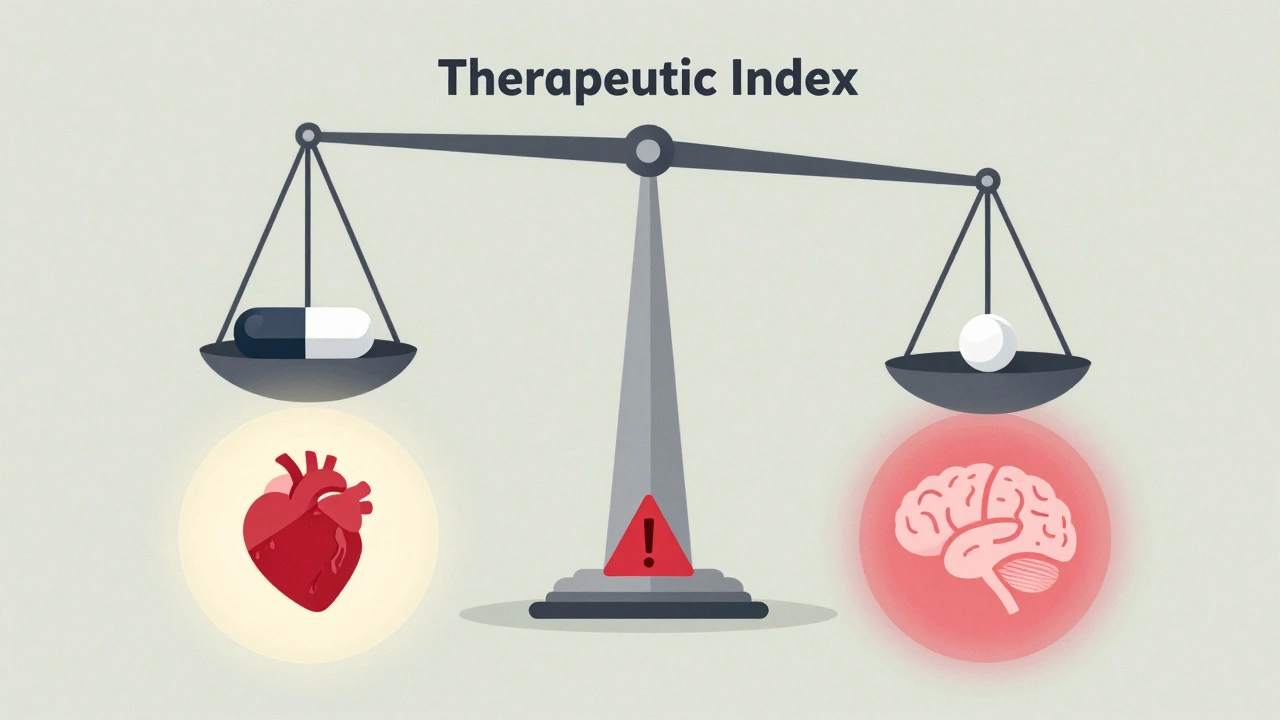
Narrow Therapeutic Index Drugs: Why Bioequivalence Standards Are Tighter for These Medications
Narrow therapeutic index drugs require stricter bioequivalence standards to ensure generic versions match the brand's safety and effectiveness. Learn why even small differences in dose can be dangerous and how regulators are protecting patients.
Read More