Medication Storage: How to Keep Your Pills Safe, Effective, and Out of Harm's Way
When you buy medicine, you’re not just paying for the drug—you’re paying for its medication storage, the conditions under which a drug remains stable, safe, and effective until its expiration date. Also known as drug storage, it’s not just about keeping pills in a cabinet. Improper storage can turn life-saving medicine into useless—or even dangerous—substances. Heat, moisture, light, and even the air in your bathroom can break down active ingredients. A pill that looks fine might have lost half its strength if it’s been sitting in a steamy shower cabinet for months.
Child-safe storage, a critical practice to prevent accidental poisoning in young children isn’t optional. Every year, tens of thousands of kids end up in emergency rooms after getting into medications they found in open drawers or purses. The CDC says medicine is the #1 cause of accidental poisoning in children under 6. Storing pills in a locked box, up high and away from sight, isn’t overcautious—it’s basic safety. And it’s not just about kids. Older adults with memory issues or visitors who don’t know your routine can accidentally take the wrong pill—or the wrong dose.
Temperature-sensitive medications, drugs that degrade quickly if exposed to extreme heat or cold need special attention. Insulin, some antibiotics, and even certain heart and mental health meds can lose potency if left in a hot car or a freezing garage. The FDA says most pills should be kept at room temperature—between 68°F and 77°F. That means your medicine cabinet might be the worst place in your house. Bathrooms are too humid. Kitchens get too hot near the stove. A drawer in a cool, dry bedroom is better. Some drugs, like certain injectables or eye drops, require refrigeration. Always check the label. If it says "store in the refrigerator," don’t assume it’s fine on the counter.
Don’t ignore expiration dates. They’re not just legal fine print—they’re science. After the date, the drug’s chemical structure can change. What was meant to treat high blood pressure might become unpredictable. Some expired meds, like tetracycline antibiotics, can actually become toxic. And never store pills in their original blister packs inside a plastic bag or pill organizer unless you’re using them right away. The air and moisture get in, and the pills degrade faster.
And what about those supplements you take? Just because they’re "natural" doesn’t mean they’re stable. Fish oil capsules go rancid in heat. Vitamin C breaks down in light. Ashwagandha, danshen, and other herbal products? They’re not regulated like prescription drugs, so their shelf life is often guesswork. If it smells funny, looks discolored, or tastes off—throw it out.
There’s a reason pharmacies give you those little warning labels. They’re not just being thorough—they’re protecting you. A single pill stored wrong could mean your blood pressure spikes, your infection doesn’t clear, or your child ends up in the ER. This isn’t about being perfect. It’s about being smart. You wouldn’t leave milk out all day. Don’t treat your medicine any differently.
Below, you’ll find real-world advice on how to handle everything from insulin pens to pediatric meds, how to spot when a drug has gone bad, and what to do with expired pills safely. No fluff. Just what works.
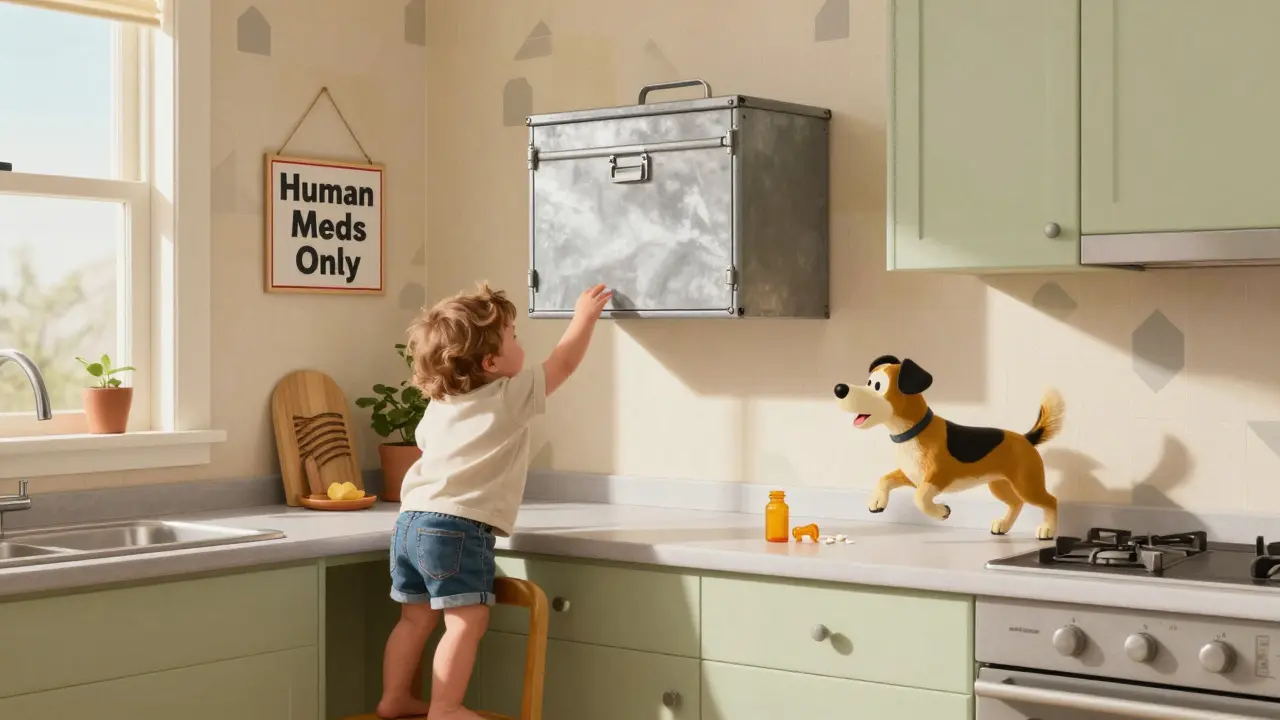
Safe Storage of Medications: How to Keep Kids and Pets Away from Harm
Accidental medication poisonings in kids and pets are preventable. Learn the simple, proven steps to lock up medicines, keep human and pet drugs separate, and create a safe home - without spending a fortune.
Read More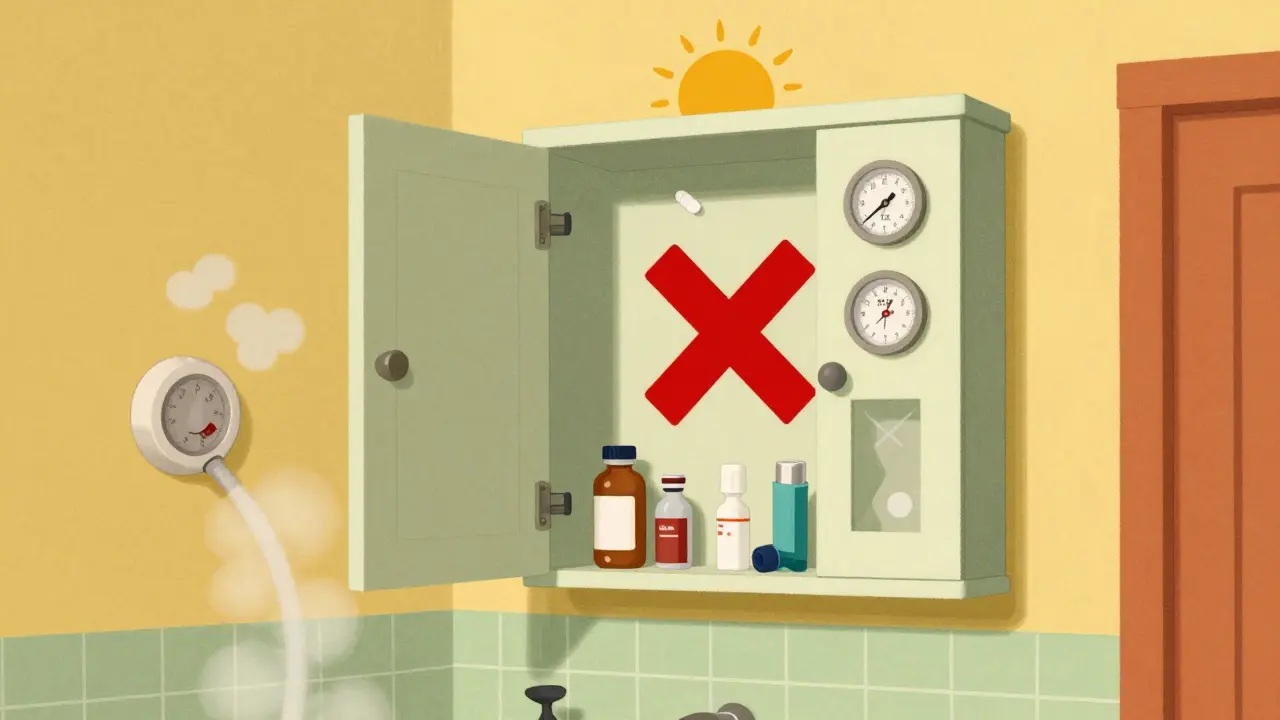
Temperature and Humidity Control for Safe Medication Storage: What You Need to Know
Learn how temperature and humidity affect medication effectiveness. Discover the correct storage zones, common mistakes, monitoring tools, and what’s changing in 2025 to keep your drugs safe and potent.
Read More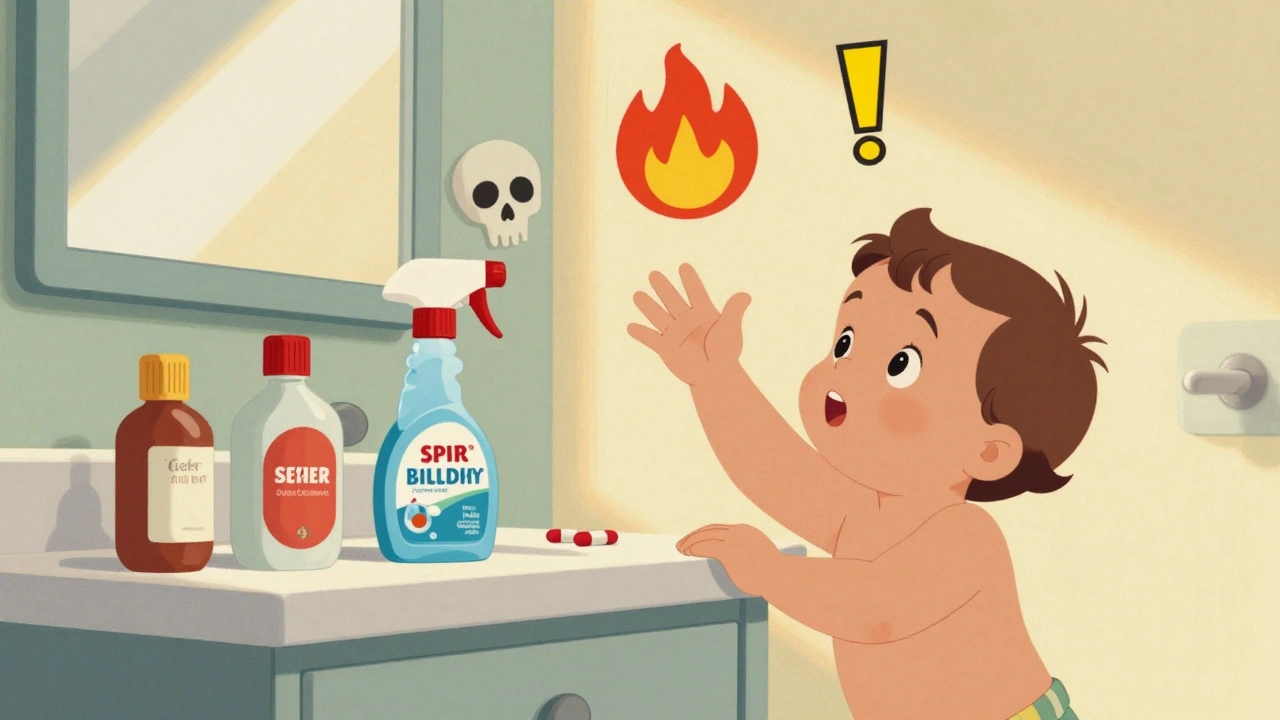
How to Separate Household Chemicals from Medication Storage for Safety
Separate household chemicals and medications to prevent poisoning, protect medicine effectiveness, and keep kids safe. Follow expert-backed storage rules for a safer home.
Read More