Lithium Potency: What You Need to Know About Dosage, Safety, and Generic Equivalents
When it comes to lithium potency, the amount of active lithium carbonate in a pill that affects brain chemistry to stabilize mood. Also known as lithium carbonate, it’s one of the oldest and most effective treatments for bipolar disorder—but it’s also one of the most dangerous if the dose isn’t just right. Unlike most medications, lithium doesn’t have a wide safety margin. A little too much and you risk kidney damage, tremors, or even seizures. A little too little, and your mood swings return. That’s why lithium potency isn’t just a technical term—it’s a matter of life and daily function.
Generic versions of lithium are common, and they’re approved by the FDA to be bioequivalent to brand-name versions like Eskalith or Lithobid. But here’s the catch: because lithium has a narrow therapeutic index, a tiny difference in blood concentration can turn a helpful dose into a toxic one, regulators require stricter testing than for most generics. Even small variations in how the body absorbs lithium from one pill to another can throw off your balance. That’s why switching between brands—even if both are labeled "generic lithium"—can sometimes cause side effects or relapse, even if the milligram amount looks the same.
That’s where therapeutic drug monitoring, the regular blood tests that measure lithium levels in your system comes in. Your doctor doesn’t just guess your dose. They rely on lab results, usually every few months or after any change in medication, diet, or kidney function. Things like dehydration, salt intake, or starting a new diuretic can all change how your body handles lithium. And if you’re on other meds—like NSAIDs or ACE inhibitors—they can push lithium levels up without you knowing.
It’s not just about the pill. It’s about your body’s response. That’s why the posts below cover real-world issues: how to spot when your lithium isn’t working right, why some people need more frequent blood tests, how generic versions can differ in how they’re made, and what to do if you feel off after a pharmacy switch. You’ll find advice on avoiding dangerous interactions, understanding what your blood test numbers mean, and how to talk to your pharmacist about consistency in your prescription. This isn’t theoretical. It’s what keeps people stable, safe, and in control of their lives.
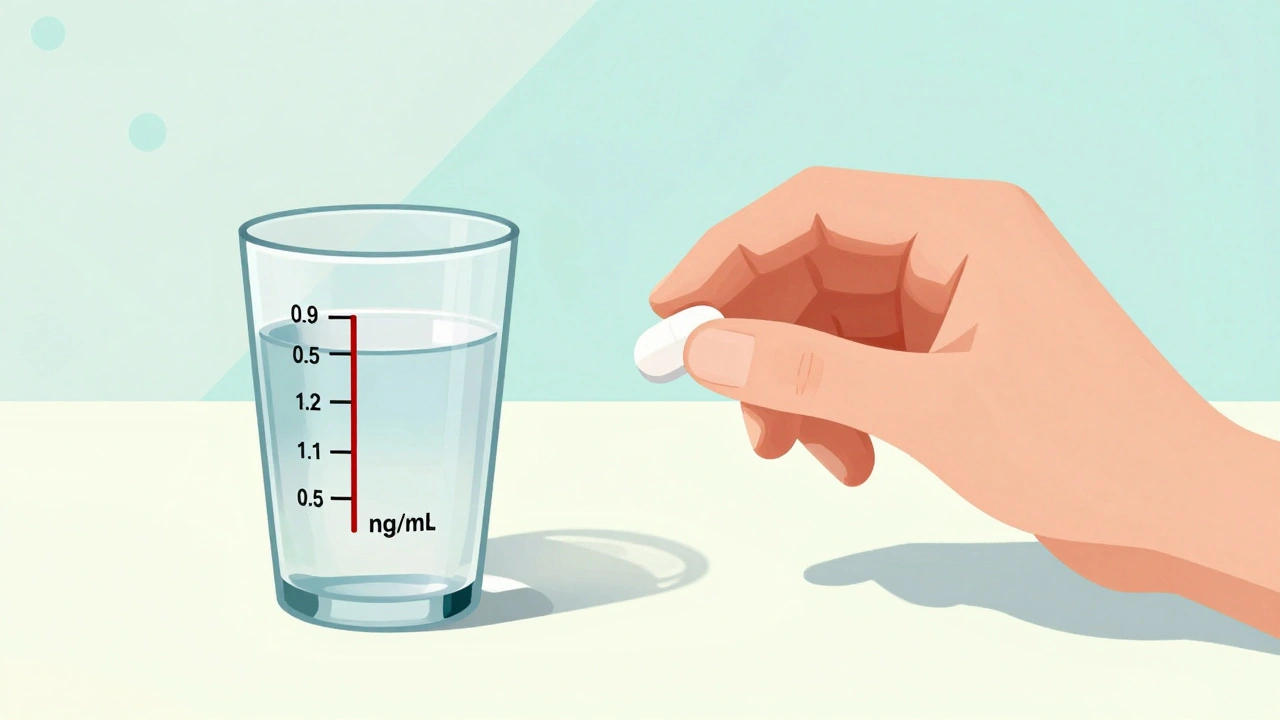
Medications with a Narrow Therapeutic Index: Why Expiration Dates Matter More Than You Think
Narrow therapeutic index drugs like warfarin, lithium, and digoxin require extreme precision. Even minor potency loss after expiration can lead to life-threatening consequences. Here's why you must never use expired NTI medications.
Read More