Expired Medications: What Happens When Your Pills Go Bad
When you find an old bottle of pills in the back of your medicine cabinet, you might wonder: expired medications, drugs past their labeled expiration date that may no longer be fully effective or safe. Is it okay to take them? The answer isn’t simple. Most pills don’t turn toxic right away, but they can lose potency—sometimes dramatically. The FDA requires expiration dates to guarantee full strength and safety up to that point, but studies show many drugs retain effectiveness years beyond that date. Still, not all medications play by the same rules. Insulin, liquid antibiotics, nitroglycerin, and epinephrine auto-injectors? Don’t risk it. These can degrade fast and fail when you need them most.
Why does this happen? It’s not magic—it’s chemistry. Moisture, heat, and light break down active ingredients over time. A bottle of ibuprofen sitting on a bathroom counter near the shower will degrade faster than one kept in a cool, dry drawer. medication safety, the practice of using drugs correctly to avoid harm. That’s why storing medicines away from humidity and sunlight matters just as much as checking the date. And it’s not just about effectiveness. Some degraded drugs can form harmful byproducts. Tetracycline antibiotics, for example, can turn toxic when expired. Even common painkillers like aspirin can turn into vinegar-like acids that irritate your stomach. expiration dates, the manufacturer’s guarantee of drug quality up to that point. They’re not arbitrary—they’re based on real stability testing. But they’re also conservative. The military and hospitals have tested stockpiled drugs that were decades old and found many still working. That doesn’t mean you should do the same at home.
Here’s what you need to do: If your medicine is clearly expired, smells strange, looks discolored, or has changed texture, throw it out. Don’t flush it—take it to a pharmacy drop-off or a drug take-back event. For chronic conditions like high blood pressure or diabetes, never use old pills as a backup. A failed dose could land you in the ER. And if you’re unsure? Call your pharmacist. They’ve seen it all. The truth is, most people keep expired meds around out of habit, not necessity. But that habit can be dangerous. In this collection, you’ll find real-world advice on how to handle old drugs, why some expire faster than others, and how to store what you keep to make it last. You’ll also learn about the hidden risks of mixing old pills with new ones, and why your medicine cabinet isn’t the best place to store your health.
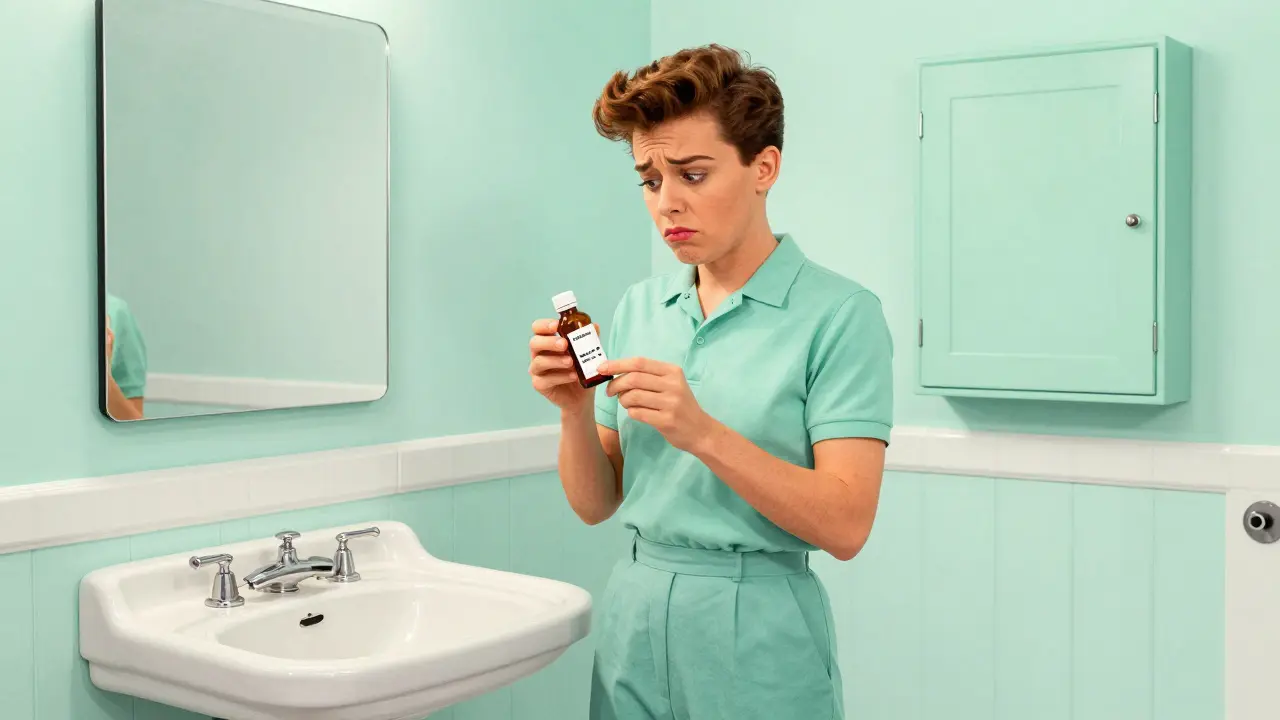
Using Expired Over-the-Counter Medications: Is It Actually Safe?
Is it safe to use expired OTC meds? Learn the difference between potency loss and toxicity, which drugs to toss immediately, and how to store medicine for longevity.
Read More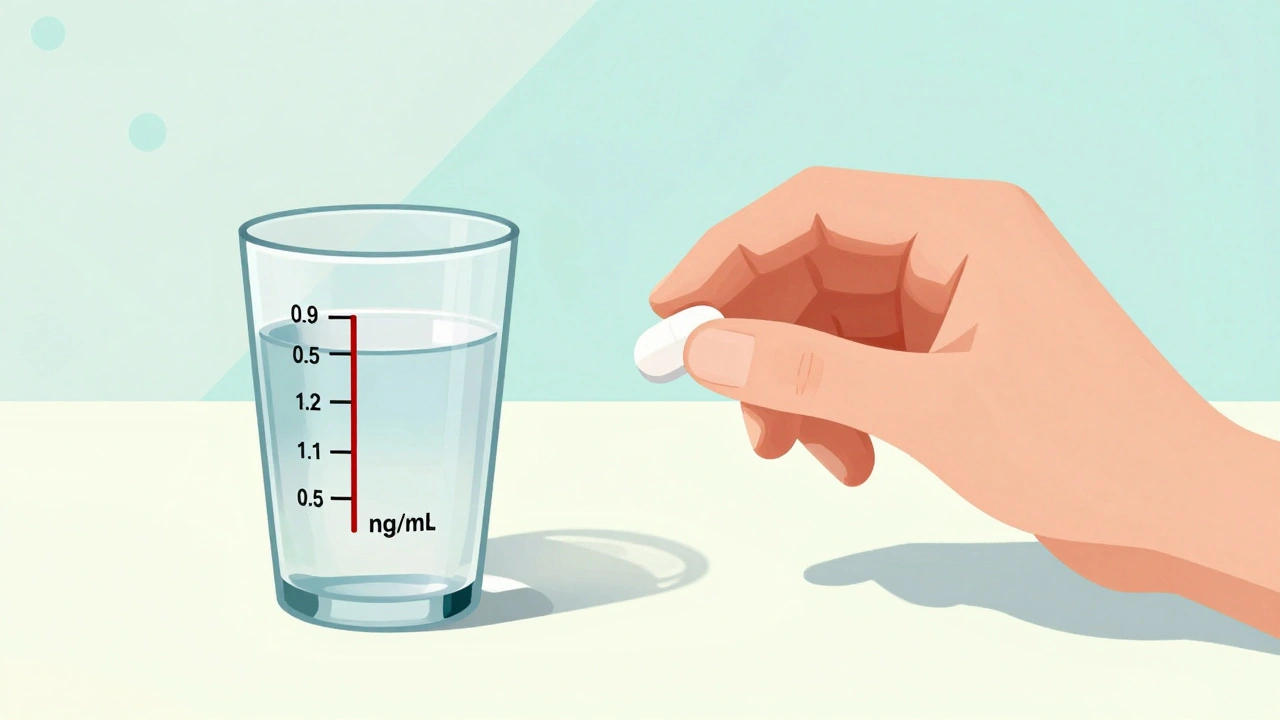
Medications with a Narrow Therapeutic Index: Why Expiration Dates Matter More Than You Think
Narrow therapeutic index drugs like warfarin, lithium, and digoxin require extreme precision. Even minor potency loss after expiration can lead to life-threatening consequences. Here's why you must never use expired NTI medications.
Read More