Drug Supply Shortage: What It Means for Your Medications and How to Stay Safe
When a drug supply shortage, a situation where there isn’t enough of a medication available to meet patient demand. Also known as medication shortage, it can leave people without essential prescriptions—sometimes for months. This isn’t just an inconvenience. For someone taking blood pressure meds, insulin, or a heart rhythm drug, a shortage can be dangerous. These aren’t rare events anymore. In 2023 alone, over 300 drugs in the U.S. were listed as in short supply by the FDA, and many of them are generics you rely on every day.
Why does this keep happening? It’s not one problem—it’s a chain. pharmaceutical supply chain, the network of manufacturers, distributors, and regulators that get drugs from labs to pharmacies is fragile. Most generic drugs are made overseas, often in just one or two factories. If one plant has a quality issue, or if raw materials get delayed, the whole system stumbles. generic medications, lower-cost versions of brand-name drugs that must meet the same safety and effectiveness standards are especially vulnerable because they’re made on thin margins. Companies don’t invest in backup production lines when profits are tight. And when a shortage hits, pharmacies don’t always get notice until the shelves are empty.
You might think switching to another brand or dose is easy—but it’s not. Some drugs, like warfarin or lithium, have a narrow therapeutic index. That means even tiny differences in how the drug is made can affect how your body responds. A switch that seems minor could throw off your entire treatment. And if your doctor can’t get your usual prescription, you might end up with a substitute that doesn’t work as well—or causes side effects you didn’t expect. The FDA tracks these shortages, but they don’t always warn patients directly. That’s why knowing the signs matters.
What You Can Do Right Now
Don’t wait until your prescription runs out. If you’re on a chronic medication, ask your pharmacist: Is this drug currently in short supply? Are there alternatives? Can you get a 90-day supply to avoid running out? Many pharmacies can help you find a different manufacturer or even order from another supplier. If your medication is critical and you’re running low, call your doctor early—don’t wait for a refill reminder. Sometimes, a different formulation (like a tablet instead of a capsule) or a slightly different generic version can be substituted safely. But never switch on your own. Always check with a professional.
There’s also a bigger picture here. Drug shortages aren’t just about manufacturing. They’re tied to pricing, regulation, and how we value affordable medicine. The same system that lets you buy a $4 generic for diabetes also makes it easy for one factory shutdown to leave thousands without their pills. That’s why understanding your medication—knowing its name, strength, and why it matters—isn’t just smart. It’s essential.
Below, you’ll find real-world guides on how to handle these situations safely: how to verify your meds, what to do when your usual drug disappears, how to spot dangerous substitutions, and how to protect yourself when the system fails. These aren’t theory pieces—they’re tools built from patient experiences and pharmacy insights.
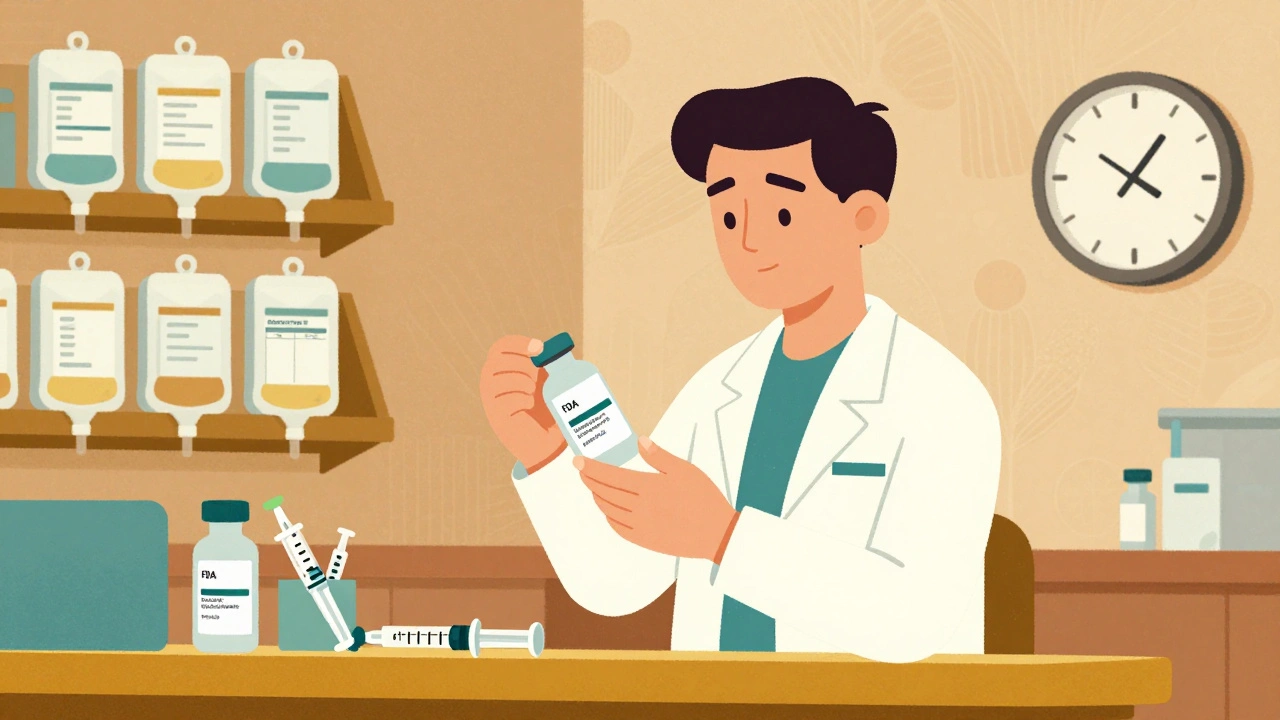
Extended Use Dates: How the FDA Allows Drug Expiration Extensions During Shortages
The FDA extends expiration dates for critical drugs during shortages when stability data proves they remain safe and effective. Learn how it works, which drugs qualify, and what hospitals must do to use them safely.
Read More