Drug Facts Label: What You Need to Know About Medication Information
When you pick up a bottle of medicine—whether it’s prescription or over-the-counter—you’re holding a drug facts label, a standardized, government-mandated summary of a medication’s active ingredients, uses, warnings, and directions. Also known as Drug Facts, this label is your first and most reliable source for safe用药. It’s not marketing fluff. It’s the law. And if you skip reading it, you’re guessing with your health.
The drug facts label doesn’t just list ingredients—it tells you how much to take, when to take it, and what might go wrong. It warns you about interactions with other drugs, foods, or conditions like high blood pressure or pregnancy. For example, if you’re taking a painkiller with acetaminophen, the label will tell you the maximum daily dose. Miss that, and you risk liver damage. The same label also shows you what to do if you miss a dose or take too much. It’s designed to be clear, even if you’re tired, stressed, or in pain.
Behind every drug facts label is a system built by the FDA to protect you. The U.S. Food and Drug Administration requires this format for all over-the-counter medicines, and it’s slowly expanding to more prescription drugs too. This isn’t just about compliance—it’s about reducing errors. Studies show that patients who read the label are 40% less likely to make dangerous mistakes with dosing or mixing medications. That’s why pharmacies now encourage you to ask: "Did you read the label?" It’s not a trick question. It’s a lifesaver.
But here’s the catch: the label only works if you understand it. Words like "as needed," "take with food," or "do not exceed" mean something very specific. And if you’re taking multiple meds, the label helps you spot overlaps—like two different cold pills that both contain pseudoephedrine. That’s where the medication safety tools you’ll find below come in. We’ve gathered real-world guides on checking drug names, avoiding interactions, storing meds properly, and understanding what’s really in your bottle. Whether you’re managing a chronic condition, caring for a child, or just trying not to overdose on ibuprofen, these posts give you the tools to read between the lines of the drug facts label and stay safe.
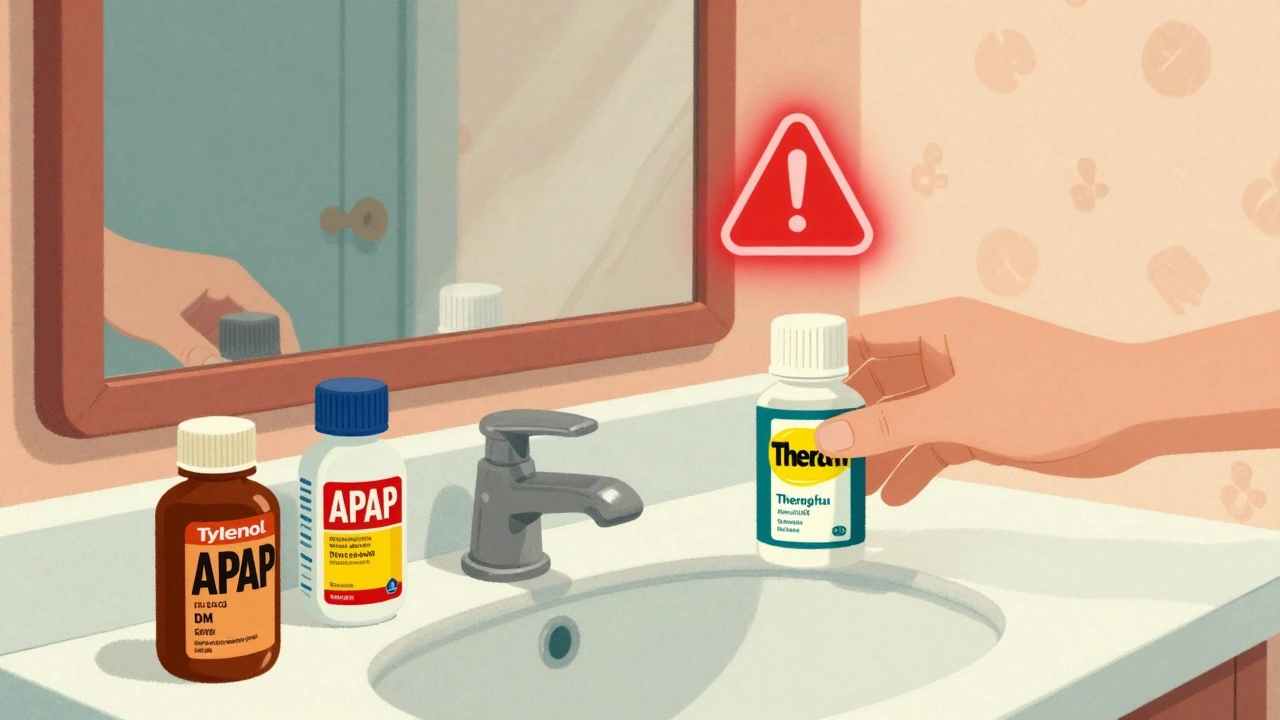
OTC Cold and Flu Combinations: How to Avoid Dangerous Double Dosing
OTC cold and flu combos may seem convenient, but they often contain hidden acetaminophen and ineffective ingredients that can lead to dangerous overdoses. Learn how to read labels and avoid double dosing.
Read More