Double Dosing: What It Is, Why It’s Dangerous, and How to Avoid It
When you take double dosing, the accidental or intentional intake of two doses of a medication within a short time frame. Also known as medication overdosing, it’s one of the most common and preventable causes of hospital visits related to drug use. It’s not always a mistake — sometimes people think they missed a dose, or they’re trying to make a drug work faster. But with many medications, especially those with a narrow therapeutic index, drugs where small changes in dose can cause serious harm or death, even a little extra can be dangerous. Think of it like driving a car with no speedometer — you don’t know when you’ve gone too far until it’s too late.
Some drugs are especially risky when double dosed. Blood thinners like warfarin or Eliquis can cause life-threatening bleeding. Heart medications like digoxin can trigger irregular rhythms. Even common drugs like acetaminophen, when taken in excess, can wreck your liver. And it’s not just pills — patches, inhalers, and injectables can cause the same problem if used more than directed. medication safety, the practice of using drugs correctly to avoid harm isn’t about being perfect — it’s about building habits that stop mistakes before they happen.
Why does this keep happening? Simple: confusing labels, busy schedules, multiple doctors, and forgetfulness. A parent might give a child two doses because they’re not sure if the first one was swallowed. An older adult might take their evening pill twice after forgetting they already did. Someone on a new medication might panic when they don’t feel better right away and take another. These aren’t careless people — they’re humans trying to manage complex health needs in a system that doesn’t always make it easy.
That’s why checking your medication strength, the exact amount of active ingredient in each dose matters. A 10mg pill isn’t the same as a 5mg pill. A patch that says "10mg/24h" isn’t meant to be replaced early. And if you’re on more than five medications — which 40% of adults over 65 are — the chance of mixing up doses goes up fast. That’s why an annual medication review, a scheduled check-in with a pharmacist to sort out all your drugs can save your life.
There’s no magic trick to avoiding double dosing. It’s about systems: pill organizers, phone alarms, written schedules, and always asking, "Did I take this already?" If you’re unsure, don’t guess — call your pharmacist. They’ve seen it all, and they won’t judge. They’ll help you fix it.
The posts below cover real cases, real risks, and real fixes. You’ll find guides on how to safely verify your meds, why certain drugs need extra caution, how to manage complex regimens, and what to do if you think you’ve taken too much. No fluff. No scare tactics. Just clear, practical steps to keep you — or someone you care about — safe.
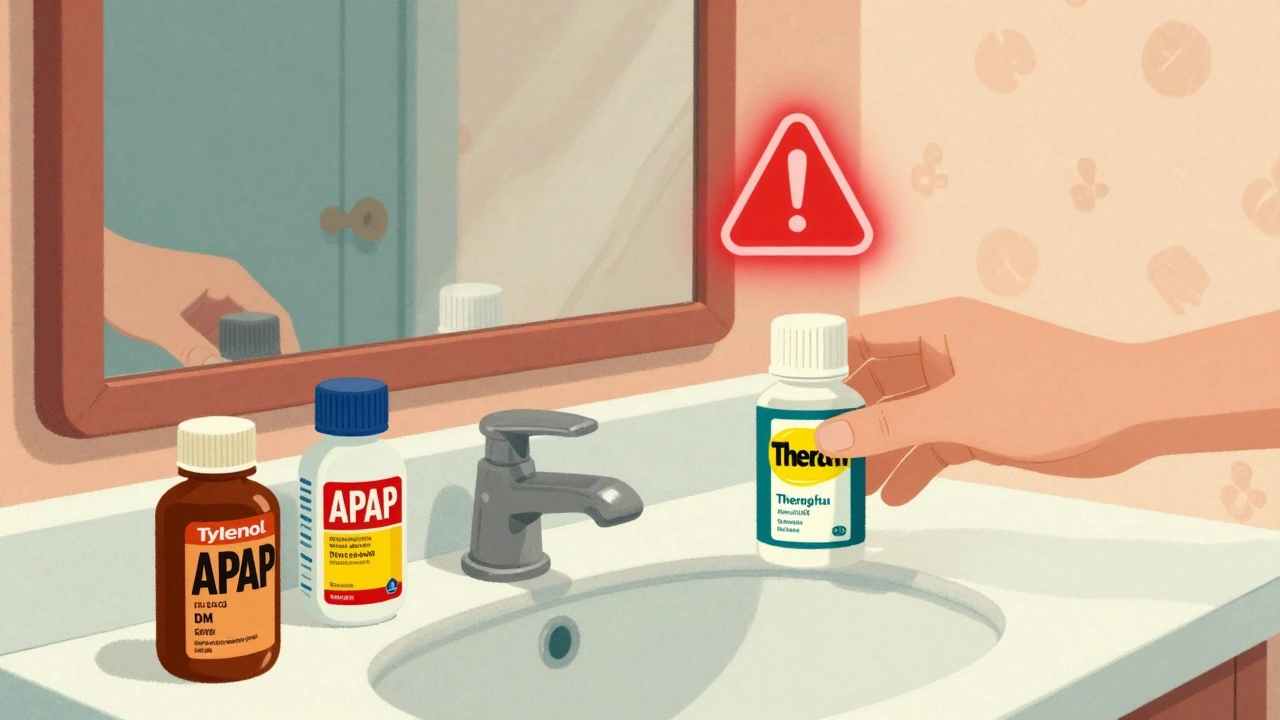
OTC Cold and Flu Combinations: How to Avoid Dangerous Double Dosing
OTC cold and flu combos may seem convenient, but they often contain hidden acetaminophen and ineffective ingredients that can lead to dangerous overdoses. Learn how to read labels and avoid double dosing.
Read More