Digoxin Safety: What You Need to Know About Dosage, Interactions, and Risks
When it comes to heart medications, digoxin, a cardiac glycoside used to treat heart failure and atrial fibrillation. Also known as digitalis, it's been around for over 200 years—but it's still one of the most dangerous drugs in common use. Why? Because the difference between a helpful dose and a toxic one is tiny. This is what makes digoxin a narrow therapeutic index, a category of drugs where small changes in blood levels can lead to serious harm or death. Unlike many other medications, you can't just take an extra pill if you feel worse. Even a slight overdose can trigger life-threatening heart rhythms.
That’s why digoxin safety isn’t just about taking it correctly—it’s about knowing what can mess with it. Many common drugs and supplements interfere with how your body handles digoxin. For example, potassium levels, a key mineral that affects heart function drop when you take diuretics like furosemide, which makes digoxin way more toxic. Same goes for amiodarone, a rhythm-control drug often prescribed alongside digoxin. Even some antibiotics, like clarithromycin, can spike digoxin levels by slowing how fast your body clears it. And don’t forget about natural products: st. john’s wort, a popular herbal remedy for mood, can reduce digoxin’s effectiveness, leaving you unprotected. These aren’t theoretical risks—they’re real, documented dangers that send people to the ER every year.
People on digoxin need regular blood tests to check levels, but many don’t realize how much their diet, kidney function, or other meds can shift those numbers. Older adults, especially those with kidney issues, are at highest risk because their bodies clear digoxin slower. Symptoms of toxicity? Nausea, blurry vision, confusion, and irregular heartbeat—not always easy to spot if you’re already managing heart disease. That’s why an annual medication review with your pharmacist matters. They can catch hidden interactions before they cause harm.
What you’ll find in the posts below isn’t just a list of articles—it’s a practical guide to staying safe with digoxin and similar high-risk drugs. You’ll learn how to avoid dangerous combinations, recognize early signs of trouble, and understand why even generics of this drug require extra scrutiny. Whether you’re taking digoxin yourself or helping someone who is, these posts give you the clear, no-fluff facts you need to protect your heart.
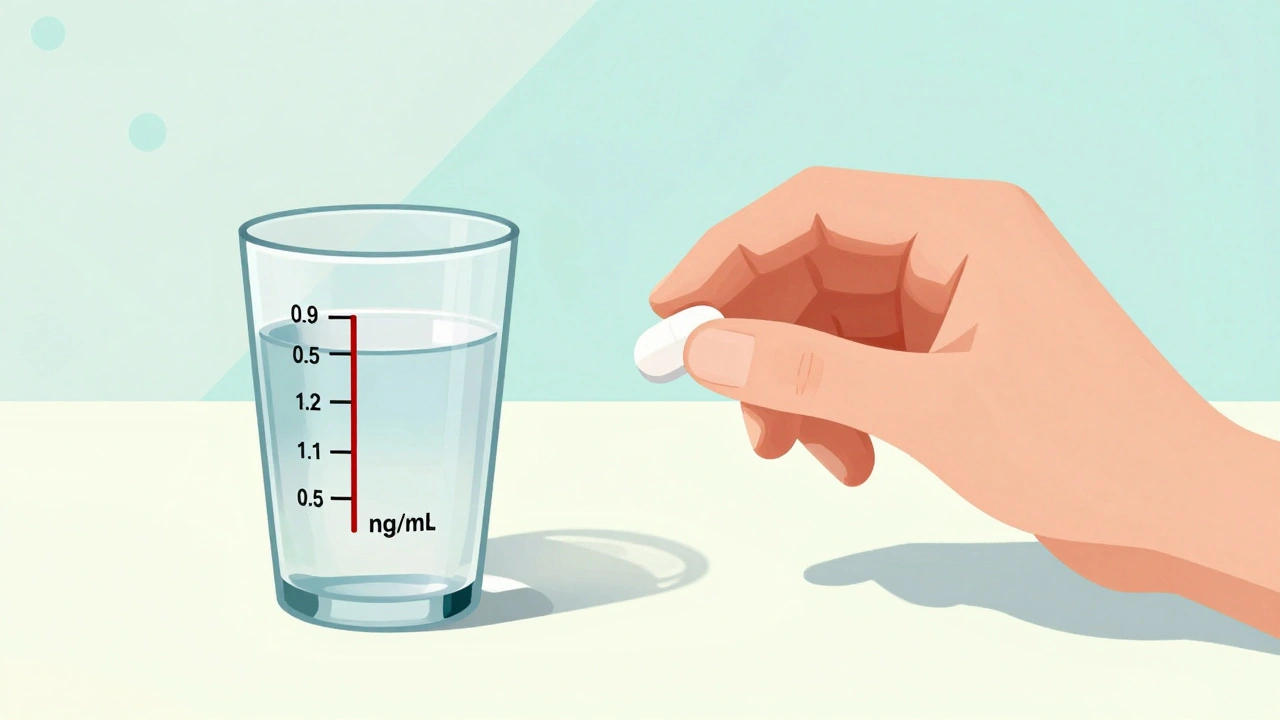
Medications with a Narrow Therapeutic Index: Why Expiration Dates Matter More Than You Think
Narrow therapeutic index drugs like warfarin, lithium, and digoxin require extreme precision. Even minor potency loss after expiration can lead to life-threatening consequences. Here's why you must never use expired NTI medications.
Read More