Vitamin E and Warfarin: What You Need to Know About the Interaction
When you take warfarin, a blood thinner used to prevent dangerous clots in people with atrial fibrillation, deep vein thrombosis, or artificial heart valves, your body’s clotting system is carefully balanced. Adding vitamin E, a fat-soluble antioxidant often taken for heart health or skin benefits can throw that balance off—especially at high doses. This isn’t just a theoretical concern. Studies show vitamin E, particularly in doses above 400 IU daily, can enhance warfarin’s effect, leading to higher INR levels and a greater chance of bleeding.
The link between vitamin E, a nutrient found in nuts, seeds, and vegetable oils and warfarin, an anticoagulant that blocks vitamin K-dependent clotting factors isn’t fully understood, but it likely involves vitamin E’s mild antiplatelet action. It doesn’t work like aspirin, but it can make platelets less sticky. When that effect combines with warfarin’s thinner-blood mechanism, the result isn’t additive—it’s multiplicative. People on warfarin who start taking high-dose vitamin E supplements often see their INR climb without any change in warfarin dose. That’s why doctors ask patients on blood thinners to avoid vitamin E supplements unless closely monitored.
What does this mean for you? If you’re on warfarin and already taking vitamin E, don’t stop abruptly—talk to your provider. Sudden changes can cause clots. But if you’re thinking about starting vitamin E for its antioxidant benefits, know this: most people get enough from food. Almonds, spinach, sunflower seeds, and avocado are great sources. You don’t need a pill. And if you’re taking a multivitamin with vitamin E, check the label. Many contain 100–200 IU—low enough to be safe for most, but still worth mentioning to your doctor. The real danger comes from standalone supplements labeled as "high potency" or "1000 IU." Those aren’t harmless. They can turn a stable INR into a medical emergency.
It’s not just vitamin E. Other supplements like ginkgo, garlic, and fish oil also interact with warfarin. That’s why the list of things to avoid on blood thinners keeps growing. But vitamin E is one of the most overlooked. People assume because it’s a vitamin, it’s safe. It’s not. The same way you wouldn’t drink grapefruit juice with statins, you shouldn’t take high-dose vitamin E with warfarin. Your INR matters more than you think. A single point above your target range can mean bruising, nosebleeds, or worse. And if you’re on warfarin, you’ve already got one foot in the world of delicate balances. Don’t add unnecessary risk.
Below, you’ll find real-world insights from posts that dig into how medications like warfarin behave in the body, what affects their effectiveness, and how common supplements quietly change the game. From INR monitoring to drug interactions you didn’t know about, these articles give you the facts—not the fluff—so you can stay safe and in control.
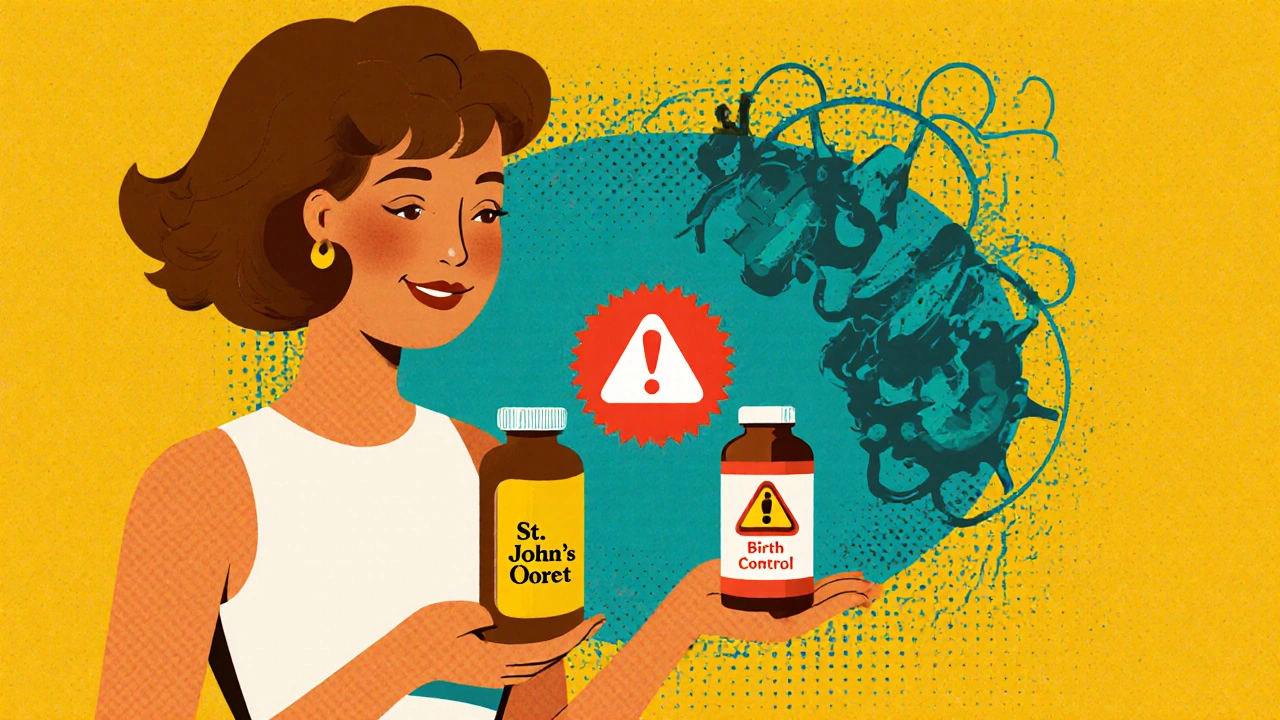
Questions to Ask Before Taking Any Supplement with Medicines
Many people take supplements with their medications without knowing the risks. Learn the critical questions to ask before combining herbs, vitamins, or minerals with prescriptions to avoid dangerous interactions, serious side effects, or treatment failure.
Read More