Trauma Nightmares: Causes, Triggers, and What You Can Do
When you relive a traumatic event every night in your dreams, it’s not just bad luck—it’s your brain trying to process what it couldn’t during the day. trauma nightmares, recurring, vivid dreams that replay or symbolize a past traumatic event, often linked to PTSD. Also known as post-traumatic nightmares, they’re not just scary—they’re a sign your nervous system is stuck in fight-or-flight mode, even while you sleep. Unlike regular bad dreams, trauma nightmares feel real. You might wake up sweating, heart pounding, convinced the danger is still happening. And that’s not just emotional—it’s biological.
These nightmares don’t happen in isolation. They’re closely tied to PTSD, a mental health condition triggered by experiencing or witnessing a terrifying event. Also known as post-traumatic stress disorder, it affects how the brain stores memories and manages fear. People with PTSD often have disrupted sleep cycles, especially REM sleep, where most dreaming happens. That’s why trauma nightmares are so common—your brain is stuck replaying the event, trying to make sense of it. But instead of healing, the replay keeps the wound open. And over time, the fear of sleeping can make things worse. You start avoiding bed. You drink to numb it. You take sleeping pills that don’t fix the root problem.
It’s not just about the dream itself—it’s about what follows. Poor sleep from trauma nightmares worsens anxiety, depression, and even physical pain. It makes it harder to focus at work, stay present with loved ones, or feel safe anywhere—even in your own home. This isn’t something you can just "get over." It’s a neurological loop that needs breaking. And the good news? There are proven ways to do it. Some people find relief with therapy like imagery rehearsal therapy, a cognitive-behavioral technique where you rewrite the ending of your nightmare while awake. Others benefit from medications that reduce REM sleep intensity, or from trauma-focused counseling that helps the brain reprocess the memory safely. Sleep hygiene matters too—keeping a regular schedule, cutting caffeine after noon, and avoiding screens before bed can help. But if the nightmares keep coming, those steps alone won’t be enough.
What you’ll find in the posts below aren’t generic sleep tips. They’re real, practical insights from people who’ve lived through this—and the doctors who’ve helped them. You’ll see how trauma nightmares connect to other conditions like depression and chronic pain, what treatments actually work (and what doesn’t), and how to talk to your doctor about getting real help. No fluff. No vague advice. Just clear, actionable info that speaks to what you’re going through right now.
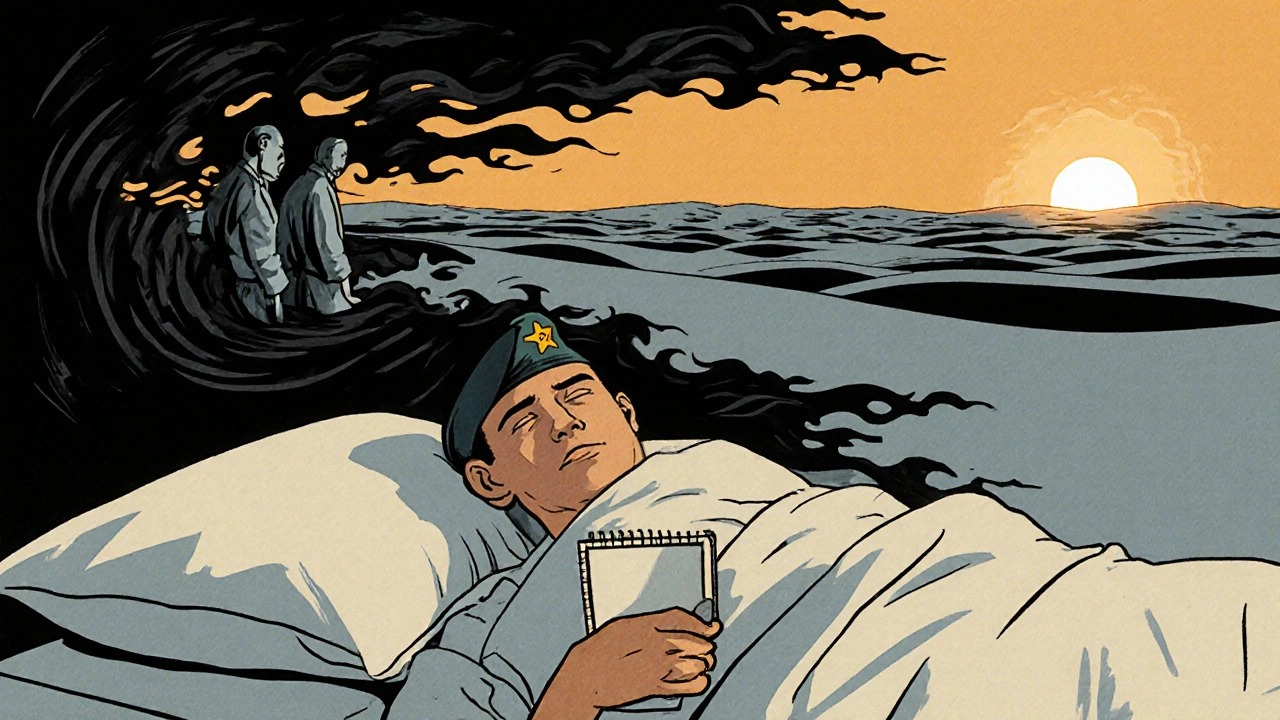
Nightmares and PTSD: How Imagery Rehearsal Therapy Works
Imagery Rehearsal Therapy is a proven, drug-free method to stop PTSD nightmares. Learn how rewriting your dreams can improve sleep, reduce trauma symptoms, and restore your sense of control.
Read More