Supplement and Medication Interactions: What You Need to Know Before You Take Them Together
When you take a supplement and medication interaction, a chemical clash between a dietary supplement and a prescription or over-the-counter drug that can change how either one works in your body. Also known as nutrient-drug interaction, it can turn a safe treatment into a danger zone—even if you’re just taking a daily vitamin. Most people assume that because supplements are "natural," they’re harmless. But that’s not true. A daily fish oil pill can thin your blood enough to make your blood thinner dangerous. A magnesium supplement might cancel out your antibiotic. And vitamin K can undo the effect of your warfarin, turning a life-saving drug into a ticking time bomb.
These aren’t rare edge cases. Look at the posts here: metformin drains vitamin B12 over time, tetracycline and isotretinoin together can cause deadly brain pressure, and risperidone mixed with alcohol can knock you out cold. These are all drug interactions, unintended effects that happen when two or more substances affect each other’s absorption, metabolism, or action in the body. Also known as pharmacological interaction, they’re why doctors need to know everything you’re taking—not just the pills you got from the pharmacy. Even something as simple as grapefruit juice can stop your body from breaking down statins, leading to muscle damage. Or St. John’s wort, a popular mood supplement, can make birth control fail, antidepressants useless, or transplant drugs stop working entirely. These aren’t myths. They’re documented in clinical studies and reported in real hospitals.
And it’s not just about what you take—it’s about who you are. Women are more likely to have bad reactions because drug trials were built on men’s bodies. Older adults juggle five or more meds and supplements, making interactions more likely. Kids get dosed wrong because their weight changes fast. And if you’re on blood thinners, diabetes meds, or psychiatric drugs, you’re in the high-risk group. The herbal supplements, plant-based products sold as health aids that often have powerful biological effects and can interfere with prescription medications. Also known as botanicals, they are commonly used for sleep, digestion, or energy but rarely tested for safety with modern drugs. list is long: garlic, ginseng, echinacea, curcumin, melatonin. Each one has a hidden risk. The FDA doesn’t require supplement makers to prove they’re safe with your meds. That’s your job.
What you’ll find in the posts below isn’t theory. It’s real-world examples. You’ll see how Gasex compares to other gas relievers, why calcium carbonate matters in animal feed (yes, it’s relevant), how vitamin B12 loss from metformin is often missed, and how even a common antibiotic can trigger brain swelling when paired with acne medicine. These aren’t random articles. They’re warning signs written in plain language. No fluff. No jargon. Just what happens when things mix—and what to do before you take another pill.
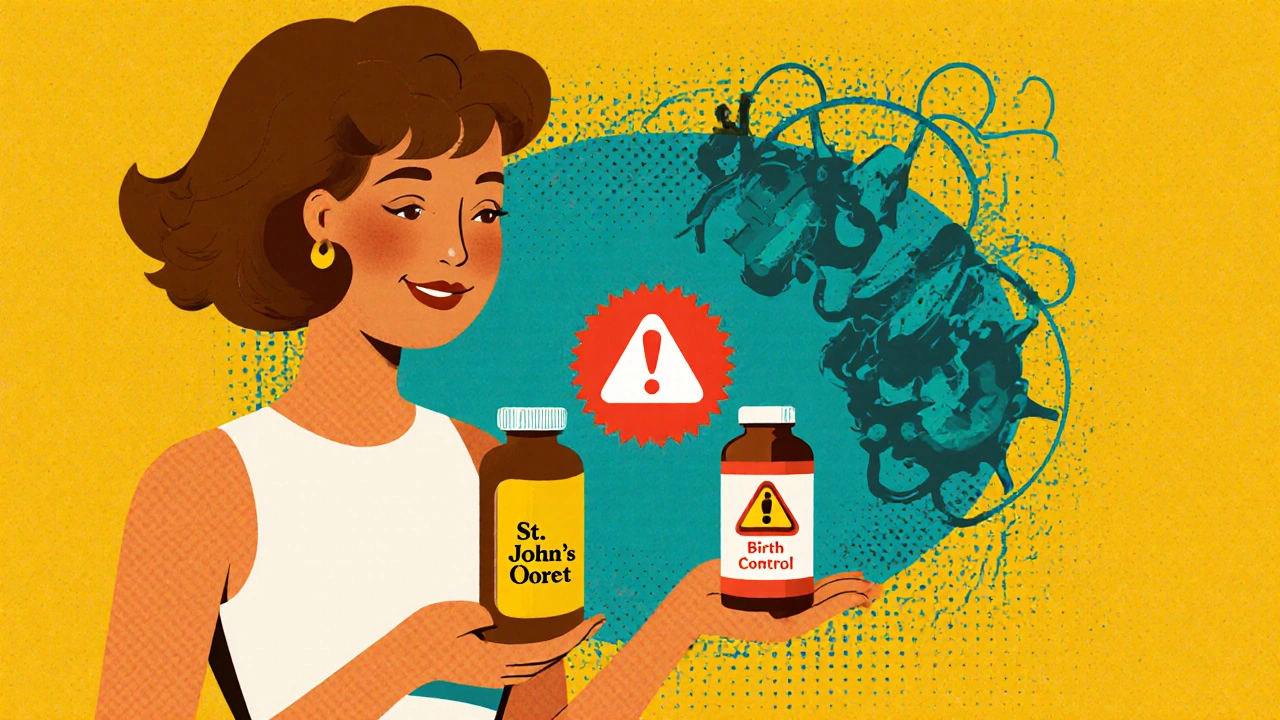
Questions to Ask Before Taking Any Supplement with Medicines
Many people take supplements with their medications without knowing the risks. Learn the critical questions to ask before combining herbs, vitamins, or minerals with prescriptions to avoid dangerous interactions, serious side effects, or treatment failure.
Read More