Safe Storage: How to Keep Medications Secure and Out of Harm's Way
When we talk about safe storage, the practice of keeping medications in secure, child-resistant, and temperature-appropriate locations to prevent accidental exposure or misuse. Also known as medication security, it’s not just about locking a cabinet—it’s about stopping tragedies before they happen. Every year, over 60,000 children in the U.S. end up in emergency rooms after getting into medicines left within reach. And it’s not just kids—teens, visitors, and even pets can be at risk if pills are left on counters, in purses, or in unsecured drawers.
Child-safe medicine storage, using locked cabinets, high shelves, or specially designed containers that require complex actions to open. Also known as tamper-resistant storage, it’s the first line of defense against accidental poisoning. The FDA and CDC both stress that medicines should never be stored in bathrooms or kitchens—places with moisture, heat, or easy access. Instead, use a high cabinet with a latch, a locked box, or even a medicine lockbox connected to a smart alarm. These aren’t luxuries—they’re necessities, especially if you have kids, elderly relatives, or anyone in the house taking multiple prescriptions.
Drug storage, the proper environmental conditions needed to maintain a medication’s potency and safety, including protection from light, heat, and humidity. Also known as pharmaceutical storage, it’s just as important as keeping pills out of reach. Some drugs—like insulin, nitroglycerin, or certain antibiotics—lose effectiveness if exposed to heat or moisture. Others, like opioids or benzodiazepines, become dangerous if they fall into the wrong hands. That’s why safe storage isn’t one-size-fits-all. It’s a mix of physical security and environmental control. For example, keeping your pain meds in a locked box in a cool bedroom closet is smarter than leaving them in a medicine cabinet above the sink.
And it’s not just about accidents. Prescription drug misuse is a growing problem, especially among teens who find old pills in their parents’ medicine cabinets. A single bottle of oxycodone or Adderall can be the start of a dangerous habit. Safe storage cuts that risk at the source. It’s not about distrust—it’s about responsibility. You wouldn’t leave a loaded gun on the coffee table. Why treat pills any differently?
Here’s what you can do today: Check every drawer, nightstand, and purse in your home. Are there expired or unused pills lying around? If yes, you’re already at risk. Take them to a pharmacy drop-off or use a drug disposal kit. Then, pick one spot—just one—for all medications. Lock it. Make sure everyone in the house knows it’s off-limits. That’s it. No fancy gadgets needed. Just common sense.
Below, you’ll find real-world advice from people who’ve seen what happens when safe storage is ignored. From parents who caught their kids stealing pills, to pharmacists who’ve treated overdose cases from improperly stored medications, these stories aren’t hypothetical. They’re happening right now. And the fixes? They’re simple. You just need to act.
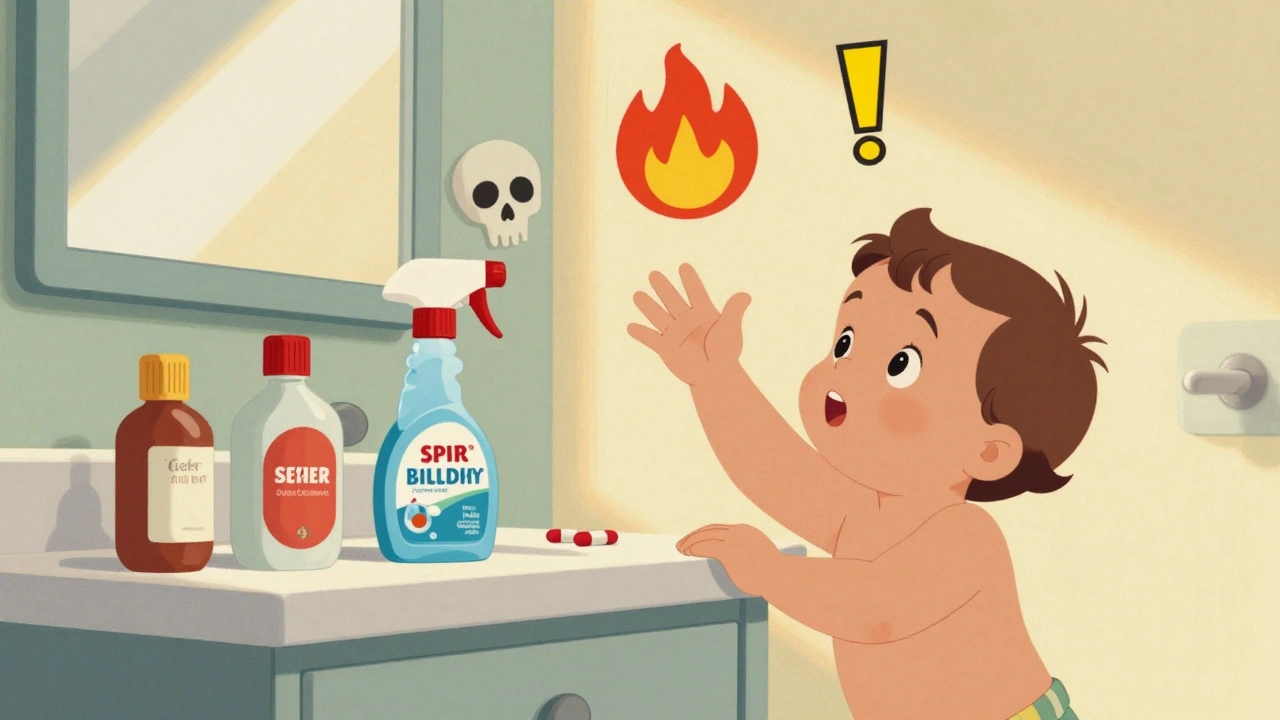
How to Separate Household Chemicals from Medication Storage for Safety
Separate household chemicals and medications to prevent poisoning, protect medicine effectiveness, and keep kids safe. Follow expert-backed storage rules for a safer home.
Read More