Reduce Drug Side Effects: Smart Ways to Stay Safe on Medications
When you take a medication, your body doesn’t just absorb the drug—it reacts to it. That’s why reduce drug side effects, the practice of minimizing unwanted reactions to prescription and over-the-counter drugs isn’t about avoiding medicine—it’s about using it smarter. Many people think side effects are just bad luck, but the truth is, most are preventable. Whether it’s nausea from GLP-1 drugs, nerve damage from long-term metformin, or dangerous potassium spikes from heart meds, these aren’t random. They’re signals. And you can act on them.
One major factor is drug interactions, when two or more substances change how each other works in your body. Take ashwagandha with thyroid meds—it can push your hormone levels too high. Or St. John’s wort with antidepressants—it can trigger serotonin syndrome. Even something as simple as grapefruit juice can mess with cholesterol drugs. Then there’s supplement safety, how vitamins, herbs, and minerals can quietly interfere with your prescriptions. Vitamin E with warfarin? Risk of bleeding. Calcium carbonate with antibiotics? Reduced absorption. These aren’t edge cases—they show up again and again in real patient stories.
Another big piece is how your body processes the drug itself. Women, for example, often experience more side effects than men—not because they’re more sensitive, but because most drug studies were done on men. Dosing wasn’t adjusted for weight, metabolism, or hormone cycles. And with generics, while they’re just as effective as brand names thanks to bioequivalence, the scientific standard proving generics work the same way as brand drugs, some people still report differences. That’s not always the drug—it’s the fillers, the coating, or even how fast your stomach empties.
What you eat, when you take the pill, and even your sleep patterns can shift how a drug behaves. Metformin causes B12 loss over time—not because it’s toxic, but because it blocks absorption. A simple blood test and a B12 supplement can stop nerve damage before it starts. GLP-1 drugs cause nausea? Eat slower. Smaller meals. Avoid fatty foods. It’s not magic—it’s pharmacology. And it’s not just about avoiding bad reactions. It’s about keeping you on the meds that actually save your life.
You don’t have to suffer through side effects to get better. The goal isn’t to stop taking your medicine—it’s to make sure it works the way it should. Below, you’ll find real cases showing how people cut their nausea, avoided dangerous interactions, and stayed on life-saving drugs without the usual toll. No fluff. No guesses. Just what works, backed by science and patient experience.
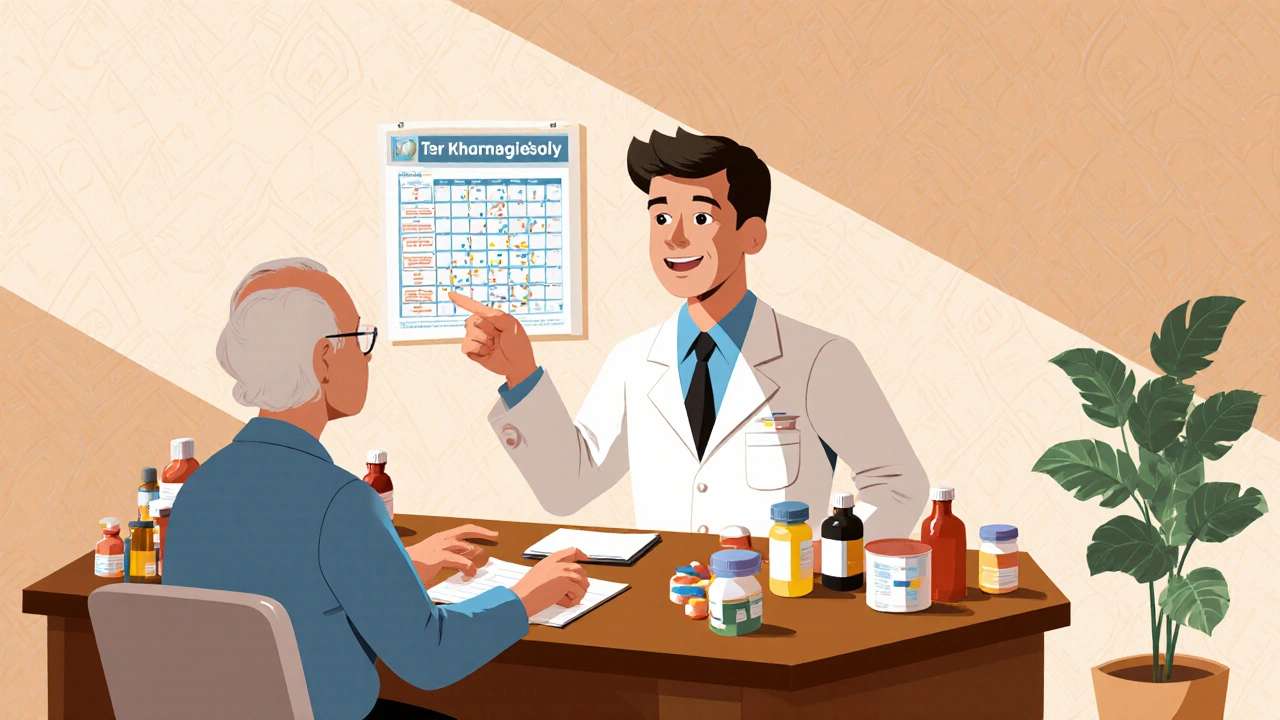
Annual Medication Review with a Pharmacist: Reduce Side Effects and Stay Safe
An annual medication review with a pharmacist helps reduce side effects, prevent dangerous interactions, and simplify complex drug regimens. Learn how this simple step can keep you safer and healthier.
Read More