PTSD Sleep Therapy: How to Restore Restful Sleep After Trauma
When your mind won’t shut down at night, even after years have passed, you’re not just tired—you’re stuck in a loop shaped by PTSD, a mental health condition triggered by trauma that disrupts normal brain function, especially during sleep. For many, sleep isn’t rest—it’s a battlefield. Nightmares replay the event. Hypervigilance keeps your body tense. Falling asleep feels impossible, and waking up exhausted becomes the norm. This isn’t laziness or stress. It’s your nervous system stuck in fight-or-flight mode, and PTSD sleep therapy, a targeted approach to treat trauma-induced insomnia through behavioral, psychological, and sometimes pharmacological methods is the way out.
Most people try sleeping pills, but they rarely fix the root cause. The real work happens in rewiring how your brain processes fear at night. Cognitive behavioral therapy for sleep, a structured, evidence-based method that changes thought patterns and behaviors interfering with rest has been proven in multiple studies to reduce nightmares and improve sleep quality in PTSD patients more than medication alone. It’s not about counting sheep—it’s about retraining your brain to see bedtime as safe. Techniques like imagery rehearsal therapy, where you rewrite the ending of your nightmare while awake, have helped veterans, survivors of assault, and first responders regain control. Sleep hygiene matters too: consistent bedtime, no screens before bed, and avoiding caffeine after noon aren’t just tips—they’re medical tools. When your body learns that darkness equals safety again, your nervous system begins to heal.
It’s not a quick fix, but it’s one that lasts. Unlike sleeping pills that wear off or cause dependence, PTSD sleep therapy builds skills you keep for life. You’ll find real stories in the posts below—people who went from waking up screaming every night to sleeping through without drugs. Some used therapy. Others combined it with gentle movement, breathing exercises, or even specific lighting routines. What works for one person might not work for another, but the common thread? They didn’t just wait for sleep to come back. They took back their nights, one step at a time. Below, you’ll see practical advice from real cases: how to handle nightmares, what to ask your doctor about medications, and how daily habits stack up to make a difference. No fluff. No guesswork. Just what actually helps.
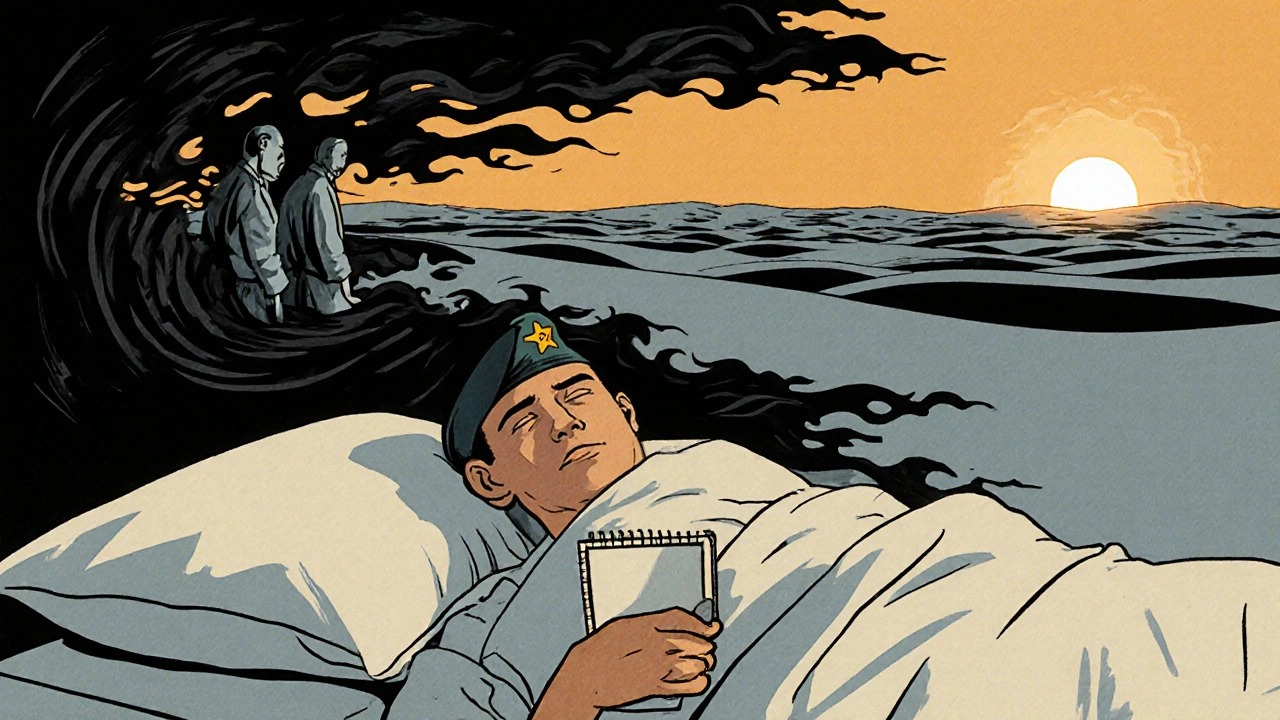
Nightmares and PTSD: How Imagery Rehearsal Therapy Works
Imagery Rehearsal Therapy is a proven, drug-free method to stop PTSD nightmares. Learn how rewriting your dreams can improve sleep, reduce trauma symptoms, and restore your sense of control.
Read More