LDL Cholesterol: What It Is, Why It Matters, and How to Manage It
When doctors talk about LDL cholesterol, a type of lipoprotein that carries cholesterol through the bloodstream and is linked to artery-clogging plaque. Also known as bad cholesterol, it's not the villain everyone makes it out to be—but too much of it is one of the clearest predictors of heart attacks. Unlike HDL, which sweeps cholesterol away, LDL drops it off where it shouldn’t be: in the walls of your arteries. Over time, that buildup narrows blood vessels, raises blood pressure, and increases your risk of stroke or heart disease.
What pushes LDL up? It’s not just eating eggs or butter. Genetics play a big role—some people naturally make more LDL, no matter how clean their diet is. But lifestyle matters too. Refined carbs, sugary drinks, and trans fats spike LDL faster than saturated fat alone. Lack of movement, chronic stress, and smoking also make it worse. And here’s something many don’t realize: certain medications, like some steroids or beta-blockers, can raise LDL levels as a side effect. That’s why checking your numbers isn’t enough—you need to know what’s driving them.
Lowering LDL isn’t about quick fixes. Statins, a class of drugs that block cholesterol production in the liver and are the most studied treatment for high LDL work for most people, but they’re not the only option. Diet changes, like adding soluble fiber (oats, beans, apples) and plant sterols, can cut LDL by 10-15%. Regular aerobic exercise—brisk walking, cycling, swimming—boosts HDL and helps LDL particles become larger and less harmful. And weight loss, even just 5-10% of body weight, can drop LDL significantly if you’re overweight.
Some people worry about cholesterol-lowering supplements. Things like red yeast rice or bergamot sound natural, but they’re not regulated like prescription drugs. One study found red yeast rice contained the same active ingredient as statins—and sometimes in inconsistent doses. That’s risky. If you’re considering supplements, talk to your doctor first. Many of the posts here dive into how supplements interact with medications, including those used for cholesterol, so you don’t accidentally undo your progress.
And while LDL gets all the attention, it’s not the whole story. Triglycerides, HDL, and particle size matter too. But if you’re trying to protect your heart, managing LDL is the most direct step you can take. The posts below cover real-world strategies: how metformin affects cholesterol, why some blood thinners interact with lipid meds, what to ask before combining supplements with prescriptions, and how generic versions of statins work just as well as brand names at a fraction of the cost. You’ll find no fluff—just clear, practical info on what actually moves the needle on your numbers.
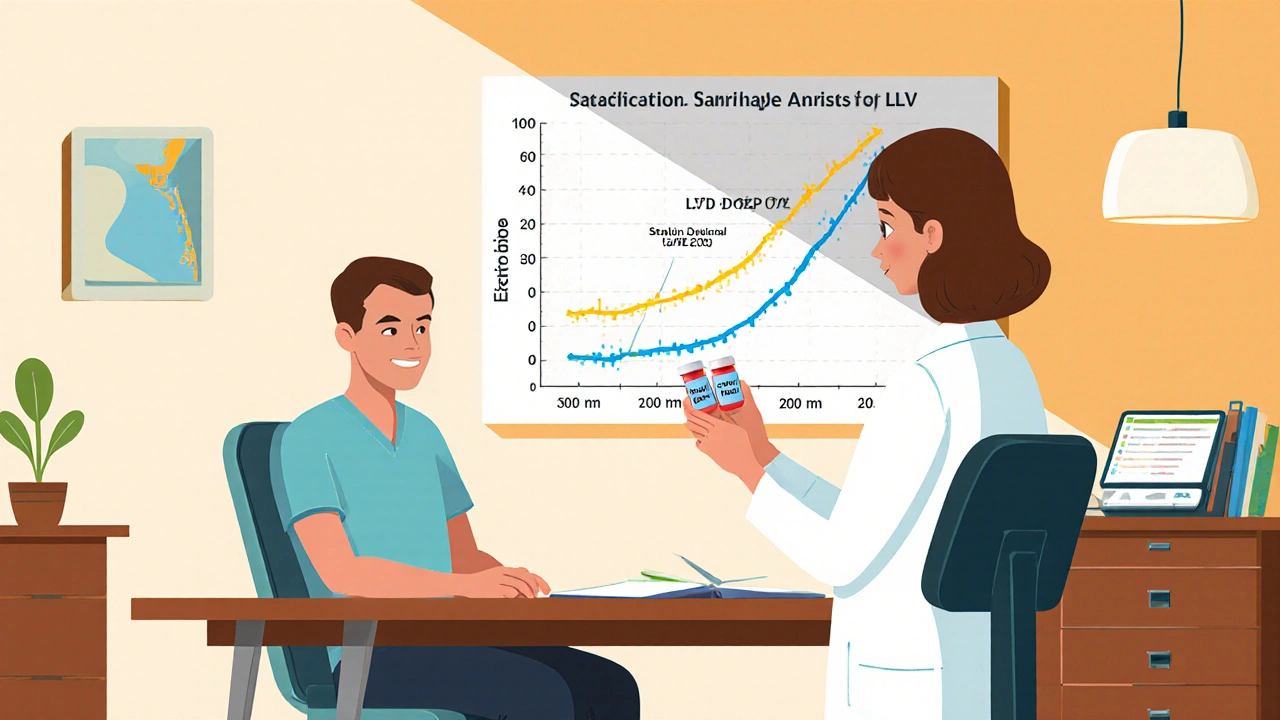
Combination Cholesterol Therapy with Reduced Statin Doses: A Smarter Way to Lower LDL
Combination cholesterol therapy with reduced statin doses offers a safer, more effective way to lower LDL levels-especially for high-risk patients. Learn how pairing a moderate statin with ezetimibe outperforms high-dose statins alone.
Read More