GLP-1 Side Effects: What You Really Need to Know Before Starting Treatment
When you hear about GLP-1 agonists, a class of drugs used for type 2 diabetes and weight loss that mimic a natural hormone in the gut. Also known as GLP-1 receptor agonists, these medications help your body control blood sugar and reduce appetite by signaling fullness faster. Drugs like semaglutide (Wegovy, Ozempic) and liraglutide (Saxenda, Victoza) have become popular for weight loss — but they’re not without risks. Many people start them expecting quick results, only to be caught off guard by side effects that hit hard in the first few weeks.
The most common issue? nausea, a frequent reaction to GLP-1 agonists as your digestive system adjusts to slower emptying. It’s not just a little queasiness — for some, it’s constant, lasting weeks. Vomiting, diarrhea, and constipation are also common. These aren’t rare side effects; they’re expected in up to half of users during the first month. What’s less talked about is how these drugs can trigger gallbladder problems, including gallstones and inflammation, especially in people losing weight rapidly. The FDA has flagged this risk, and doctors aren’t always upfront about it.
Then there’s the scary stuff — pancreatitis, a rare but dangerous inflammation of the pancreas linked to GLP-1 drugs. While the chance is low, it’s real. People have ended up in the ER with severe abdominal pain after starting these medications. There’s also the question of long-term thyroid risks — animal studies showed tumors, though human data is still unclear. And don’t forget the mental health angle: depression, anxiety, and even suicidal thoughts have been reported in post-market studies, though the link isn’t proven. These aren’t side effects you can ignore.
What most people don’t realize is that side effects don’t just disappear after the first month. For some, nausea sticks around. Others develop a loss of appetite so extreme they can’t keep food down — and that’s not always a good thing. Muscle loss, fatigue, and dizziness are underreported but real. If you’re on one of these drugs and suddenly feel off, it’s not "just your body adjusting." It might be your body telling you something’s wrong.
The posts below dig into what you won’t hear from ads or even some doctors. You’ll find real stories about how GLP-1 side effects show up in daily life — from the nausea that ruins workdays to the panic when you can’t keep water down. We break down what’s normal, what’s dangerous, and how to talk to your provider without sounding paranoid. You’ll also see how these drugs interact with other meds, why some people react worse than others, and what alternatives exist if the side effects outweigh the benefits. This isn’t hype. It’s what happens when you look past the marketing and ask the hard questions.
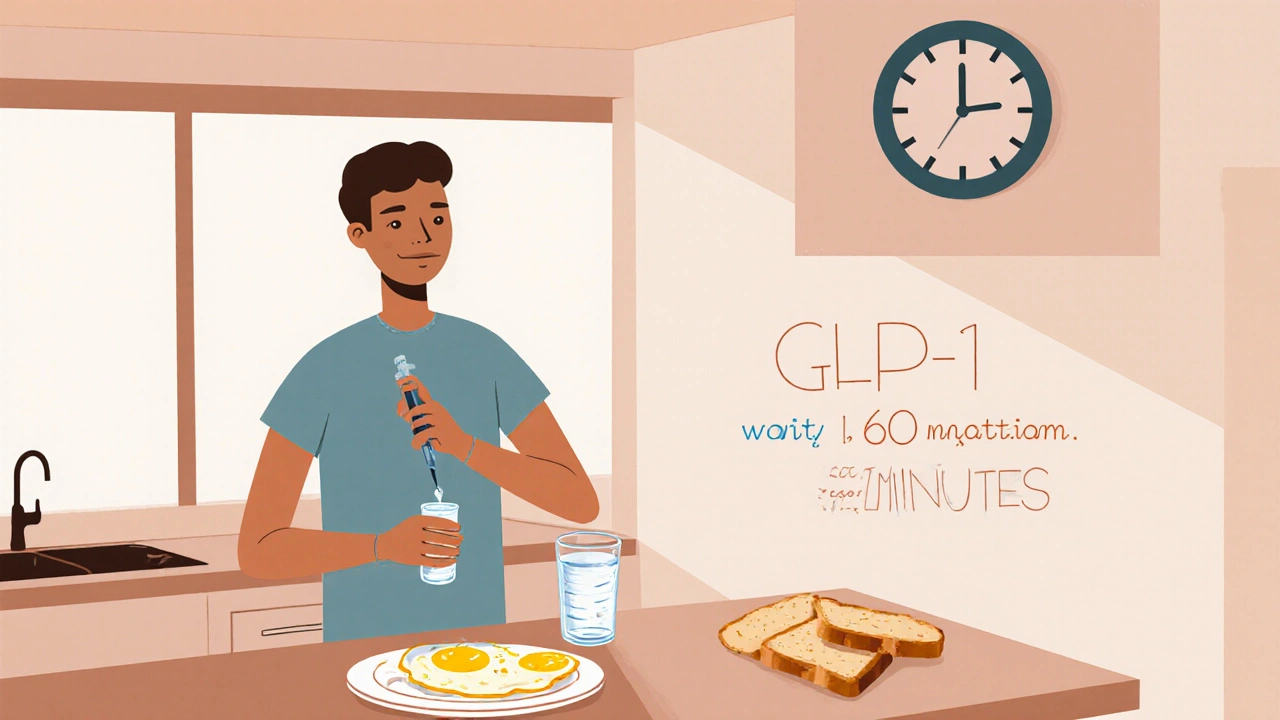
GLP-1 GI Side Effects: Meal Planning and Dose Titration Tips to Stay on Track
Learn how to manage nausea, vomiting, and other GI side effects from GLP-1 drugs like Ozempic and Wegovy with practical meal planning and dose titration strategies backed by clinical data and patient success stories.
Read More