Eyelid Surgery: What It Is, Who It Helps, and What You Need to Know
When people talk about eyelid surgery, a surgical procedure to remove excess skin, fat, or muscle from the upper or lower eyelids. Also known as blepharoplasty, it’s often done to improve vision or reduce the tired look that comes with aging. But it’s not just cosmetic. For many, drooping eyelids aren’t just a nuisance—they block part of their field of vision, cause headaches from straining to see, or make their eyes feel heavy all day.
It’s not just older adults who need this. People with genetic traits, long-term allergies, or even chronic eye fatigue can develop excess skin that interferes with daily life. The procedure targets specific areas: upper eyelid surgery removes hooding that遮挡 vision, while lower eyelid surgery fixes puffiness or bags that make you look exhausted—even when you’re not. It’s a targeted fix, not a full facial reset.
What you won’t hear from ads is how much recovery varies. Some bounce back in a week. Others deal with swelling for weeks. Bruising is normal. Dry eyes? Common. And it’s not a one-size-fits-all fix—surgeons adjust based on whether you need skin removed, fat redistributed, or muscle tightened. That’s why asking the right questions before surgery matters more than the price tag.
There’s also a hidden side: eyelid surgery can change how you use your face. After the procedure, some people report less eyebrow raising (because they don’t need to lift their lids anymore), which can make them look calmer or even more approachable. Others notice their makeup application changes—less eyeliner needed, different shadow placement. These small shifts add up.
And while it’s often grouped with cosmetic procedures, it’s medically recognized when vision is affected. Insurance may cover it if an eye exam proves your upper lids are blocking your sight. That’s not a loophole—it’s a rule backed by ophthalmology guidelines.
What you’ll find in the posts below aren’t glossy before-and-afters. They’re real discussions about what happens before, during, and after. You’ll see how medications interact with healing, why certain supplements should be avoided, and how even something as simple as vitamin B12 levels can affect nerve recovery. There’s no fluff—just practical insights from people who’ve been through it, and the science behind why it works—or doesn’t.
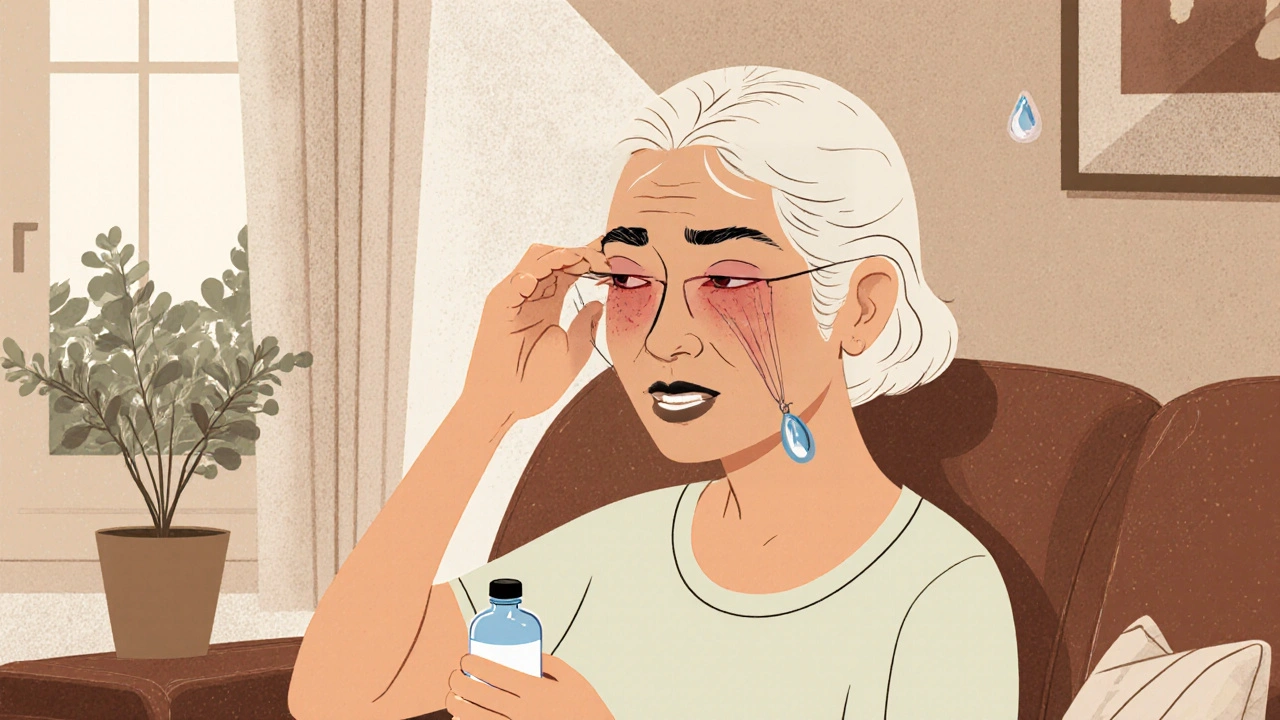
Eyelid Disorders: Understanding Ptosis, Entropion, and When Surgery Is Needed
Ptosis and entropion are common eyelid disorders that can block vision and damage the cornea. Learn the signs, causes, and surgical fixes-plus what you can do before surgery to protect your eyes.
Read More