Drug Traceability: How We Track Medicines from Factory to You
When you swallow a pill, drug traceability, the system that tracks pharmaceuticals from manufacturer to patient. It's not just paperwork—it’s a digital chain that stops fake drugs, recalls contaminated batches, and keeps you safe. Without it, you could be taking a pill made in an unregulated lab, mislabeled, or even poisoned. This isn’t science fiction. In 2023, the WHO estimated that 1 in 10 medical products in low- and middle-income countries are substandard or falsified. Even in the U.S., counterfeit drugs show up in online pharmacies and supply chain gaps. Drug traceability closes those gaps.
It works through unique identifiers—barcodes, RFID tags, serialized numbers—attached to every package. These travel with the drug through wholesalers, pharmacies, and hospitals. When a recall happens, regulators can pinpoint exactly which lots are affected, not just entire brands. This is why the FDA pushed for the Drug Supply Chain Security Act (DSCSA). It’s not about big brother tracking you—it’s about knowing if your blood pressure pill came from a clean factory or a shady warehouse. pharmaceutical supply chain, the network of manufacturers, distributors, and pharmacies that deliver medications is now built to be transparent, not just efficient. And generic drug tracking, the process of verifying the origin and authenticity of non-brand medications is just as critical. Generics make up 90% of prescriptions in the U.S., but they’re often made overseas. Traceability ensures that a generic metformin from India meets the same standards as the brand version.
It also connects to real safety issues you might already know about. Think about the metformin recalls over NDMA contamination, or the fake blood thinners that caused strokes. Without traceability, those problems spread silently. With it, the system flags bad batches fast. It’s why hospitals now scan prescriptions at the bedside—not just to avoid dosing errors, but to confirm the drug’s origin. And when you buy over-the-counter supplements, traceability isn’t always required. That’s why you see so many posts here about supplement interactions—because supplements often fly under the regulatory radar. But for prescription drugs? The system is getting tighter.
What you’ll find in these articles isn’t just theory. It’s how drug traceability ties into FDA approval processes, why generic drugs are safe to trust, how clinical data gets verified, and what happens when the chain breaks. You’ll see how it protects people on long-term metformin, those on blood thinners, or kids taking pediatric doses. It’s the invisible backbone behind every safe medication you take. And now, you know why it matters.
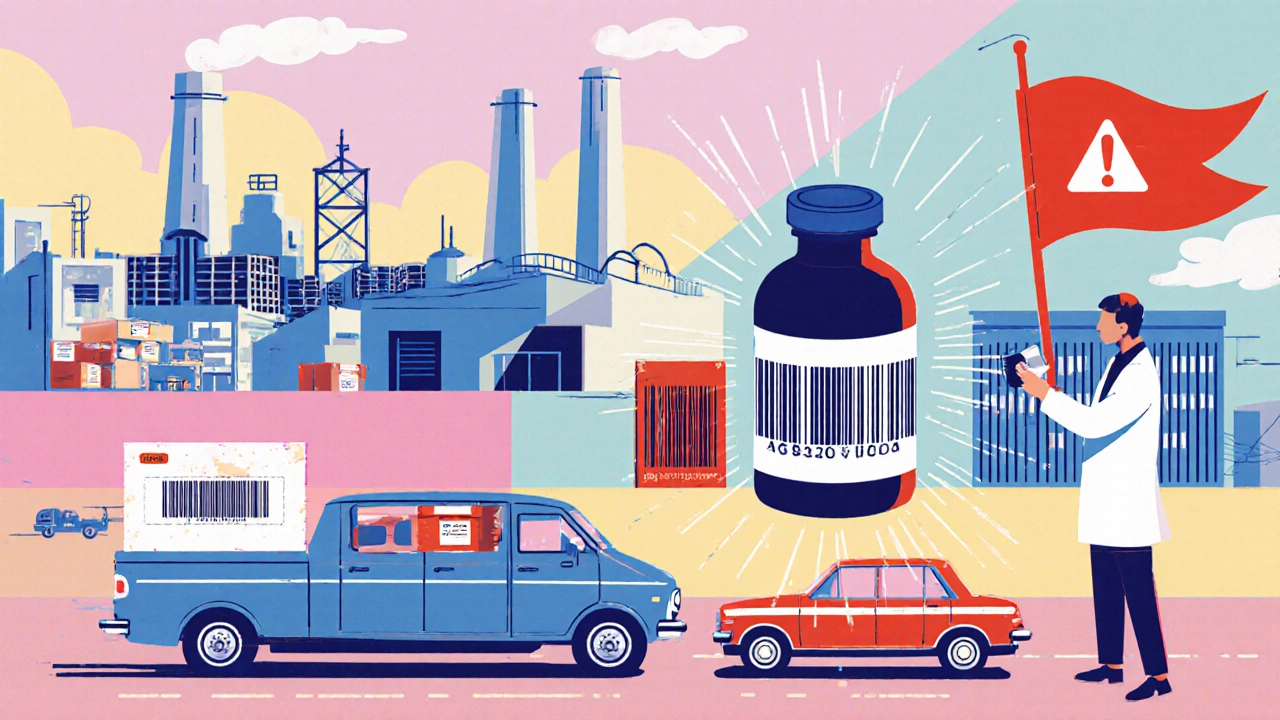
Supply Chain Security: How Legitimate Drugs Are Protected from Counterfeits
Learn how the DSCSA system uses serialization, electronic tracking, and real-time verification to stop counterfeit drugs before they reach patients. A deep look at the technology, costs, and gaps in U.S. pharmaceutical supply chain security.
Read More