Drug Serialization: What It Is and Why It Matters for Your Medications
When you pick up a prescription, drug serialization, a system that assigns a unique identifier to each medicine package to track it from manufacturer to patient. Also known as product tracing, it’s not just a tech buzzword—it’s a safety net that keeps counterfeit drugs out of your medicine cabinet. Every bottle, blister pack, or vial now carries a barcode or QR code linked to a national database. If something looks off—like a weird label or an unexpected price—pharmacists can scan it and instantly verify if it’s real. This isn’t science fiction. It’s the law in the U.S. under the Drug Supply Chain Security Act, and it’s already cutting down on fake opioids, expired antibiotics, and stolen cancer drugs.
Drug serialization doesn’t just protect you—it reshapes how pharmaceutical supply chains, the network of manufacturers, distributors, and pharmacies that move drugs from labs to patients operate. Before serialization, a drug could pass through ten hands without a single record of where it was or who handled it. Now, every transfer is logged digitally. That means if a batch is recalled because of contamination, you’re not left guessing whether your pills are affected. The system pinpoints exactly which packages are unsafe and stops them before they reach you. This also helps spot stolen drugs, which often end up online or in shady pharmacies. The FDA, the U.S. agency responsible for ensuring drug safety and enforcing serialization rules has been pushing this change for years, and the results are clear: fewer fake drugs in circulation, faster recalls, and more trust in the system.
It’s not perfect. Some small pharmacies still struggle with the cost of scanners and software. Some patients don’t realize they can—and should—ask their pharmacist to scan their prescription. But the trend is undeniable. Drug serialization is turning the medicine supply chain from a black box into a transparent, trackable system. And that matters because millions of people rely on these drugs to stay alive. Whether it’s your insulin, your blood thinner, or your daily heart pill, knowing it’s real isn’t a luxury—it’s a necessity. Below, you’ll find real-world stories and breakdowns of how this system affects everything from generic drug approvals to how your doctor chooses your meds. No fluff. Just what you need to know to stay safe.
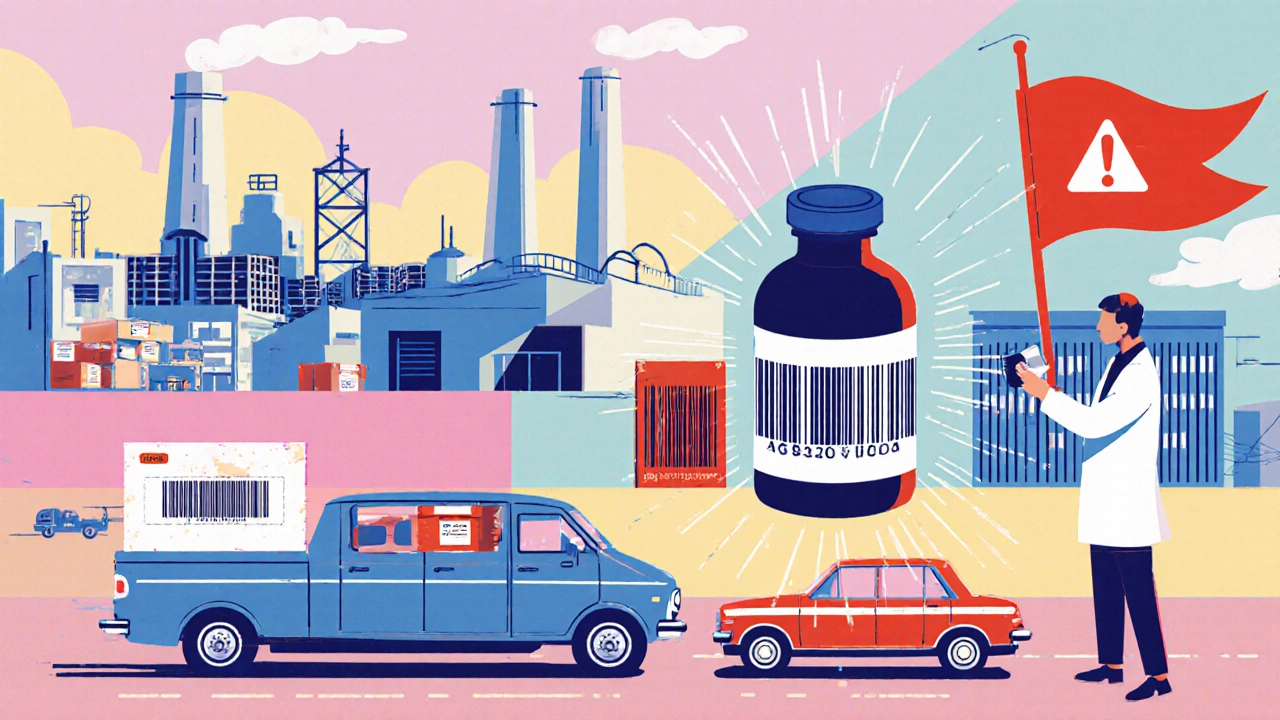
Supply Chain Security: How Legitimate Drugs Are Protected from Counterfeits
Learn how the DSCSA system uses serialization, electronic tracking, and real-time verification to stop counterfeit drugs before they reach patients. A deep look at the technology, costs, and gaps in U.S. pharmaceutical supply chain security.
Read More