Drug Safety: Protect Yourself from Dangerous Interactions and Medication Errors
When you take a medication, drug safety, the practice of using medicines correctly to avoid harm. Also known as medication safety, it’s not just about following the label—it’s about understanding what else is in your body, what you’re mixing it with, and whether your system can handle it. Every year, hundreds of thousands of people end up in the hospital because of preventable drug mistakes. Some of these happen because a pill looks like another. Others happen because someone took an herbal supplement thinking it was harmless—only to find out it turned their blood thinner into a ticking time bomb.
Medication interactions, when two or more substances affect each other’s behavior in the body are one of the biggest hidden risks. Danshen, a popular herb for heart health, can cause life-threatening bleeding when mixed with warfarin or Eliquis. Ashwagandha, often taken for stress, can push thyroid levels too high if you’re already on levothyroxine. Even common stuff like St. John’s wort or vitamin E can mess with blood thinners or antidepressants. And it’s not just herbs—alcohol and risperidone? That combo can drop your blood pressure dangerously low. These aren’t rare cases. They’re documented, preventable, and happening right now to people who thought they were being careful.
Medication errors, mistakes in prescribing, dispensing, or taking drugs happen at every level. A parent gives a child the wrong dose because they guessed instead of using the syringe that came with the bottle. An older adult mixes up pills because the bottles look too similar. A nurse misreads a handwritten script. Even the FDA’s own data shows that dosage form confusion—like mistaking a tablet for a capsule—leads to serious harm. That’s why checking drug names, strengths, and forms isn’t just a good habit—it’s a survival skill. And if you’re on five or more meds? An annual review with a pharmacist isn’t a luxury. It’s your best defense.
Supplement safety is another blind spot. Just because something says "natural" doesn’t mean it’s safe with your prescriptions. Many people don’t realize that the same herb that helps one person might poison another when combined with their heart or diabetes meds. And it’s not just about what you take—it’s about how you store it, when you take it, and whether you tell your doctor about it. Drug safety isn’t something you do once. It’s something you keep doing—every time you pick up a new bottle, start a new supplement, or feel a strange side effect.
Below, you’ll find real-world guides that cut through the noise. No fluff. No theory. Just what actually works to keep you safe—from spotting dangerous combinations to verifying your meds are correct to knowing when to ask your pharmacist for help. These aren’t hypothetical scenarios. They’re the exact situations people face every day. And if you’re taking any meds at all, you need to know this stuff.
How to Participate in Patient Registries for Drug Safety in 2026
Learn how to join patient registries for drug safety monitoring, understand mandatory vs voluntary participation, and find reliable databases to track medication effects.
Read More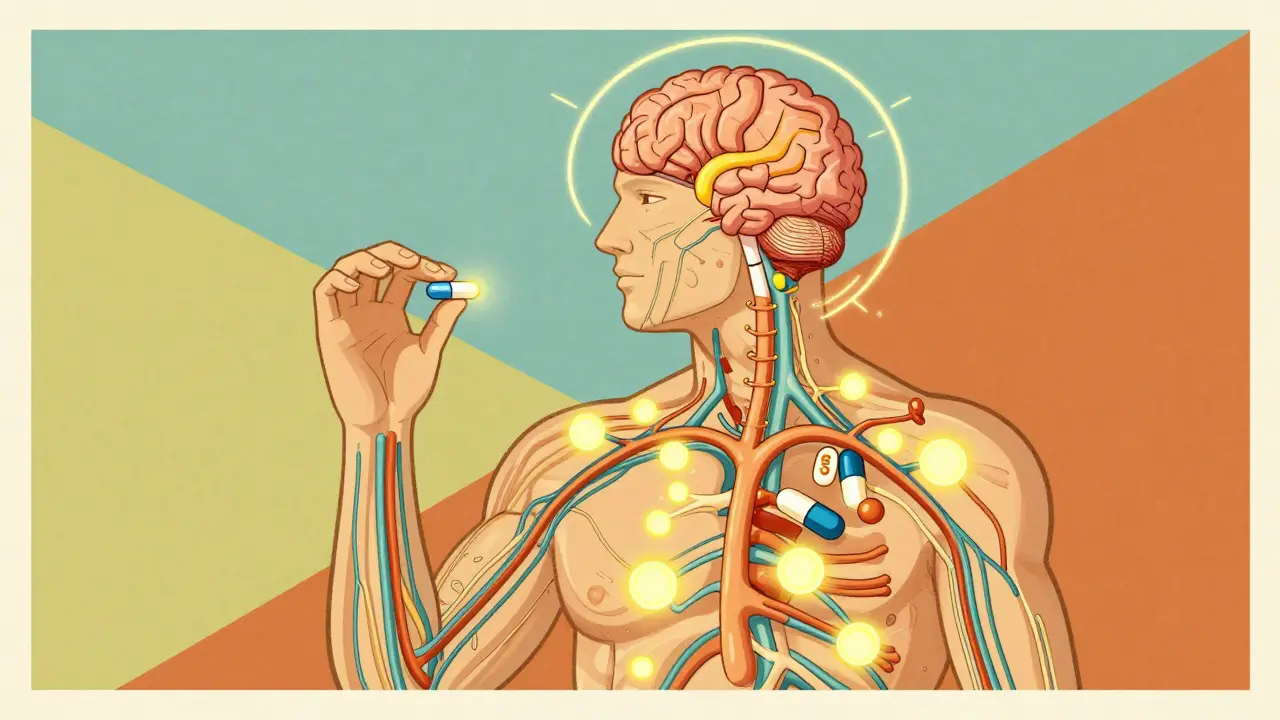
Antiemetics and Serotonergic Drugs: What You Need to Know About Serotonin Syndrome Risk
Ondansetron and other antiemetics can trigger serotonin syndrome when combined with SSRIs or other serotonergic drugs. Learn the risks, symptoms, and safer alternatives - especially if you're over 65 or on multiple medications.
Read More
Are Natural Products Safer Than Pharmaceuticals? The Real Risk of Interactions
Natural doesn't mean safe. Many herbal supplements interact dangerously with prescription drugs, yet most people don't realize the risks. Learn why supplements aren't regulated like pharmaceuticals-and how to protect yourself.
Read More