Diabetic Kidney Disease: Causes, Risks, and How Medications Affect It
When you have diabetes, your kidneys are under constant stress. Over time, high blood sugar damages the tiny filters in your kidneys, leading to diabetic kidney disease, a progressive condition where the kidneys lose their ability to filter waste and excess fluid from the blood. This isn’t just a side effect—it’s one of the leading causes of kidney failure in adults. About 1 in 3 people with diabetes will develop it, often without noticeable symptoms until it’s advanced.
What makes this worse is that many of the drugs used to manage diabetes and related conditions can also stress your kidneys. For example, metformin, a first-line diabetes medication that lowers blood sugar by reducing liver glucose production is generally safe—but if your kidneys are already damaged, it can build up in your system and cause lactic acidosis. Then there’s hyperkalemia, dangerously high potassium levels often triggered by blood pressure meds like ACE inhibitors or ARBs, which are commonly prescribed to protect kidneys in diabetics. These drugs help slow kidney damage, but they can also push potassium too high, risking heart rhythm problems. It’s a tightrope walk: treat the diabetes, protect the kidneys, but don’t trigger new dangers.
People with diabetic kidney disease often take multiple medications—blood pressure pills, cholesterol drugs, diabetes meds, sometimes even supplements. That’s why an annual medication review with a pharmacist isn’t optional; it’s lifesaving. Many don’t realize that even common over-the-counter painkillers like ibuprofen can reduce blood flow to the kidneys and make things worse. And while metformin is a cornerstone of diabetes care, long-term use can also lead to vitamin B12 deficiency, which mimics nerve damage from diabetes itself. Knowing which drugs are helping and which might be hurting is half the battle.
There’s no magic fix, but early detection changes everything. Simple blood and urine tests can catch kidney damage before it’s too late. Controlling blood sugar and blood pressure is the foundation. Cutting back on salt, staying hydrated, and avoiding NSAIDs can make a real difference. And if you’re on meds like ACE inhibitors or diuretics, regular monitoring of potassium and kidney function isn’t just routine—it’s critical.
Below, you’ll find real, practical advice from posts that dig into exactly these issues: how metformin affects your B12 levels, why hyperkalemia shows up in people with kidney disease, and how to safely manage your meds without trading one problem for another. This isn’t theory—it’s what works for people living with this condition every day.
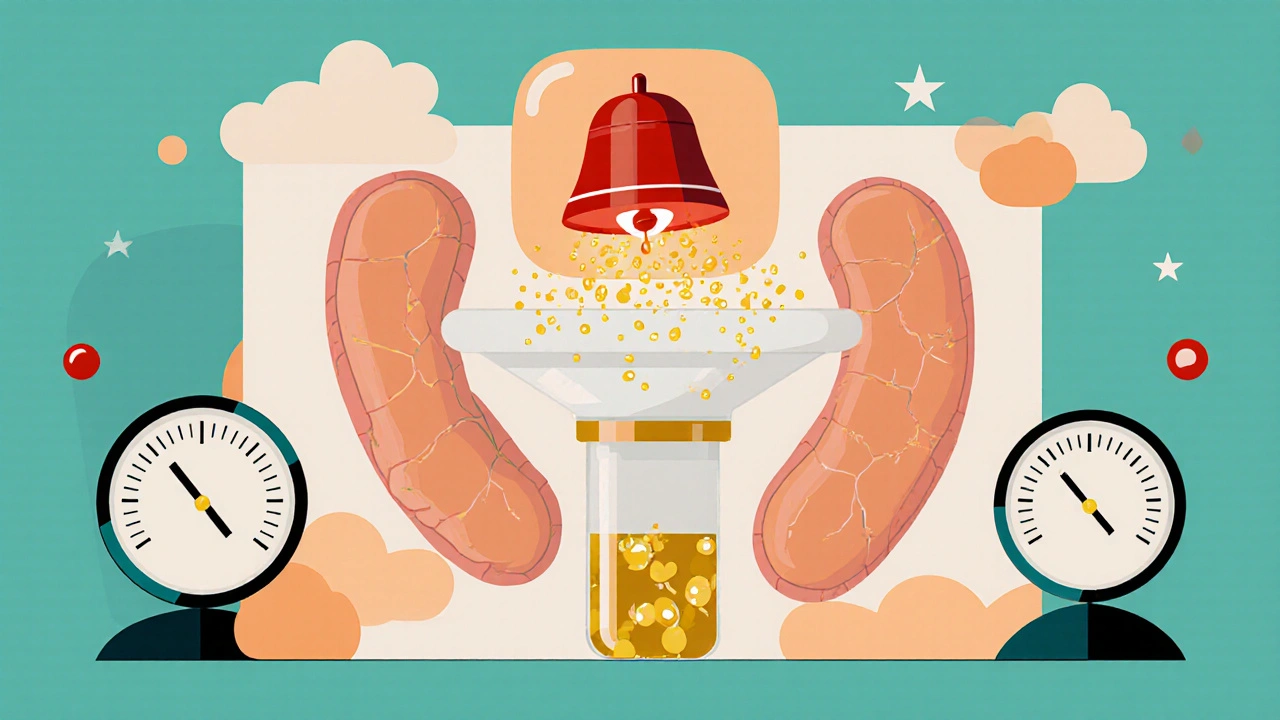
Diabetic Kidney Disease: How Early Albuminuria Signals Risk and Why Tight Control Saves Kidneys
Albuminuria is the earliest sign of diabetic kidney disease. Tight blood sugar and blood pressure control, plus modern medications, can stop or reverse damage-if caught in time.
Read More