Diabetes Medication: What Works, What to Watch For, and How Generics Help
When you’re managing diabetes medication, drugs used to control blood sugar in people with type 1 or type 2 diabetes. Also known as antihyperglycemic agents, these aren’t just pills you take—they’re tools that keep your body running smoothly when your pancreas can’t keep up. Whether you’re on insulin, metformin, or one of the newer GLP-1 drugs, the goal is simple: keep your blood sugar in a safe range without crashing or causing long-term damage.
Not all diabetes medication works the same way. metformin, the first-line drug for type 2 diabetes that reduces liver sugar production and improves insulin sensitivity. Also known as Glucophage, it’s been used for decades because it’s cheap, safe, and works for most people. Then there’s insulin, a hormone replacement therapy required by everyone with type 1 diabetes and some with advanced type 2. Also known as injectable glucose regulators, it’s not optional—it’s life-saving. And newer options like GLP-1 agonists, drugs like Ozempic and Wegovy that slow digestion, reduce appetite, and boost insulin release. Also known as weight-loss diabetes drugs, they’re changing how we treat not just blood sugar, but weight and heart risk too. These aren’t magic pills. They come with side effects—nausea, low blood sugar, or even rare pancreas issues. That’s why knowing your options matters.
Here’s the thing: most of these drugs now have generic versions. The FDA doesn’t approve generics because they’re cheaper—it’s because they’re just as effective. A generic metformin tablet works the same as the brand name. A generic insulin works the same as the expensive version. The only difference? Price. And that’s huge. Many people skip doses or stop taking meds because of cost. Generics fix that. But you still need to know what you’re taking. Some people think "generic" means "weaker." It doesn’t. It means "proven."
What you’ll find in the articles below isn’t a list of every drug ever made. It’s the real talk: how to avoid dangerous mix-ups with supplements, why women often get more side effects, how the FDA makes sure generics are safe, and what to do when a drug gives you nausea or crashes your blood sugar. You’ll see how GLP-1 drugs affect your stomach, why some people can’t take certain meds, and how to talk to your doctor without feeling lost. This isn’t theory. It’s what people actually deal with every day.
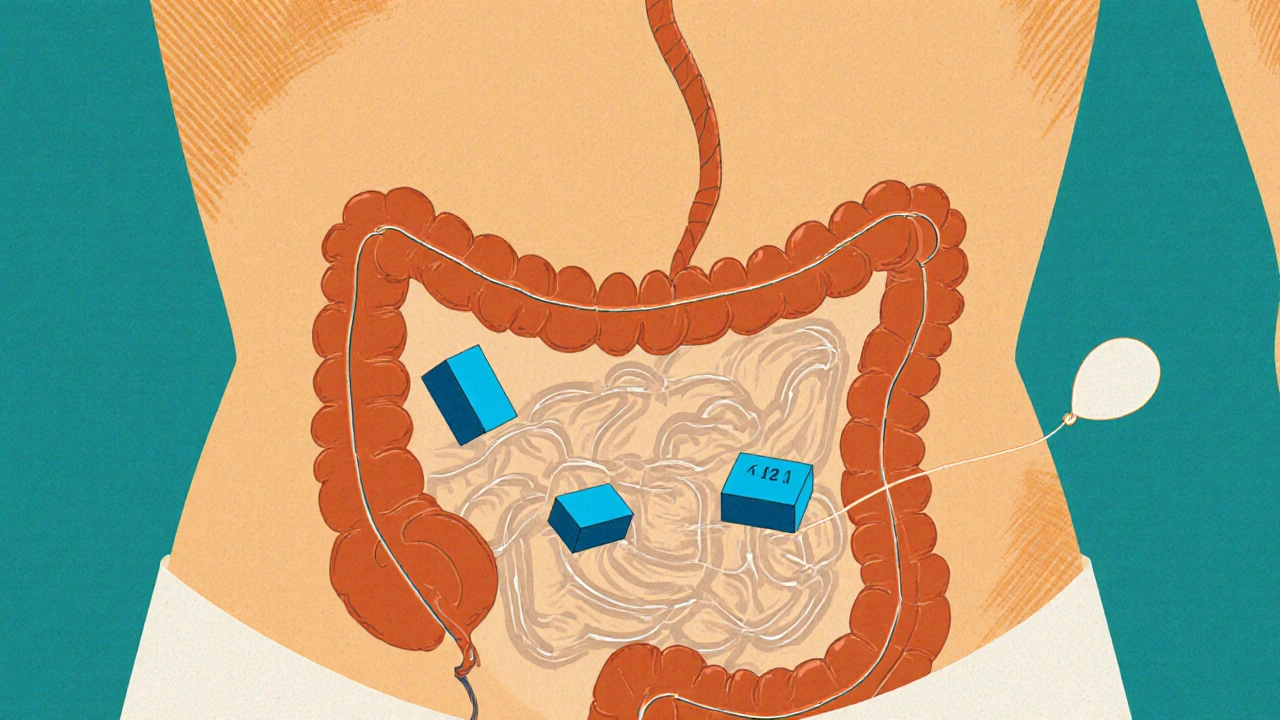
Metformin and Vitamin B12 Deficiency: What You Need to Know About Long-Term Risks
Long-term metformin use can cause vitamin B12 deficiency, leading to nerve damage, fatigue, and brain fog - often mistaken for diabetes complications. Learn who’s at risk, what symptoms to watch for, and how to prevent irreversible harm.
Read More