Adrafinil: What It Is, How It Works, and What You Need to Know
When people look for a boost in focus or alertness without a prescription, adrafinil, a prodrug that converts into modafinil in the liver to promote wakefulness and mental clarity. Also known as CRL-40028, it's often used by students, shift workers, and others needing extended alertness. Unlike modafinil, which is FDA-approved for sleep disorders like narcolepsy, adrafinil isn't regulated as a drug in the U.S.—it's sold as a supplement, which means quality and dosage can vary wildly.
Adrafinil works by stimulating brain areas linked to wakefulness, mainly through increased histamine and orexin activity. But here’s the catch: your liver has to convert it into modafinil first. That extra step puts stress on your liver, especially with regular use. People who take it daily for weeks or months sometimes see elevated liver enzymes—something blood tests can catch early. It’s not a magic pill. It’s a chemical that your body has to process, and that process isn’t risk-free.
Many users compare it to modafinil, a prescription wakefulness agent approved for narcolepsy, shift work sleep disorder, and obstructive sleep apnea. Modafinil is faster, cleaner, and more predictable because it skips the liver conversion step. But adrafinil is often easier to find online without a prescription. That’s why people turn to it—but they often don’t realize how much harder their liver is working. And while some swear by its effects on focus, others report headaches, jitteriness, or even insomnia that lasts into the next day.
It’s also worth noting that adrafinil isn’t the only player in this space. nootropics, a broad category of substances claimed to enhance cognitive function, including memory, creativity, or motivation like L-theanine, caffeine, or even piracetam, are often mixed with or substituted for adrafinil. But none of them are magic. The science behind most is thin, and combining them can lead to unpredictable side effects—especially if you’re already on other meds. For example, mixing adrafinil with stimulants or antidepressants could spike your heart rate or blood pressure dangerously.
There’s no long-term safety data for adrafinil use. Most studies are short-term, done on small groups, and often funded by supplement companies. If you’re thinking about trying it, ask yourself: Are you trying to fix a sleep problem? Manage burnout? Or just keep up with a demanding schedule? The real issue might not be a lack of stimulants—it could be a lack of rest. Adrafinil won’t fix chronic fatigue. It might mask it.
What you’ll find in the posts below aren’t ads or hype. They’re real, practical breakdowns of how substances like adrafinil interact with your body, your meds, and your health. You’ll see how it compares to other wakefulness agents, what the hidden risks are, and how to spot when something’s gone wrong. You’ll also learn about the broader world of cognitive enhancers and why some supplements are riskier than others—even when they’re labeled "natural." This isn’t about chasing a mental edge. It’s about staying safe while you’re trying to get ahead.
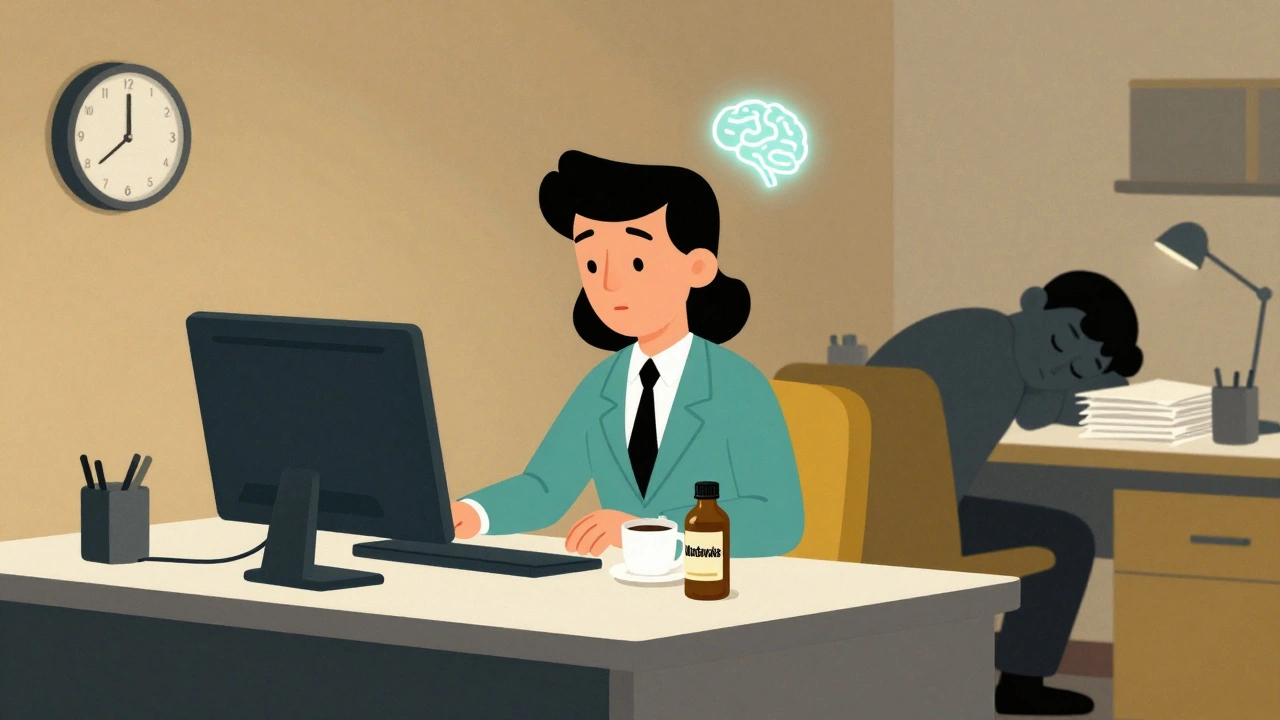
Compare Modawake (Modafinil) with Alternatives: What Works Best for Focus and Wakefulness
Compare Modawake (Modafinil) with armodafinil, adrafinil, pitolisant, and natural alternatives like caffeine and Rhodiola to find the safest, most effective option for focus and wakefulness.
Read More