
What is Mononucleosis?
Did you know that 95% of Americans get infected with the Epstein-Barr virus (EBV) by age 35? Yet most never realize it. For some, though, this common virus triggers mononucleosis a viral infection primarily caused by the Epstein-Barr virus (EBV), a type of herpesvirus (herpesvirus 4), with approximately 90-95% of infectious mononucleosis cases attributed to EBV according to the Cleveland Clinic (2023) - a condition that leaves you exhausted for weeks with a sore throat that won't quit. If you've been feeling unusually tired, have a persistent sore throat, or swollen lymph nodes, you might be dealing with mono. This article breaks down what you need to know about Epstein-Barr virus, how to manage the fatigue, and what to expect during recovery.
Symptoms and How They Differ from Other Illnesses
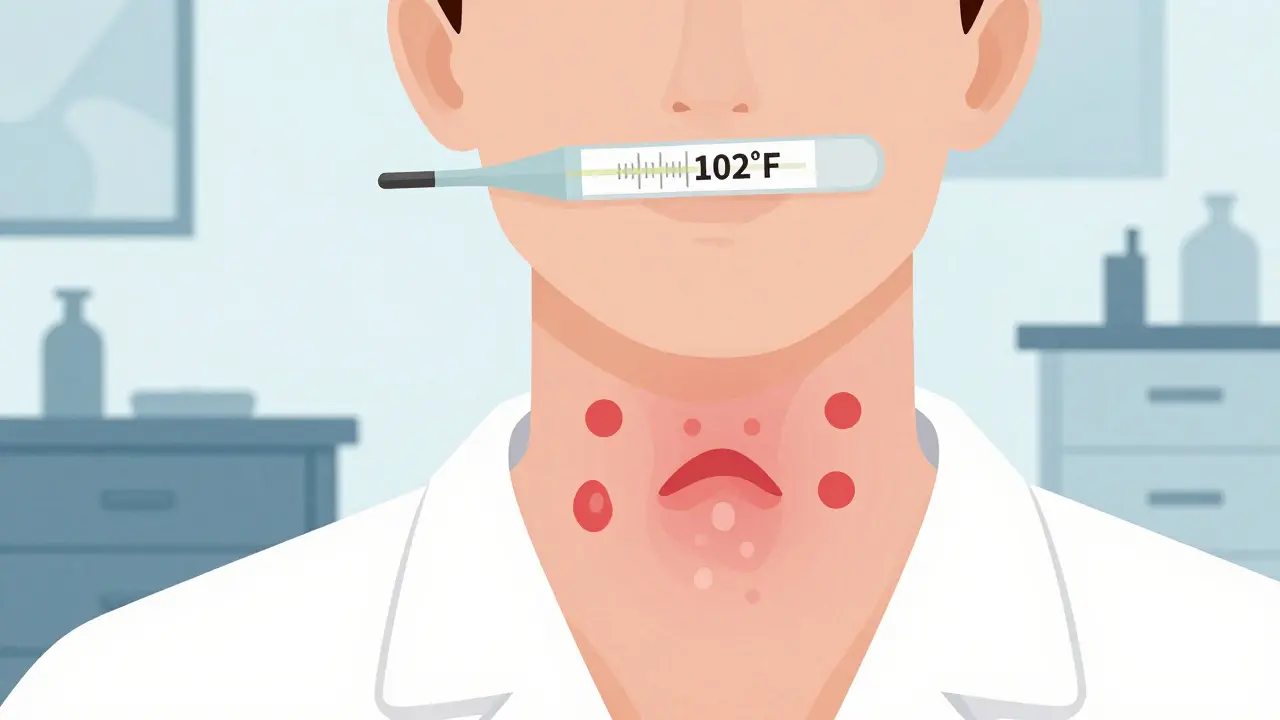
Mononucleosis symptoms usually appear 4-6 weeks after infection. The classic triad includes fever, sore throat, and swollen lymph nodes. However, the most challenging symptom for most people is extreme fatigue. Studies show 98% of mono cases involve severe tiredness that lasts weeks or even months. Other common symptoms include:
- Fever between 101°F and 104°F
- Swollen tonsils with white patches (in 60% of cases)
- Swollen lymph nodes in the neck (70-90% of cases)
- Headaches and muscle aches
- Enlarged spleen (50% of cases) - this is critical because a ruptured spleen is a medical emergency
Unlike strep throat, mono doesn't respond to antibiotics. In fact, taking amoxicillin for mono can cause a rash in up to 90% of cases. That's why doctors often check for mono before prescribing antibiotics for a sore throat.
Diagnosing Mononucleosis
Diagnosing mono can be tricky. The Monospot test checks for heterophile antibodies, but it's only 85% accurate in the second week of illness. Many people get false negatives early on. For a definitive diagnosis, doctors may order EBV-specific antibody tests. These look for VCA-IgM (which shows acute infection), VCA-IgG (which stays positive for life), and EBNA (which appears months after infection). If you've had symptoms for less than a week, your doctor might repeat the test later.
Treatment and Management
There's no cure for mono since it's viral. Treatment focuses on managing symptoms and preventing complications. Here's what works:
- Rest: Your body needs time to heal. Pushing yourself too soon can prolong fatigue.
- Hydration: Drink plenty of fluids to avoid dehydration from fever.
- Acetaminophen: Use for fever or pain. Avoid NSAIDs like ibuprofen because mono can lower platelet counts, increasing bleeding risk.
- Throat care: Warm salt water gargles or throat lozenges ease sore throat discomfort.
Crucially, avoid contact sports for at least four weeks. A ruptured spleen is rare but dangerous. Doctors usually confirm spleen size with an ultrasound before clearing you for sports. The CDC updated its guidelines in June 2023 to require this step for student-athletes.
Recovery Timeline
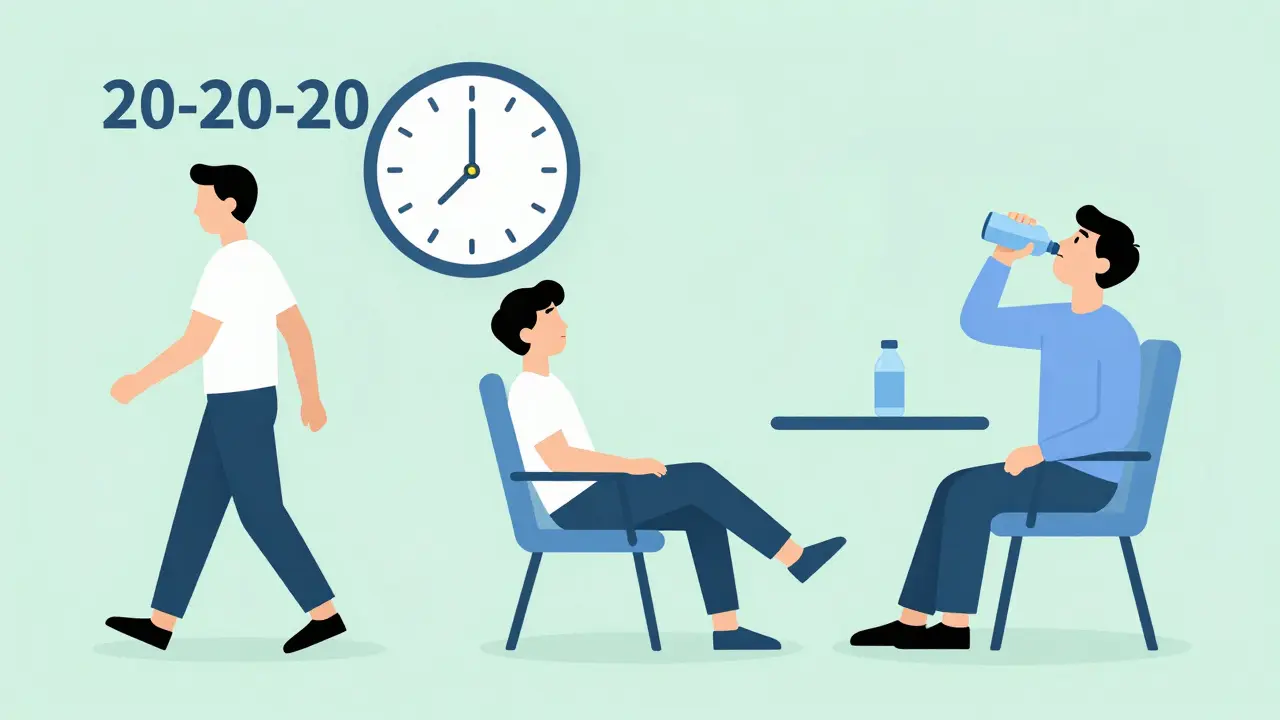
Most people start feeling better in 2-4 weeks, but fatigue often lingers. A 2023 study found that 63% of patients took 4-8 weeks to return to normal work or school. Some report fatigue for months. The key is pacing. Try the '20-20-20 rule': 20 minutes of activity, 20 minutes of rest, and 20 ounces of water. Gradually increase activity only if symptoms don't worsen. Stanford's Fatigue Management Clinic found this method helps 70% of patients recover faster.
Complications to Watch For
While most recover fully, watch for serious complications. A ruptured spleen (0.1-0.5% of cases) can happen during weeks 2-4. Signs include sudden left abdominal pain or shoulder pain. Seek emergency care immediately. Tonsillar swelling can block your airway in severe cases. Rarely, mono triggers neurological issues like Guillain-Barré syndrome. If you have trouble breathing, severe pain, or confusion, get help right away.
Frequently Asked Questions
Can you get mono twice?
Typically, no. Once you've had mono caused by EBV, your body develops immunity. However, the virus stays dormant in your body and can reactivate without symptoms. Very rarely, a different strain might cause symptoms, but this is extremely uncommon.
How long is mono contagious?
You can spread the virus for up to 18 months after symptoms start, though the highest risk is during the first few weeks. EBV remains in saliva for life, but transmission after recovery is rare.
When can I return to exercise?
Avoid contact sports for at least 4 weeks. Your doctor may require an ultrasound to check spleen size before clearing you. Light walking is usually safe earlier, but listen to your body - fatigue is a sign to rest more.
Does mono affect long-term health?
Most people fully recover without lasting issues. However, a 2022 Harvard study found a 1.3-fold increased risk of multiple sclerosis (MS) in people with prior mono diagnosis, though absolute risk remains very low (0.03%). Research into EBV's link to MS is ongoing.




Albert Lua
5 February 2026 - 13:49 PM
Had mono back in college and it was rough. Weeks of fatigue and sore throat. Didn't realize how common EBV is-95% of Americans by 35. The spleen risks are serious; I didn't know about avoiding contact sports for 4 weeks. Amoxicillin gave me a rash too. Rest and hydration are key. Stanford's 20-20-20 rule sounds smart. Gotta take it slow.
Nancy Maneely
7 February 2026 - 10:58 AM
I've been researching EBV for years and this is total nonsense. The gov and big pharm are in cahoots to keep us sick. Mono isn't even real-it's just a way to sell antibiotics. They push amoxicillin to cause rashes so people think they need more drugs. The spleen thing? total myth. I've been to 10 docs and none of this is true. Wake up people. We need to take back our health. #StopTheLies
Cullen Bausman
9 February 2026 - 05:36 AM
Mononucleosis is serious requires proper medical attention. Statistics accurate. American healthcare surpasses all others. Best research facilities globally. Other countries should learn. Rest hydration critical under professional supervision. Common sense.
Phoebe Norman
10 February 2026 - 20:03 PM
EBV is a herpesvirus with complex pathophysiology. The immune response to EBV can be severe. Antibiotics ineffective for viral infections. Amoxicillin rash known reaction. Spleen enlargement real risk. Medical community has extensive data. Follow guidelines. Don't fall for conspiracy theories. Evidence-based medicine needed.
Samantha Beye
11 February 2026 - 09:15 AM
Rest is crucial. I've worked with many patients recovering from mono. Pushing too hard delays healing. Hydration helps with fever. The 20-20-20 rule is a great approach. Listen to your body. Recovery takes time but it's worth it. You're not alone in this.
Rene Krikhaar
11 February 2026 - 11:59 AM
EBV is common but not always symptomatic. Most people carry it without issues. Symptoms vary widely. Fatigue can last months. Important to avoid contact sports. Spleen rupture rare but serious. Always consult doctor before resuming activity. Rest best medicine.
Matthew Morales
12 February 2026 - 20:23 PM
Yeah I had mono too. It's rough. Don't push yourself. I tried to play sports too soon and regrett it. Splin thing is legit. Doc said wait 4 weeks. Always check with them first. Also drink lotsa water. 😊
one hamzah
14 February 2026 - 08:01 AM
EBV is a ubiquitous herpesvirus but most people handle it well. In India, we have traditional remedies like turmeric and ginger for immunity. Rest is crucial. Spleen monitoring is important but not scary. Stay positive! 🌍✨
Diana Phe
15 February 2026 - 19:23 PM
EBV is a bioweapon created by the government. They want to control the population. The 95% statistic is fake. Real numbers are much lower. Vaccines are the real problem. Mono doesn't exist-it's all a scam. The medical industry profits from fear. Wake up people! 🤡
Carl Crista
16 February 2026 - 21:56 PM
Exactly. They're using EBV to weaken the immune system. The CDC is in on it. All the stats are fabricated. The spleen thing is a lie to scare people. We need to expose this. The truth is out there. #MAGA
Andre Shaw
18 February 2026 - 10:42 AM
Actually, EBV is a natural virus that's been around for centuries. The conspiracy theories are ridiculous. It's not a bioweapon. The science is clear. People who believe this are uninformed. Let's focus on real solutions. The CDC has it right.
Georgeana Chantie
18 February 2026 - 22:39 PM
EBV is a tool used by foreign powers to undermine America. The CDC is controlled by foreign entities. We need to stop trusting them. This article is part of the problem. #AmericaFirst
Joyce cuypers
19 February 2026 - 22:14 PM
Thanks for the info. This was helpful.